Job interview outfit ideas for women often start with a simple question: how do I look professional without losing my personal identity? I have spent years analyzing how visual presentation impacts first impressions in the workplace. The truth is that while your skills get you the interview, your presence helps seal the deal. When you walk into a room feeling polished, your confidence spikes, and that energy is contagious to the hiring manager.
Understanding the Three Main Interview Dress Codes
Before picking out your clothes, you need to identify the company’s culture. Wearing a full suit to a creative startup can make you seem stiff, while wearing business casual to a law firm might make you seem underprepared. I categorize these into three distinct levels of formality.
1. Business Formal: The Gold Standard
This is the most conservative approach. It is typical for finance, law, high-level executive roles, and government positions. The goal here is to project authority and reliability.


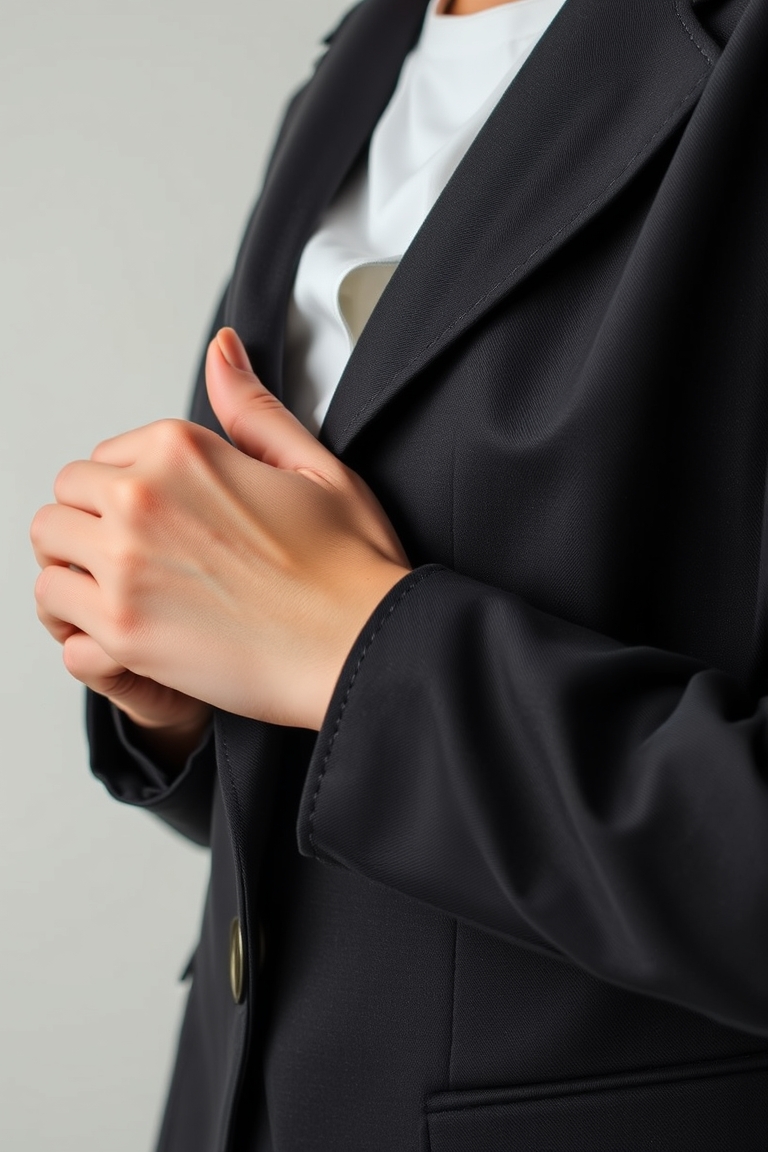
- The Power Suit: A matching blazer and trouser set in navy, charcoal, or black. Ensure the fit is tailored—sleeves should hit just above the wrist bone.
- The Sheath Dress: A structured dress that hits at or below the knee. Pair this with a matching blazer to maintain the formal silhouette.
- Footwear: Closed-toe pumps or polished loafers. Stick to neutral tones like black or nude.
2. Business Casual: The Modern Professional
Most corporate offices today fall into this category. It is a balance between formal and relaxed. You want to look like you belong in the office, but not like you are heading to a courtroom.
- Separates: Instead of a full suit, try a blazer paired with chinos or a pencil skirt.
- Tops: A high-quality silk blouse, a crisp button-down, or a modest knit sweater.
- Bottoms: Tailored trousers in beige, grey, or navy. Avoid denim unless specifically told the office is very casual.
3. Creative or Casual: The Flexible Approach
Tech startups, fashion houses, and creative agencies often have a more relaxed vibe. However, “casual” in an interview context still means “polished.”
- The Smart Mix: A structured blazer over a high-quality white t-shirt and dark-wash denim (no rips).
- Midi Skirts: A pleated midi skirt paired with a tucked-in sweater or a clean blouse.
- Footwear: Clean leather sneakers (if the culture is very casual), pointed-toe flats, or ankle boots.
Detailed Job Interview Outfit Ideas for Women Across Industries
To give you a concrete starting point, I have mapped out specific combinations based on the role you are applying for. These combinations ensure you hit the mark for a professional interview look every time.
For Corporate and Finance Roles
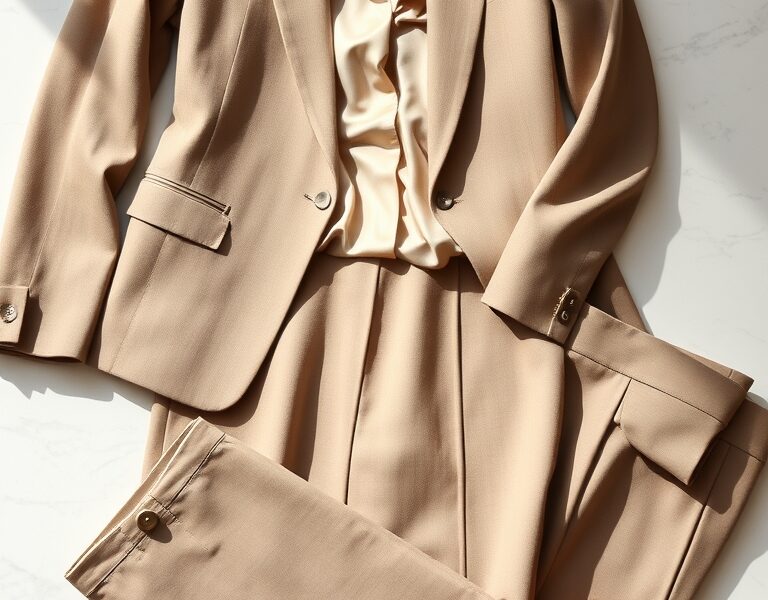
In these sectors, stability and attention to detail are key. Your clothes should reflect that. I recommend a charcoal grey trouser suit paired with a cream silk blouse. The contrast is soft but professional. Avoid overly bright colors that might distract the interviewer from your words. Keep jewelry minimal—think small gold hoops or a simple pendant necklace.
For Healthcare and Administration
For non-clinical interviews in healthcare, you want to look approachable yet organized. A navy blue A-line skirt paired with a white button-down shirt and a light grey cardigan is a great choice. This look is professional but suggests a level of warmth and accessibility.
For Tech and Creative Fields
Here, you can show a bit more personality. I suggest a monochromatic look, such as an oversized beige blazer, a white tee, and wide-leg cream trousers. This shows you understand current trends while remaining sophisticated. If you are interviewing for a design role, a pop of color in your accessories—like a forest green handbag or a bold watch—can signal your creative eye.
For Education and Non-Profit
The goal here is to look trustworthy and capable. A tailored pair of olive or navy chinos paired with a soft blue blouse and a blazer is a safe and effective bet. Avoid anything too flashy; the focus should be on your passion for the mission and your ability to lead.
What to Wear Interview: The Essential Checklist
Beyond the main pieces, the details are what separate a good outfit from a great one. I always tell my clients to run through this checklist the night before the interview.
Fabric and Fit
Avoid fabrics that wrinkle easily. If you are traveling a long distance to the interview, choose a wool-blend or a synthetic mix that holds its shape. Ensure your clothes are steamed or ironed. A wrinkled shirt suggests a lack of attention to detail, which is a red flag for any employer.
The Color Psychology of Interviewing
Colors evoke emotions. While you don’t need to overthink it, some choices are strategically better than others:
- Navy Blue: Conveys trust, confidence, and stability. It is the safest color for any interview.
- Black: Projects authority and power, but can sometimes feel too severe. Soften it with a lighter colored top.
- Grey: Neutral and professional. It suggests you are a team player and sophisticated.
- White: Clean, organized, and honest. Perfect as a base layer.
- Red: Bold and aggressive. Use it sparingly—perhaps in a tie or a small accessory—rather than a full suit.
Accessories and Grooming
Accessories should complement, not compete. Avoid jewelry that makes noise when you move (like clanking bracelets) as it can be distracting. Keep your nails neat—either clear or a neutral polish. Your bag should be structured and large enough to hold a few copies of your resume without folding them.
Common Mistakes to Avoid
I have seen many talented women struggle because their attire sent the wrong message. Here are the most common pitfalls to avoid when selecting your interview outfit women.
Over-Dressing or Under-Dressing
The biggest fear is usually being the most or least dressed person in the room. To avoid this, research the company’s social media. Look at the “About Us” page or LinkedIn profiles of current employees. If everyone is in t-shirts, don’t wear a three-piece suit. If they are in blazers, don’t wear a cardigan. Aim to be one notch more formal than the daily office attire.
Too Much Skin or Too Tight
Regardless of the industry, modesty is generally the safest bet for a first meeting. Avoid plunging necklines, skirts that are too short, or clothing that is overly tight. When you are physically comfortable, you can focus entirely on your answers rather than tugging at a skirt or adjusting a strap.
Distracting Patterns
While a subtle pinstripe or a small polka dot can work, avoid loud, neon, or overly busy prints. You want the interviewer to remember your answers to their questions, not the leopard print of your blazer.
Building a Professional Capsule Wardrobe
You don’t need a closet full of expensive suits to look professional. I recommend building a small capsule of interchangeable pieces that you can mix and match for various interview scenarios. This approach is sustainable and cost-effective.
Start with these five basics:
- A Neutral Blazer: Navy or Black. This instantly transforms any outfit into a professional one.
- Two Classic Bottoms: One pair of tailored black trousers and one neutral-colored pencil skirt or chino.
- Three Versatile Tops: A white button-down, a cream silk blouse, and a high-quality neutral knit top.
- Comfortable Heels or Flats: One pair of black pumps and one pair of pointed-toe flats.
- A Structured Tote: A leather or faux-leather bag in a neutral tone.
By combining these, you can create over a dozen different looks. For example, the blazer with trousers is formal; the blazer with the knit top and chinos is business casual; and the silk blouse with the skirt is a polished feminine look. For more inspiration on building a timeless wardrobe, you can explore professional style guides that emphasize quality over quantity.
The Final Preparation: The “Mirror Test”
Once you have chosen your outfit, do a full dress rehearsal. Put on everything—including the shoes and accessories—and stand in front of a full-length mirror. Sit down in a chair to make sure the skirt doesn’t ride up too high or the blazer doesn’t bunch at the shoulders. Check your back in the mirror to ensure there are no visible stains or loose threads.
If you are still unsure, ask a trusted friend or mentor for their honest opinion. Sometimes we become blind to the small details, like a missing button or a slight misalignment of a collar. According to Wikipedia’s overview of business attire, the standard for professional dress varies globally, but the core principle remains the same: dressing to reflect the expectations of the environment.
FAQ: Mastering Your Interview Attire
What are the best job interview outfit ideas for women in 2024?
The best options currently lean toward “smart-casual” or “modern professional.” A tailored blazer paired with wide-leg trousers and a simple tucked-in blouse is a top choice. It balances traditional professionalism with contemporary style, making it suitable for a wide range of industries.
Are dresses appropriate for job interviews?
Yes, dresses are entirely appropriate as long as they are structured and modest. A sheath dress or a modest A-line dress that hits at the knee is a great choice. I always suggest pairing a dress with a blazer to add a layer of formality and structure to the look.
Can I wear black to a job interview?
Absolutely. Black is a staple of professional wear. However, to avoid looking too somber or severe, I recommend pairing black trousers or a skirt with a lighter-colored top, such as white, soft blue, or blush. This creates a more approachable aesthetic.
What if I don’t own a suit?
You do not need a full suit to look professional. A “coordinated look” works just as well. Pair a structured blazer with tailored trousers or a skirt in a complementary color. As long as the pieces are pressed and fit well, you will achieve a professional interview look.
Should I wear jewelry to an interview?
Yes, but keep it minimal. Simple studs, a classic watch, or a thin necklace are perfect. Avoid large, dangling earrings or chunky bracelets that might clink against the table or distract the interviewer. The goal is for your accessories to be a subtle accent, not the focal point.
Leave a Reply