how to tuck in a shirt stylishly is a question that many fashion‑savvy individuals ask when they want to add a touch of polish to an otherwise casual look. Tucking is more than a mere practical trick; it’s a stylistic statement that can transform a simple tee or blouse into a sophisticated ensemble. This guide will walk you through step‑by‑step instructions, variations like the front tuck and the French tuck, and practical tips to keep your tuck looking effortless.
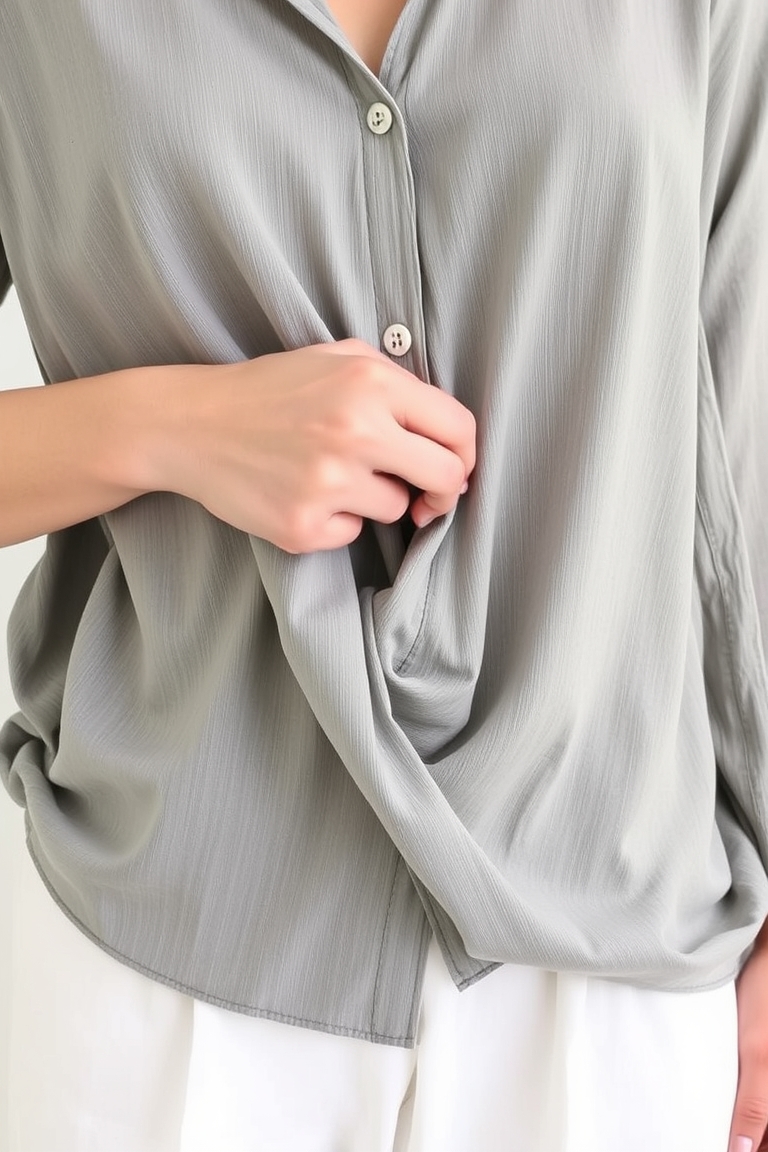
How to Tuck in a Shirt Stylishly: Step‑by‑Step Guide
Before you dive in, keep in mind that the key to a successful tuck is confidence. The way you carry the tuck—whether you let the shirt stay slightly loose or pull it tight—will affect the overall vibe. Below is a basic method that works for most shirts and waistlines.
- Choose the right shirt. A slightly fitted or semi‑fitted shirt works best. Avoid overly loose shirts that will billow when tucked. Light‑weight fabrics like cotton or linen are easier to manage.
- Check the rise of your pants. High‑rise trousers or jeans create a seamless line, while mid‑rise can add a subtle contrast. The shirt’s hem should sit comfortably at or just above the waistband.
- Position the shirt. Place the shirt on the floor so that it hangs in front of you. Smooth out any wrinkles and ensure the collar is aligned with your neck.
- Tuck the sides. Starting at the side nearest you, pull the shirt toward the center of your torso, then tuck it under the waistband. Repeat on the opposite side. This creates a neat, symmetrical look.
- Finish the front. For a classic tuck, pull the front of the shirt up to the waist and secure it with a small safety pin or a belt. For a relaxed front tuck, leave a few inches of fabric hanging—more on that in the next section.
Front Tuck Shirt: A Casual Yet Polished Look
The front tuck shirt is a versatile style that works for both day and night. It’s particularly effective when you want a relaxed vibe without sacrificing structure. Here’s how to master it:


- Start with a fitted top. A V‑neck or crew neck that fits snugly around the bust helps the front tuck look intentional.
- Pull the front to the waist. Instead of a tight tuck, let the front of the shirt sit at the waistline, allowing a slight drape to fall over the hips.
- Secure with a belt. A slim belt can hold the front in place while adding a subtle accent. Choose a belt that matches the color palette of your outfit.
- Adjust the back. If the back of the shirt gathers, tuck it in as you would for a regular tuck. This balances the look.
French Tuck: The Trendy Mid‑Tuck Variation
The French tuck is a popular trend that blends a relaxed front with a neatly tucked back. It’s ideal for warm weather and casual occasions. To execute a French tuck:
- Tuck the back. Pull the back of the shirt up to the waistband and secure it. The front should remain untucked or loosely draped.
- Adjust the front. Let the front hang naturally, creating a subtle contrast that draws attention to the waist.
- Finish with a belt. A thin belt can emphasize the waistline and keep the back tuck in place.
Why the French Tuck Works
The French tuck cuts through the bulk of a long shirt, giving the illusion of a shorter length while maintaining a relaxed aesthetic. It’s especially flattering on taller frames because it creates a defined waist without elongating the torso excessively.
Ways to Tuck a Shirt for Different Body Types
Your body shape can influence the best tuck technique. Below are tailored tips for various silhouettes.
- Apple Shape. Focus on a tighter tuck to create a streamlined silhouette. Use a belt to accentuate the waist.
- Pear Shape. A loose front tuck can balance the lower body. The back tuck should be snug to avoid bulk.
- Hourglass. Both front and back tucks work well. A waist‑defining belt adds to the natural curves.
- Rectangular. A French tuck can add volume to the upper body while keeping the lower half streamlined.
Common Mistakes to Avoid When Tucking
- Over‑tucking. Pulling the shirt too tight can create an unflattering bulge at the waist.
- Ignoring the collar. A collar that sits crookedly can ruin the clean line of the tuck.
- Neglecting the back. Leaving the back untucked while the front is tight can look uneven.
- Using the wrong fabric. Heavy fabrics like denim can be hard to tuck and may look bulky.
Pairing Tucked Shirts with Bottoms
Choosing the right bottoms can elevate your tuck. Consider the following combinations:
- High‑rise jeans. These create a sleek line that enhances the tuck’s neatness.
- Wide‑leg trousers. Pair a tucked blouse with wide‑leg pants for a balanced look.
- Skirts. A high‑waisted skirt paired with a tucked top can look effortlessly chic.
- Shorts. Tucked tees with tailored shorts can give a sporty yet polished vibe.
Seasonal Tips for Tucking Shirts
- Summer. Light cotton or linen shirts tucked into high‑waisted shorts keep you cool while staying stylish.
- Fall. A tucked button‑down over a midi skirt can add a layered look.
- Winter. Tuck a long‑sleeve shirt into trousers and layer a fitted coat for warmth.
How to Tuck in a Shirt Stylishly: Quick Fixes for Busy Mornings
When time is tight, use these hacks:
- Safety pins. A discreet safety pin can secure a quick tuck.
- Elastic waistbands. Tuck the shirt and let the elastic hold it in place.
- Pre‑tucked shirts. Some shirts come with a built‑in tuck. Opt for these when you’re on the go.
Styling an Untucked Shirt with a Belt
If you prefer an untucked look but still want structure, wrap a slim belt around the waist. This creates a defined line without the need for a full tuck.
Choosing the Right Shirt Style for Tucking
Not every shirt is a perfect candidate for a tuck. Consider the following styles:
- Button‑Downs. Classic button‑downs with a tailored fit provide a clean line when tucked. Avoid oversized button‑downs that will billow.
- Blouses with Ruffles or Puff Sleeves. These can add drama. Tuck them carefully, ensuring the ruffles don’t create bulk at the waist.
- Patterned Tops. Stripes or florals can add visual interest. A subtle tuck keeps patterns from overwhelming the silhouette.
- Longline Shirts. For longer shirts, a French tuck or a partial tuck works best to avoid a pile at the hips.
Tuck Techniques for Different Shirt Lengths
Shirt length dictates the tuck style you’ll choose:
- Short Shirts (below the waist). A full tuck is often the most flattering. The shirt’s hem should sit just above the waistband.
- Regular Length (waistline). A French tuck or a relaxed front tuck works well. Keep the front loose for a breezy look.
- Long Shirts (above the hips). A French tuck or a half tuck is recommended. Tuck the back and leave the front draped to avoid bulk.
Tucking with a Belt: Belt Styles and Tips
Belt choice can elevate or ruin a tuck. Here are some guidelines:
- Skinny Leather Belt. Ideal for a sleek, modern aesthetic. Pair it with a minimalist shirt for a high‑contrast look.
- Wide Fabric Belt. Adds a retro vibe. Works well with oversized shirts or wide‑leg trousers.
- Woven or Braided Belt. Offers texture. Use it with casual tees for a laid‑back feel.
- Metallic Belt. Perfect for evening wear. Pair it with a tailored blouse and high‑waisted skirt.
Tucking for Work vs. Casual
Context matters. Here’s how to adjust your tuck for different settings:
- Work. Opt for a neat, full tuck with a slim belt. Pair with tailored trousers or a pencil skirt.
- Casual. A relaxed front tuck or a French tuck works. Pair with jeans or shorts and a lightweight jacket.
- Business Casual. A semi‑tucked front with a subtle belt creates a balanced look.
Tucking for Special Occasions
When dressing for events, consider these tweaks:
- Brunch. A front tuck with a pastel blouse and high‑waisted denim gives a chic vibe.
- Wedding Reception. A full tuck with a silk blouse and a statement belt exudes elegance.
- Holiday Party. A French tuck with a sequined top and a satin belt adds sparkle.
Tucking for Men
Men can also benefit from tucking. The principles are similar:
- Button‑Downs. Tuck into chinos or tailored trousers. Secure with a thin belt.
- Graphic Tees. For a casual look, tuck into high‑rise jeans and pair with a bomber jacket.
- Long Shirts. A French tuck keeps the shirt from pooling at the hips.
Tucking for Travel
Travel often demands comfort and versatility. Here’s how to tuck on the go:
- Pre‑tucked Shirts. Many travel brands offer shirts with built‑in tucks that stay in place.
- Layering. Tuck a lightweight tee under a long cardigan for a layered look that’s easy to adjust.
- Quick Fixes. Keep a safety pin in your bag for last‑minute adjustments.
Troubleshooting Common Problems
- Shirt Gathers at the Waist. Use a small safety pin or a belt to keep it flat.
- Back Bulk. Tuck the back tightly and smooth out with a fabric shaver if needed.
- Shirt Slides Down. Opt for a tighter fit shirt or use a belt with a good grip.
- Visible Zippers or Buttons. Choose shirts with hidden closures or tuck behind a jacket.
Maintaining a Tuck Throughout the Day
Once you’ve tucked, you’ll want to keep it looking fresh. Here are practical maintenance tips:
- Adjust the Belt. Tighten or loosen as needed to maintain shape.
- Check the Collar. A slouching collar can ruin the tuck; gently lift it.
- Use a Fabric Brush. Lightly brush the shirt to remove lint or dust that can create bulk.
- Consider a Tuck‑Friendly Jacket. A blazer with a cinched waist can keep the tuck in place.
When to Avoid Tucking
Some styles and occasions call for an untucked look:
- Loose, Flowing Tops. Tucking a chiffon blouse can create an uneven silhouette.
- Sporty Tees. Tucking a hoodie or oversized sweatshirt can look bulky.
- Casual Fridays. An untucked shirt with a relaxed vibe is often preferred.
Tucking with Accessories
Accessories can complement or enhance a tuck:
- Statement Jewelry. A bold necklace can draw attention to the waist.
- Scarves. A lightweight scarf draped over the shoulders can add dimension.
- Hats. A fedora or beret can balance a tucked look for a chic street style.
FAQs
- How to tuck in a shirt stylishly for a formal event? Use a fitted blouse or a tailored button‑down, tuck it fully, and pair with high‑waisted trousers or a pencil skirt. Add a slim belt or a decorative tie to accentuate the waist. Finish with polished heels and minimal jewelry for a classic look.
- What fabrics are best for tucking? Light cotton, linen, silk, and fine wool are ideal because they drape smoothly and stay in place. Avoid heavy denim, thick flannel, or bulky knits that can bulk up and lose shape.
- Can I tuck a shirt that’s too long? Yes—trim the hem to the desired length or use a safety pin to secure the excess fabric. For a French tuck, tuck the back and leave the front draped; this keeps the shirt from pooling.
- Is a belt necessary for a front tuck? A belt is optional but highly recommended. It keeps the front in place, adds definition, and can serve as a visual accent that ties the outfit together.
- How to maintain a French tuck throughout the day? Secure the back tuck with a small safety pin or a thin belt. Keep the front relaxed, but adjust the belt if the shirt shifts. A lightweight jacket or cardigan can also help keep the tuck in place while adding style.
Expert Insight: The Role of Tucking in Modern Fashion
Fashion historians note that the practice of tucking dates back to the 19th century, where it was both functional and fashionable. Modern designers have reimagined tucking as a statement of confidence and control. For a deeper dive into the evolution of tucking, see the article on Tucking (clothing).
Internal Resources
For more styling tips, see our guide on outfit coordination at FashionValet.net.
Leave a Reply