Introduction
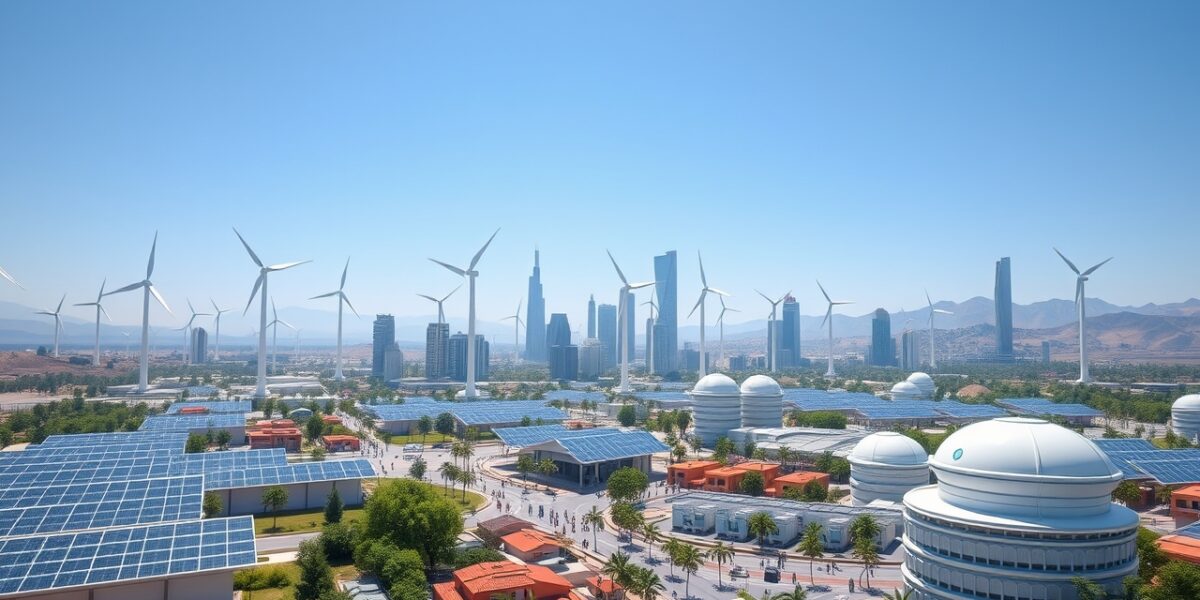
For decades, the world has grappled with the twin challenges of meeting growing energy demand and mitigating climate change. Traditional fossil fuels—coal, oil, and natural gas—have powered industrialization, yet their combustion releases vast amounts of greenhouse gases, driving global warming. In contrast, renewable energy sources—solar, wind, hydro, geothermal, and bioenergy—offer clean, inexhaustible alternatives. Today, the rapid advancement of technology, coupled with ambitious policy frameworks, is propelling renewable energy into the spotlight as the backbone of a resilient, low‑carbon future.
Solar Power: From Photovoltaics to Advanced Materials
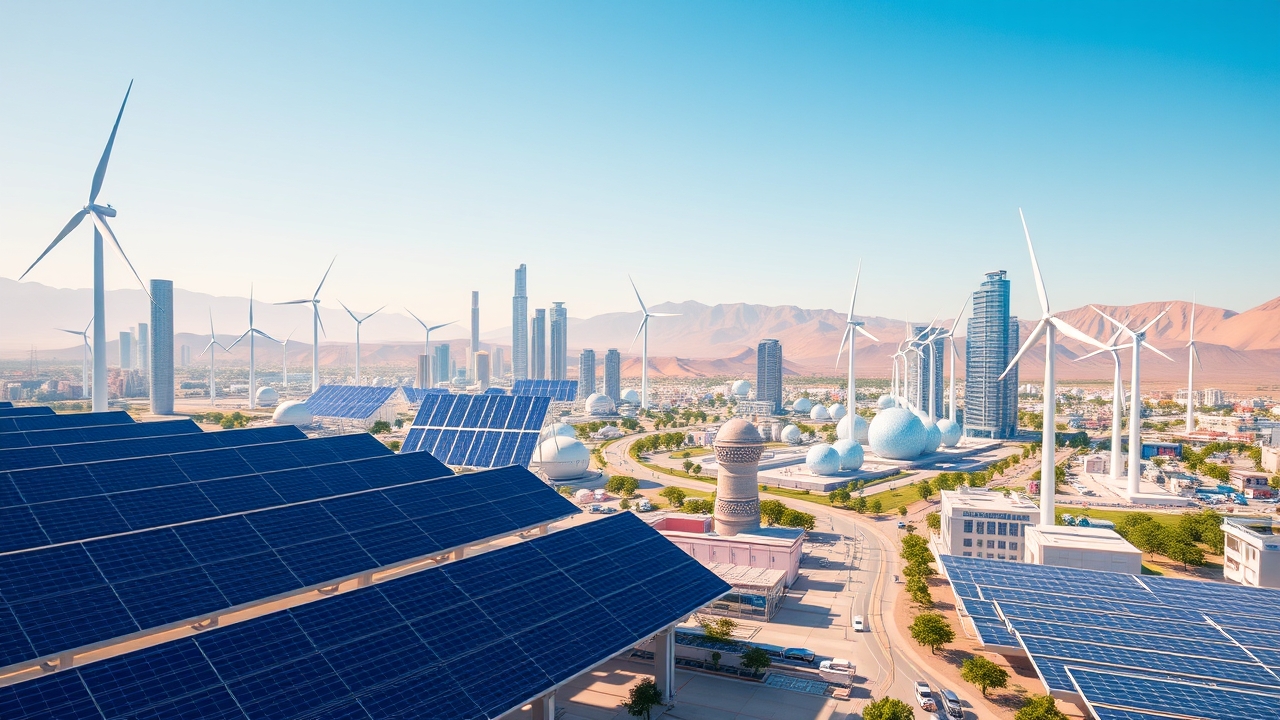
Solar energy has experienced a meteoric rise over the past two decades. The cost of silicon‑based photovoltaic (PV) modules fell from over $10 per watt in 2010 to under $0.30 per watt in 2024, thanks to economies of scale, improved manufacturing processes, and aggressive supply‑chain optimization. This price drop has made solar installations financially viable even in regions with modest sunlight, expanding its reach beyond sunny deserts to temperate zones and urban rooftops.
Beyond conventional silicon cells, researchers are exploring next‑generation materials such as perovskites and tandem cells that combine silicon with high‑efficiency thin‑film layers. Perovskite solar cells, for instance, can achieve laboratory efficiencies exceeding 25% while being manufactured at lower temperatures and with fewer toxic materials. When paired with silicon in a tandem configuration, they promise efficiencies above 30%, pushing the boundaries of what is achievable on a commercial scale.



Large‑scale solar farms are also evolving. Innovations in tracking systems—mechanical and software‑driven—allow panels to follow the sun’s trajectory, increasing energy yield by 15–20%. Meanwhile, floating solar farms, installed on reservoirs and lakes, reduce land competition and capitalize on cooling effects from water bodies, leading to higher efficiency and reduced evaporation.
Wind Energy: Harnessing the Power of the Atmosphere
Wind power has long been a pillar of renewable energy portfolios, with global installed capacity surpassing 800 gigawatts by 2023. Technological breakthroughs in turbine design—larger rotor diameters, lighter blades, and advanced aerodynamic shaping—have enabled turbines to capture more wind energy while reducing noise and visual impact.
Offshore wind has emerged as a game‑changer. With wind speeds 30–50% higher than onshore sites and fewer regulatory hurdles, offshore farms can generate significantly more electricity per turbine. Recent projects in the North Sea and the U.S. East Coast have installed turbines exceeding 12 megawatts each, dwarfing the 3–5 megawatt turbines that dominated earlier offshore deployments.
Floating offshore turbines offer an additional leap forward. By anchoring turbines to the seabed with mooring systems, they can be installed in deeper waters where wind resources are strongest. This technology opens up vast new areas for development, especially around the coasts of Europe and Asia, where deep‑water sites have historically been inaccessible.
Emerging Technologies: Beyond Solar and Wind
While solar and wind dominate the renewable landscape, other technologies are rapidly maturing:
- Hydrogen Economy: Green hydrogen—produced by electrolyzing water using renewable electricity—offers a versatile energy carrier. It can be stored in large quantities, transported across borders, and used in sectors difficult to electrify, such as heavy industry and aviation.
- Advanced Battery Storage: Lithium‑ion batteries continue to improve in energy density and cost. Simultaneously, flow batteries, solid‑state batteries, and metal‑air chemistries are being developed to provide longer duration storage, essential for balancing intermittent renewables.
- Geothermal and Marine Energy: Enhanced geothermal systems (EGS) unlock heat from deep underground reservoirs, while tidal and wave energy converters tap the kinetic energy of ocean currents. Though still in early stages, these technologies hold promise for regions with abundant marine resources.
- Artificial Photosynthesis: Mimicking natural photosynthesis, this approach aims to convert sunlight, CO₂, and water into fuels like methanol or ammonia, providing a carbon‑neutral route to energy storage and transportation.
Challenges to Widespread Adoption
Despite remarkable progress, several hurdles remain:
- Grid Integration: The variable nature of solar and wind requires robust grid management, including demand‑response systems, flexible transmission, and real‑time forecasting.
- Resource Availability: While renewable resources are abundant, their distribution is uneven. Developing countries often lack the infrastructure to harness their potential fully.
- Policy and Regulatory Barriers: Inconsistent policies, tariff structures, and permitting processes can deter investment. Clear, long‑term incentives are essential to maintain investor confidence.
- Environmental and Social Impacts: Large‑scale projects can affect wildlife, local communities, and ecosystems. Comprehensive environmental assessments and stakeholder engagement are critical to mitigate negative outcomes.
Policy and Investment: The Engine of Transformation
Governments worldwide are implementing ambitious renewable targets, often under the umbrella of the Paris Agreement. For example:
- European Union: The European Green Deal aims for 80% renewable electricity by 2030 and net‑zero emissions by 2050.
- China: As the world’s largest solar and wind market, China plans to reach 1.2 gigawatts of offshore wind capacity by 2030.
- United States: The Inflation Reduction Act provides tax credits and subsidies that accelerate renewable deployment across the country.
Private investment has surged, with global renewable energy investment reaching $500 billion in 2023. Public‑private partnerships, green bonds, and climate funds are channeling capital into infrastructure projects, research, and development initiatives. The financial sector is also reorienting risk assessments to factor in climate risk, further incentivizing clean energy adoption.
Global Impact: Economic, Social, and Environmental Benefits
Renewable energy deployment yields multifaceted benefits:
- Job Creation: The renewable sector employs more people per unit of electricity generated than fossil fuels. Solar installation, wind maintenance, and battery manufacturing are creating millions of jobs worldwide.
- Energy Access: Off‑grid solar solutions are powering remote villages in Africa, Asia, and Latin America, reducing reliance on diesel generators and improving health outcomes.
- Carbon Reduction: By 2025, renewable energy is expected to offset nearly 2 gigatons of CO₂ emissions, a critical step toward limiting global temperature rise to 1.5°C.
- Economic Resilience: Diversifying energy sources reduces exposure to fossil fuel price volatility and geopolitical tensions.
Future Outlook: 2030, 2040, and Beyond
Looking ahead, several trends are likely to shape the renewable energy trajectory:
- Massive Scale‑Up: By 2030, global renewable capacity could exceed 10 terawatts, driven by aggressive policy targets and falling costs.
- Digitalization: Smart grids, AI‑driven forecasting, and blockchain-based energy trading will enhance efficiency and consumer participation.
- Energy Storage Revolution: Battery costs are projected to drop below $100 per kilowatt‑hour by 2035, enabling large‑scale grid storage and vehicle‑to‑grid integration.
- Integrated Energy Systems: Coupling electricity, heat, and transportation networks will create synergistic efficiencies, reducing overall emissions.
Conclusion
The renewable energy revolution is not a distant promise; it is an unfolding reality reshaping how we generate, distribute, and consume power. Solar and wind technologies have matured to the point of mainstream viability, while emerging innovations promise to fill remaining gaps. Overcoming integration challenges, securing supportive policies, and fostering global collaboration will be essential to fully realize the potential of a clean energy future. As nations, businesses, and individuals align around this shared vision, renewable energy will continue to drive economic growth, improve quality of life, and safeguard our planet for generations to come.
For further reading, see related references on Wikipedia.
Leave a Reply