Tag: Guide

  • Best Sunglasses for Your Face Shape: Expert Guide to the Perfect Fit

    Best Sunglasses for Your Face Shape: Expert Guide to the Perfect Fit

    Finding the perfect pair of sunglasses is about more than just picking a trendy brand or a sleek color. It is a subtle science of geometry and balance. When you choose a frame that complements your natural bone structure, you don’t just look better—you feel more confident, and the eyewear performs its functional role more effectively.

    Most people struggle with sunglasses because they focus solely on the frame’s design rather than how that design interacts with their facial features. In this guide, we will break down the professional methods for identifying your face shape and matching it with frames that create visual harmony and superior comfort.

    How to Identify Your Face Shape

    Before you can find the right frames, you need to understand the canvas you are working with. To identify your face shape, stand in front of a mirror, pull your hair back, and look at the proportions of your forehead, cheekbones, and jawline.

    • Oval: Your face is longer than it is wide, with a slightly curved jawline and a forehead that is just a bit wider than your chin.
    • Round: Your face has soft curves and few angles. The width and length are roughly equal, with full cheeks and a rounded chin.
    • Square: You have a strong, prominent jawline and a broad forehead. The width of your forehead, cheeks, and jaw are nearly identical.
    • Heart: Your face is widest at the forehead and tapers down to a narrow, pointed chin.
    • Diamond: You have a narrow forehead and jawline, with wide, high cheekbones that are the widest part of your face.

    The Best Sunglasses for Every Face Shape

    The golden rule of eyewear is contrast. If you have a rounded face, you want angular frames. If you have an angular face, you want softer, rounded frames. Here is the expert breakdown of which styles work best for each category.

    Oval Face Shape: The Versatile Balanced Look

    If you have an oval face, you are in luck. Because your proportions are naturally balanced, almost any frame style will suit you. However, to maintain that balance, look for frames that are as wide as (or slightly wider than) the broadest part of your face.

    Top Picks: Aviators, Wayfarers, and oversized rectangular frames. Avoid frames that are so large they disrupt the natural symmetry of your features.

    Round Face Shape: Adding Definition and Length

    The goal for round faces is to add structure and make the face appear longer and thinner. You want to avoid rounded frames, which will emphasize the roundness of your features. Instead, look for sharp lines and deep angles.

    Top Picks: Rectangular frames, Wayfarers, and geometric shapes. These create a “lifted” appearance and provide the contrast needed to define your cheekbones.

    Square Face Shape: Softening the Angles

    A square face is defined by its strength. To complement a strong jawline and broad forehead, you should choose frames that sit high on the bridge of the nose and have rounded edges. This softens the bold features of the face.

    Top Picks: Round frames, Oval frames, and Aviators. Cat-eye frames are also an excellent choice as they draw the eye upward and add a touch of softness.

    Heart Face Shape: Balancing the Chin

    Heart-shaped faces are widest at the top and narrowest at the bottom. The goal is to minimize the width of the top of the face and add “weight” to the bottom to balance the narrow chin. Light-colored frames or frames with thin temples work best.

    Top Picks: Bottom-heavy frames, Clubmasters (browline), and frames with rounded bases. Avoid styles that are overly top-heavy or have too many embellishments on the brow.

    Diamond Face Shape: Highlighting the Eyes

    Diamond faces are rare and characterized by dramatic cheekbones. The objective here is to highlight the eyes and soften the cheekbones. You want frames that stay within the width of your cheekbones rather than extending past them.

    Top Picks: Oval frames, rimless styles, and browline (Clubmaster) frames. These styles help balance the narrow forehead and jaw.

    Quick Reference Guide: Face Shape vs. Frame Style

    Face Shape Primary Goal Recommended Styles
    Oval Maintain Balance Wayfarer, Aviator, Rectangular
    Round Add Definition Square, Geometric, Rectangle
    Square Soften Angles Round, Aviator, Cat-Eye
    Heart Balance the Chin Clubmaster, Bottom-Heavy, Round
    Diamond Highlight Eyes Rimless, Oval, Browline

    Key Factors Beyond Shape: Comfort and Protection

    While aesthetics are important, the “perfect fit” also involves technical specifications. Expert shoppers look at the following three criteria to ensure their sunglasses are high-quality and comfortable for all-day wear.

    1. Bridge Fit and Nose Pads

    If the sunglasses slide down your nose, the bridge is too wide. If they pinch or sit too high, it is too narrow. If you have a flatter nose bridge, look for “Universal Fit” or “Asian Fit” frames, which feature larger nose pads to keep the glasses in place.

    2. Temple Length and Width

    The arms of the sunglasses (temples) should fit snugly but comfortably around your ears. If the frames are too tight, they can cause headaches; if they are too loose, they will wobble. A proper fit ensures the center of the lens aligns perfectly with your pupils.

    3. Lens Quality and UV Protection

    Expertise in eyewear means prioritizing eye health. Always ensure your lenses offer 100% UV400 protection. Polarized lenses are a great addition for reducing glare from water or roads, though they are not strictly necessary for UV protection.

    Pros and Cons of Following Face Shape Rules

    Understanding the standard guidelines helps you make an informed choice, but personal style always plays a role. Here is a look at the benefits and drawbacks of strictly following face shape guides.

    Pros

    • Efficient Shopping: Narrowing down styles based on your shape saves time and reduces “buyer’s remorse.”
    • Photogenic Results: Properly fitted frames balance your proportions, making you look better in photos.
    • Enhanced Comfort: Frames meant for your face shape are more likely to distribute weight evenly across the nose and ears.

    Cons

    • Limits Creativity: Strict adherence might prevent you from trying “rule-breaking” fashion-forward trends.
    • Subjectivity: Face shapes aren’t always perfectly categorized; many people are a “hybrid” of two shapes.
    • Trend Conflicts: Sometimes the most popular trends (like tiny 90s frames) don’t align with traditional fit guidelines.

    Frequently Asked Questions

    Can I wear round sunglasses if I have a round face?

    While generally not recommended because they can make the face look rounder, you can pull them off if you choose an “oversized” round style with thick frames that provide some visual separation, or if you intentionally want a soft, bohemian look.

    How do I know if my sunglasses are too big?

    If your eyelashes touch the lenses, or if the frames cover your eyebrows entirely, they are likely too large. Additionally, if the frames extend significantly past the widest part of your face, they may look disproportionate.

    Does hair color or skin tone matter when choosing frames?

    Yes. While face shape determines the form, your skin’s undertone (cool vs. warm) should determine the color. Cool undertones look best in silver, black, and blue frames, while warm undertones thrive in gold, tortoise shell, and earthy greens.

    What is the “Bridge Measurement” on the inside of the frame?

    Most sunglasses have three numbers printed on the inside of the temple (e.g., 52-18-140). The middle number is the bridge width in millimeters. Knowing your ideal bridge width is the secret to finding frames that never slide down your face.

    Are expensive sunglasses better for my face shape?

    Price does not dictate fit, but it often dictates material quality. Higher-end frames are usually made of acetate or high-grade metals that can be professionally adjusted by an optician to fit your face shape perfectly, whereas cheap plastic frames may snap if bent.


    Topic: Best sunglasses for face shape guide
    Tags: #Sunglasses #Face #Shape #Expert #Guide #Perfect #Fit

  • The Ultimate Boho Chic Festival Style Guide: 10 Must-Have Essentials

    The Ultimate Boho Chic Festival Style Guide: 10 Must-Have Essentials

    Festival season is more than just a lineup of incredible music; it is a cultural movement where fashion serves as the ultimate form of self-expression. Among the myriad of styles that grace the fields of Coachella, Glastonbury, and Tomorrowland, none remains as iconic or enduring as Boho Chic. Rooted in 1970s nostalgia, bohemian fashion blends effortless comfort with artistic flair, prioritizing flowy silhouettes, earthy tones, and intricate textures.

    However, dressing for a festival requires a strategic balance between aesthetic and utility. You aren’t just looking for an outfit; you are looking for an ensemble that can withstand 12 hours of dancing, unpredictable weather, and dusty terrains. This guide breaks down the ten essential elements you need to master the modern boho festival look while remaining practical and comfortable.

    1. The Flowing Maxi Dress or Skirt

    The cornerstone of any bohemian wardrobe is the maxi silhouette. Whether it’s a tiered floral dress or a high-waisted patterned skirt, the goal is movement. Look for breathable fabrics like organic cotton, rayon, or linen to ensure you stay cool under the sun.

    Pro Tip: If you choose a long skirt, ensure it hits just above the ankle. This prevents the hem from dragging in the mud or becoming a tripping hazard during late-night sets.

    2. Crochet and Lace Textures

    Nothing screams “Boho” quite like the artisanal feel of crochet. From intricate halter tops to sheer duster coats, these textures add a three-dimensional element to your outfit. Crochet is particularly effective for festivals because the open-knit design allows for maximum airflow.

    3. Western-Inspired Ankle Boots

    While sandals might seem like the natural choice, experienced festival-goers know that closed-toe shoes are non-negotiable. A pair of worn-in suede or leather ankle boots (often called “Western” or “Cowboy” boots) protects your feet from being stepped on in crowds and keeps them dry if the ground gets damp. They provide much better arch support than flat flip-flops for long days on your feet.

    4. The Statement Kimono or Fringe Cape

    Layering is the secret to a successful festival outfit. As the temperature drops in the evening, a lightweight kimono or a fringed suede cape provides warmth without stifling your style. Look for bold botanical prints, embroidery, or long tassels that catch the wind when you move.

    5. Distressed Denim Cut-offs

    If a maxi dress feels too restrictive, high-waisted denim shorts are the perfect alternative. They serve as a neutral base for more eccentric tops and accessories. To keep it boho, look for “lived-in” details like frayed edges, light washes, and vintage-inspired fits.

    6. Wide-Brimmed Felt or Straw Hats

    A hat is both a stylistic choice and a functional necessity. A wide-brimmed felt hat adds an instant “rockstar” edge to your look, while a straw boater or fedora leans into the rustic, earthy side of boho. Beyond the aesthetic, it protects your face from UV rays and hides “day three” festival hair.

    7. Layered Statement Jewelry

    Boho chic is about abundance. Instead of one delicate piece, opt for layers of turquoise, hammered silver, and beaded necklaces. Don’t be afraid to mix metals or stack rings. Focus on pieces that feel “found”—items that look like they could have been picked up at a vintage market in Marrakech or a seaside stall in Ibiza.

    8. The Fringed Crossbody Bag

    Practicality meets style with the crossbody bag. You need something to hold your essentials—phone, portable charger, sunscreen—while leaving your hands free for dancing. A leather or faux-suede bag with fringe detailing integrates perfectly with the bohemian aesthetic while remaining secure against your body.

    9. Retro-Inspired Sunglasses

    Complete your look with eyewear that nods to the past. Round “Lennon-style” frames or oversized 70s aviators with tinted lenses (think rose, amber, or blue) are the gold standard for boho chic. They add a psychedelic touch while protecting your eyes from the glare of the stage lights.

    10. The Utility Belt or Fanny Pack

    For those who prefer a more streamlined silhouette, the modern “utility belt” or leather fanny pack is a lifesaver. Look for embossed leather or brass buckle details to keep it within the boho theme. It’s the most secure way to carry valuables in high-density crowds.

    Choosing the Right Materials for Comfort

    When selecting your essentials, the fabric choice can make or break your experience. Use the table below to help you decide which materials to pack.

    Fabric Type Pros Best For
    Cotton / Linen Breathable, natural, keeps you cool. Maxi dresses, tops, and headbands.
    Suede / Leather Durable, protects against wind/rain. Boots, belts, and bags.
    Rayon / Viscose Lightweight, drapes beautifully. Kimonos and flowy skirts.
    Denim Extremely durable, easy to clean. Shorts and jackets.

    Pros and Cons of the Boho Chic Style

    Every fashion choice involves trade-offs. While the boho look is iconic, it’s important to weigh the practicalities before heading to the festival grounds.

    Pros

    • Versatility: Most boho pieces can be mixed and matched easily, allowing you to pack light.
    • Photogenic: The textures and layers look incredible in photos and movement.
    • Timelessness: Unlike “fast fashion” trends, boho chic rarely goes out of style, meaning you can wear these pieces year after year.
    • Comfort: The loose, flowy nature of the clothing allows for better circulation and ease of movement.

    Cons

    • Maintenance: Long skirts and fringes can easily get dirty or tangled in muddy conditions.
    • Bulk: Some accessories, like wide-brimmed hats and heavy jewelry, can be cumbersome to carry or store when not in use.
    • Delicate Fabrics: Crochet and lace are prone to snagging on fences or in large crowds.

    Frequently Asked Questions

    How can I make my boho outfit look more modern?

    To avoid looking like you’re wearing a costume, mix one or two “vintage” boho pieces with contemporary items. For example, pair a highly textured crochet top with modern, clean-lined denim shorts or sleek, modern combat boots instead of traditional cowboy boots.

    What should I wear if it rains at a festival?

    The biggest enemy of boho style is mud. If rain is in the forecast, swap your suede boots for high-quality rubber rain boots and layer a clear or earth-toned waterproof poncho over your outfit. Avoid long maxi skirts that will soak up water; opt for denim shorts or a mini dress instead.

    Is boho chic cultural appropriation?

    Boho chic is a Western fashion style inspired by 1960s and 70s counterculture. However, it often incorporates elements from various cultures, such as Native American patterns or Indian embroidery. To be respectful, avoid wearing sacred items like headdresses or religious symbols as “costumes.” Focus on textures, silhouettes, and artisanal craftsmanship instead.

    How do I pack jewelry so it doesn’t tangle?

    A great tip for festival-goers is to thread necklaces through a reusable drinking straw before packing them. This prevents thin chains from knotting during travel, ensuring your accessories are ready to wear as soon as you arrive at the campsite.

    Can I pull off the boho look if I’m on a budget?

    Absolutely. Boho chic is one of the easiest styles to achieve through thrifting. Look for vintage scarves, oversized belts, and denim at local secondhand stores. The “worn-in” look is actually preferred, so pre-loved items often look better than brand-new ones.


    Topic: Boho chic style essentials for festivals
    Tags: #Ultimate #Boho #Chic #Festival #Style #Guide #MustHave #Essentials

  • Mastering Dark Academia Style: The Ultimate Aesthetic Outfit Guide

    Mastering Dark Academia Style: The Ultimate Aesthetic Outfit Guide

    Dark Academia is more than just a passing fashion trend; it is a visual celebration of the pursuit of knowledge, the romance of literature, and the moody atmosphere of historic university halls. Drawing inspiration from 19th-century prep school attire, Greek tragedy, and Gothic architecture, this aesthetic has transformed from a niche internet subculture into a mainstay of modern personal style.

    Mastering this look requires a balance between vintage sophistication and a “studied” nonchalance. Whether you are browsing a dusty library or sipping espresso in a dim-lit café, the key is to look as though you’ve just stepped out of a secret society meeting in a mid-century Oxford college.

    The Core Philosophy of Dark Academia Fashion

    Before diving into specific garments, it is essential to understand the “why” behind the style. Dark Academia emphasizes intellectualism, nostalgia, and a touch of existential melancholy. Unlike its sister aesthetic, Light Academia—which focuses on cream tones and breezy positivity—Dark Academia is rooted in darker color palettes and heavier, more structured fabrics.

    To embody this style authentically, focus on these three pillars:

    • Timelessness: Avoid fast-fashion silhouettes. Look for pieces that could have been worn in the 1940s or the 1990s.
    • Texture: Use tactile fabrics like wool, corduroy, tweed, and silk to add depth to your outfits.
    • Intellectual Detail: Small touches like fountain pens, vintage watches, and leather-bound journals complete the narrative.

    The Dark Academia Color Palette

    The palette is intentionally somber and earthy. The goal is to mimic the colors found in an old-growth forest or a mahogany-paneled study. Avoid bright neons or primary colors.

    Category Primary Colors Accent Colors
    Earth Tones Chocolate Brown, Espresso, Forest Green Olive, Ochre, Rust
    Monochrome Charcoal, Slate Gray, Jet Black Cream, Ivory (for contrast)
    Jewel Tones Burgundy, Oxblood, Navy Blue Deep Plum, Emerald

    Essential Wardrobe Staples

    Building a Dark Academia wardrobe is an exercise in curation. Rather than buying a high volume of clothes, focus on high-quality staples that can be layered interchangeably.

    Outerwear and Blazers

    Outerwear is perhaps the most defining element of the aesthetic. A well-tailored tweed blazer is non-negotiable. Look for patterns like herringbone, houndstooth, or Glen plaid. For colder months, a long wool overcoat or a classic trench coat in tan or black provides the necessary silhouette of mystery and authority.

    Tops and Knitwear

    Layering is the secret to a successful look. Start with a crisp white button-down shirt or a Peter Pan collar blouse. Over this, layer a cable-knit sweater vest or a turtleneck in a dark neutral. Turtlenecks are particularly effective as they provide a sleek, intellectual silhouette that works well under blazers.

    Bottoms: Trousers and Skirts

    For trousers, lean toward high-waisted wool slacks or corduroy pants with a slight taper or a wide-leg cut. If you prefer skirts, pleated plaid skirts (mid-thigh to knee-length) are the quintessential choice. Avoid mini-skirts that feel too “trendy”; the goal is a modest, vintage-academic appeal.

    Footwear

    Your choice of shoes should be practical yet polished. Dr. Martens or chunky Oxford shoes provide a grounded, slightly rebellious edge. For a more formal look, brogues or loafers (with or without tassels) are the gold standard. Always pair them with visible socks—either white for a preppy contrast or dark wool for a seamless look.

    How to Layer Like a Scholar

    Layering is where Dark Academia truly shines. It allows for visual complexity and practical temperature control. A classic layering formula involves:

    1. Base Layer: A fitted turtleneck or a collared shirt.
    2. Mid Layer: A sweater vest or a button-up cardigan.
    3. Top Layer: An oversized blazer or a structured coat.
    4. Accessories: A long wool scarf or a leather satchel.

    The “lived-in” look is important. Don’t be afraid if your clothes have a few wrinkles or if your blazer looks slightly oversized; it adds to the “distracted genius” vibe.

    Accessorizing the Aesthetic

    Accessories serve as the “exclamation point” of your outfit. They should look like heirlooms passed down through generations. Consider adding:

    • Eyewear: Round, wire-rimmed glasses (even if they are blue-light blockers) immediately evoke a scholarly persona.
    • Bags: Swap backpacks for leather satchels or messenger bags.
    • Jewelry: Keep it minimal. Think vintage signet rings, lockets, or a simple leather-strap watch.
    • Hair Care: Soft waves, loose buns held by velvet ribbons, or slightly tousled “bedhead” styles work best.

    Pros and Cons of the Dark Academia Style

    Pros

    • Timeless Appeal: Unlike fast-fashion trends, these pieces rarely go out of style.
    • Professionalism: Many Dark Academia outfits are appropriate for work, university, or formal events.
    • Sustainability: The aesthetic heavily encourages thrifting and buying high-quality vintage items.
    • Versatility: Most pieces are neutrals that can be easily mixed and matched.

    Cons

    • Maintenance: Natural fibers like wool and silk often require dry cleaning or careful hand-washing.
    • Climate Restrictions: Heavy layers and wool can be uncomfortable in tropical or high-heat climates.
    • Cost: High-quality staple pieces (like a 100% wool coat) can be an expensive initial investment.

    Thrifting Your Way to an Authentic Look

    One of the most rewarding aspects of Dark Academia is that it is inherently budget-friendly if you shop second-hand. Fast fashion often fails to replicate the weight and drape of vintage garments. To find the best pieces, search thrift stores for labels like “Harris Tweed,” “Pendleton,” or “Pure New Wool.” Look in the men’s section for oversized blazers and sweater vests, which often provide a more authentic “academic” fit for any gender.

    Frequently Asked Questions

    Is Dark Academia only for cold weather?

    While the aesthetic favors autumn and winter, you can adapt it for summer by choosing lighter fabrics. Swap wool for linen trousers, wear short-sleeved button-downs, and opt for lighter cotton vests while maintaining the dark, moody color palette.

    Do I have to be a student to wear this style?

    Absolutely not. Dark Academia is a fashion choice and a lifestyle aesthetic centered on the love of learning. It is embraced by people of all ages who appreciate classic tailoring and a literary atmosphere.

    How can I make Dark Academia look more modern?

    To modernize the look, mix one “academic” piece with a contemporary staple. For example, pair a vintage tweed blazer with black straight-leg denim and modern leather boots. This breaks up the “costume” feel while retaining the core vibe.

    Is the aesthetic elitist?

    While the origins of the look are tied to elite institutions, the modern community is very inclusive. The focus has shifted from the “prestige” of the school to the “passion” for the subject matter. Thrifting also makes the style accessible to various socioeconomic backgrounds.

    What are some essential books or movies for style inspiration?

    For visual inspiration, look toward films like Dead Poets Society, The Secret History (novel), Kill Your Darlings, and Maurice. These works perfectly capture the sartorial essence of the movement.


    Topic: Dark academia aesthetic outfit guide
    Tags: #Mastering #Dark #Academia #Style #Ultimate #Aesthetic #Outfit #Guide

  • How to Wear Ankle Boots with Jeans: The Ultimate Expert Style Guide

    How to Wear Ankle Boots with Jeans: The Ultimate Expert Style Guide

    The pairing of ankle boots and jeans is arguably the most hardworking combination in any modern wardrobe. It is a style staple that transcends seasons, moving effortlessly from a casual brunch to a sophisticated evening out. However, despite its versatility, achieving the perfect silhouette often feels like a balancing act. The “wrong” hemline or a mismatched boot shaft can quickly make an outfit look truncated or unbalanced.

    Mastering this look requires an understanding of proportions, hemlines, and the subtle interplay between the boot’s hardware and the denim’s wash. In this expert guide, we will break down exactly how to style every type of jean with your favorite booties to ensure a polished, intentional finish every time.

    Understanding the Basics: Shaft Height and Toe Shape

    Before diving into specific denim cuts, it is essential to understand the anatomy of the ankle boot. The two most critical factors in styling are the shaft height (how high the boot goes up your leg) and the toe shape.

    The Shaft Height

    Low-shaft boots (hitting just below the ankle bone) are easiest to pair with skinny or cropped jeans. High-shaft boots (reaching 2–3 inches above the ankle) are designed to sit under the hem of wider-leg jeans or to be tucked into skinny jeans for a seamless line.

    The Toe Shape

    • Pointed Toe: Elongates the leg; perfect for wide-leg or flared jeans.
    • Round Toe: Offers a casual, classic vibe; best for straight-leg or boyfriend jeans.
    • Square Toe: Provides a modern, architectural feel; pairs well with cropped silhouettes.

    How to Style Ankle Boots by Jean Silhouette

    The “secret sauce” to styling jeans with ankle boots lies in how the hem of the denim meets the top of the boot. Here is how to handle the most popular denim cuts.

    1. Straight-Leg Jeans

    Straight-leg jeans are the current gold standard of denim. To style them with ankle boots, the goal is to avoid “bunching” at the ankle. If your jeans are full-length, look for a boot with a slim shaft that can sit under the denim. If the jeans are cropped, ensure there is about an inch of skin showing between the boot and the hem to create a clear visual break.

    2. Skinny Jeans

    While trends shift, skinny jeans remain a functional favorite. You have three main options here:

    • The Tuck: If your boots have a wider opening (like Western boots), tuck the jeans in. Ensure the jeans are tight enough to avoid “ballooning” above the boot.
    • The Single Cuff: A thick, 2-inch cuff works beautifully with flat Chelsea boots.
    • The Double Roll: A small, neat double roll that sits just above the top of the boot is the most traditional “street style” look.

    3. Wide-Leg and Flared Jeans

    With wider silhouettes, the boot should almost always sit hidden under the hem. The key here is the length of the denim; the hem should ideally fall about half an inch off the ground. Pointed-toe ankle boots are the best choice here, as they peek out from under the volume of the fabric, preventing the outfit from looking “heavy.”

    4. Mom Jeans and Boyfriend Jeans

    Because these cuts have a more relaxed, tapered fit, they look best with a messy, “undone” cuff. Avoid tucking these into boots. Instead, roll the hem twice to expose the ankle, and pair them with a more rugged boot, such as a lace-up combat boot or a chunky lug-sole Chelsea.

    The “Golden Rule” of Proportions: The Ankle Gap

    If you are ever in doubt, follow the One-Inch Rule. Having approximately one inch of space between the top of your boot and the bottom of your jean hem is the most universally flattering look. This “flash of skin” (or sock, if it’s cold) breaks up the vertical line of the leg, preventing you from looking swallowed by your clothes and highlighting the narrowest part of your leg.

    Ankle Boot & Denim Matchmaker Table

    Use this quick-reference table to find the best boot style for your preferred denim cut.

    Jean Style Recommended Boot Style Pro Styling Tip
    Cropped Straight Sock Boots (Tight shaft) Ensure the boot shaft goes up under the hem.
    Classic Skinny Chelsea Boots Use a small cuff to show a sliver of ankle.
    Wide-Leg Pointed-Toe Heeled Boot Ensure the hem covers most of the boot.
    Boyfriend/Relaxed Combat or Lug-Sole Boots Double-roll the hem for a rugged look.
    Flared Platform Ankle Boots The extra height prevents the hem from dragging.

    Pros and Cons of Wearing Ankle Boots with Jeans

    Every style choice comes with trade-offs. Understanding these can help you decide which look is right for your specific body type or occasion.

    Pros

    • Versatility: It is one of the few combinations that works for 90% of social occasions.
    • Seasonality: With the right socks or heat-tech leggings, this look works from early autumn through late spring.
    • Durability: Ankle boots offer more protection and support than flats or sneakers in inclement weather.

    Cons

    • Proportion Risk: If the hem and boot height aren’t calibrated, it can make legs appear shorter than they are.
    • The “Bulk” Factor: Tucking thicker denim into slim boots can cause uncomfortable bunching and a messy silhouette.
    • Hardware Clash: Bronze rivets on jeans may sometimes clash with silver zippers or buckles on certain boots.

    Expert Tips for a Polished Finish

    To take your look from “fine” to “fashion-forward,” consider these expert-level nuances:

    1. Match Your Tones

    For an elongating effect, match the color of your boot to the color of your jeans (e.g., black boots with black denim). This creates a continuous vertical line that makes you appear taller.

    2. Mind the Weather

    If you are dealing with snow or rain, prioritize a lug-sole boot. The thicker sole not only provides traction but also lifts your denim hems further away from puddles and salt.

    3. The Sock Secret

    If you have a gap between your jeans and boots and it’s too cold for bare skin, embrace the visible sock trend. Choose a thin, ribbed wool sock in a neutral tone like oatmeal, charcoal, or even a pop of burgundy to add texture and warmth to the outfit.

    Frequently Asked Questions

    Should jeans be tucked into ankle boots?

    Generally, only very tight skinny jeans or leggings should be tucked into ankle boots. For straight-leg, boyfriend, or wide-leg jeans, the denim should either hang over the boot or be cuffed above it. Tucking wide jeans into narrow boots creates an unflattering “pirate” effect.

    Can I wear ankle boots with flare jeans?

    Yes, but the boots should have a heel and a pointed or almond-shaped toe. This prevents the flare from looking “stumpy” and ensures the silhouette remains elongated and sophisticated.

    How much skin should show between my jeans and boots?

    The “sweet spot” is usually between half an inch and two inches. Showing a small amount of skin helps define the ankle and prevents the outfit from looking too heavy or cluttered at the bottom.

    What if my jeans are too long for my boots?

    You have three professional options: have them tailored to a “kick-crop” length, use a clean double-fold cuff, or—if they are a casual style—give them a raw, DIY frayed hem using fabric scissors to hit at exactly the right height.

    Are ankle boots still in style for 2024 and 2025?

    Absolutely. While the specific silhouettes change (shifting from ultra-pointy stiletto booties to more robust Chelsea and combat styles), the fundamental combination of ankle boots and jeans remains a cornerstone of modern fashion.


    Topic: How to wear ankle boots with jeans
    Tags: #Wear #Ankle #Boots #Jeans #Ultimate #Expert #Style #Guide

  • 10 Quiet Luxury Loungewear Sets That Look Expensive: A Stylist’s Guide

    10 Quiet Luxury Loungewear Sets That Look Expensive: A Stylist’s Guide

    The “Quiet Luxury” movement has fundamentally shifted how we view our wardrobes, moving away from loud logos and toward an emphasis on fabric, fit, and timelessness. Nowhere is this more apparent than in loungewear. Gone are the days when staying at home meant wearing tattered t-shirts; today, the goal is “stealth wealth” comfort—pieces that look as sophisticated at a boutique hotel breakfast as they do on your sofa.

    As a stylist, I look for three specific markers when curating expensive-looking loungewear: material integrity, monochromatic palettes, and structured silhouettes. A high-quality set isn’t just about the price tag; it’s about how the garment drapes and how long it maintains its shape after multiple wears. In this guide, we will explore ten sets that embody this refined aesthetic.

    The Foundations of the Quiet Luxury Aesthetic

    Before diving into specific sets, it is essential to understand why certain pieces look “expensive” while others look ordinary. The secret lies in the sensory experience of the fabric and the intentionality of the design.

    • The Palette: Stick to “non-colors” like oatmeal, camel, slate, navy, and cream. These tones look more expensive because they highlight the texture of the fabric rather than distracting the eye.
    • The Fabric: Look for natural fibers. Cashmere, silk, pima cotton, and heavy-weight linen have a natural luster and drape that synthetic blends cannot replicate.
    • The Fit: Quiet luxury favors a “fluid” fit—not too tight, but not so oversized that the wearer is lost. Look for details like wide-leg hems and ribbed waistbands.

    10 Quiet Luxury Loungewear Sets for a Refined Wardrobe

    1. The Ribbed Mongolian Cashmere Set

    Nothing says luxury like the weight and warmth of 100% Mongolian cashmere. A ribbed texture adds visual interest and a structural element that prevents the set from looking like pajamas. Look for a mock-neck sweater paired with wide-leg trousers for a silhouette that elongates the frame.

    2. The Heavyweight Mulberry Silk Set

    While silk is often associated with sleepwear, a heavyweight (19mm to 22mm momme) silk set functions beautifully as loungewear. To keep it in the “luxury” realm rather than the “bedroom” realm, choose a set with a button-down shirt featuring piping details and a matching tailored trouser.

    3. The Structured Organic Beauty Cotton Terry Set

    For those who prefer a sporty edge, a high-density organic cotton set is the answer. The key is the “loopback” construction, which gives the fabric a crisp, structured look. Avoid drawstring waists that look messy; instead, opt for flat-front elastic waistbands for a cleaner finish.

    4. The Fine-Gauge Knit Culotte Set

    A fine-gauge knit is incredibly lightweight and mimics the look of a high-end suit. Culotte-style bottoms paired with a matching short-sleeve knit top create a modern, architectural silhouette. This set is particularly effective for transition seasons like spring and autumn.

    5. The Pima Cotton Jersey Set

    Pima cotton is known for its extra-long staple fibers, which make the fabric exceptionally smooth and resistant to pilling. A minimalist jersey set in a deep navy or charcoal gray offers a matte finish that looks incredibly sophisticated under a long wool coat.

    6. The Linen-Silk Blend Resort Set

    Ideal for warmer climates or vacations, a linen-silk blend offers the breathability of linen with the soft sheen of silk. This combination prevents the “crinkle” look typical of pure linen, maintaining a polished appearance throughout the day.

    7. The Wool-Cashmere Blend Hooded Set

    To make a hoodie look expensive, it must be knitted, not sewn from fleece. A wool-cashmere blend hoodie paired with matching joggers provides a “jet-set” aesthetic. Ensure the joggers have a tapered cuff to maintain a neat silhouette.

    8. The Tencel Modal Draped Set

    Tencel is a favorite in the quiet luxury space because of its sustainable origins and its incredible “liquid” drape. A wrap-style top paired with palazzo-style pants in a Tencel blend creates a look of effortless elegance.

    9. The Quilted Double-Jersey Set

    Quilting adds a layer of sophistication and warmth. A double-jersey quilted set in a soft taupe or ivory provides a tactile experience that feels bespoke. The structure of the quilting helps the garment hold its shape even after hours of lounging.

    10. The Cashmere-Silk Vest and Cardigan Trio

    The ultimate luxury is the “three-piece” lounge set. This includes a knit bra or vest, a high-waisted pant, and a matching long-line cardigan. Layering tonal pieces in high-end yarns creates a depth that screams high-end fashion.

    Comparing Luxury Loungewear Materials

    Material Best For Appearance
    100% Cashmere Maximum Warmth Soft, matte, and plush.
    Mulberry Silk Temperature Regulation High sheen, fluid drape.
    Organic Beauty Cotton Durability/Structure Crisp, clean, and opaque.
    Tencel Modal Breathability Slightly silky, very soft.

    How to Style Your Loungewear for the Outside World

    The beauty of quiet luxury loungewear is its versatility. To transition your set for a quick errand or a casual lunch, follow these stylist rules:

    1. The “Third Piece” Rule

    Adding a structured outer layer instantly elevates a lounge set. Drape a tailored trench coat or an oversized wool blazer over your shoulders to provide a contrast to the softness of the knitwear.

    2. Footwear Choices

    Avoid gym sneakers. Instead, opt for leather slides, minimalist white leather trainers, or a pair of suede loafers. These choices signal that the outfit is an intentional “look” rather than an afterthought.

    3. Accessorize with Texture

    Since the clothing is often monochromatic, use accessories to add depth. A leather crossbody bag and a pair of gold hoop earrings add the necessary polish to take the look from the sofa to the street.

    Pros and Cons of Investing in Quiet Luxury Loungewear

    Pros

    • Durability: High-quality natural fibers last much longer than synthetic fast-fashion alternatives when cared for properly.
    • Versatility: These sets can often be styled as separates, giving you more “cost-per-wear” value.
    • Comfort: Natural fibers offer superior breathability and skin-feel compared to polyester blends.
    • Timelessness: Minimalist designs do not go out of style, making them a sustainable wardrobe choice.

    Cons

    • Upfront Cost: High-end materials like cashmere and silk come with a significant initial investment.
    • Maintenance: Most luxury sets require hand-washing or professional dry cleaning to maintain their texture.
    • Delicacy: Fine-knit fabrics can be prone to snagging or pilling if not handled with care.

    Frequently Asked Questions

    How can I tell if a loungewear set is high quality?

    Check the fabric composition tag first. Aim for at least 90% natural fibers. Additionally, look at the seams; high-quality garments will have tight, even stitching and finished internal seams. If the fabric feels thin or “scratchy,” it likely contains low-grade synthetics.

    Is cashmere loungewear worth the investment?

    Yes, if you prioritize warmth and softness. Cashmere provides eight times the warmth of sheep’s wool without the bulk. However, it does require maintenance, such as regular depilling and careful storage to prevent moth damage.

    How do I stop my knit trousers from “bagging” at the knees?

    This is a common issue with knitwear. To minimize bagging, look for “compact knit” fabrics or blends that include a small percentage of elastane (2-5%) for recovery. Also, avoid sitting in the same position for extended periods and never hang your knit trousers—always fold them.

    Can I wear silk loungewear during the day?

    Absolutely. The key to wearing silk during the day is the weight of the silk and the styling. Choose a thicker “sandwashed” silk for a more matte, daytime-appropriate finish and pair it with structured accessories like a leather belt or tote.

    What is the most “expensive-looking” color for loungewear?

    While subjective, oatmeal and camel are widely considered the most “expensive-looking” colors. They mimic the natural hue of undyed luxury fibers and look exceptionally rich when paired with gold jewelry.


    Topic: Lounge wear sets that look expensive
    Tags: #Quiet #Luxury #Loungewear #Sets #Expensive #Stylists #Guide

  • How to Build a Stylish Capsule Wardrobe on a Budget: 2024 Expert Guide

    How to Build a Stylish Capsule Wardrobe on a Budget: 2024 Expert Guide

    The concept of a capsule wardrobe has evolved from a niche minimalist trend into a mainstream lifestyle choice for 2024. As inflation impacts our disposable income and the environmental cost of fast fashion becomes harder to ignore, building a curated, high-quality closet on a budget isn’t just a style choice—it’s a smart financial strategy. A capsule wardrobe is a limited selection of interchangeable clothing pieces that complement each other, allowing you to create dozens of outfits with fewer than 30 to 40 items.

    Contrary to popular belief, “stylish” and “budget” are not mutually exclusive. You don’t need a designer budget to achieve a “quiet luxury” aesthetic or a polished professional look. By focusing on versatility, fabric quality, and intentionality, you can build a wardrobe that makes getting dressed the easiest part of your day.

    Step 1: The Deep Audit (Shopping Your Own Closet)

    The most budget-friendly way to start a capsule wardrobe is to spend zero dollars. Most people wear 20% of their clothes 80% of the time. Your goal is to identify that 20% and understand why it works for you.

    Start by emptying your entire closet onto your bed. Sort every item into four piles:

    • The Essentials: Items you love, fit perfectly, and wear at least once a week.
    • The Seasonals: Items that are practical but only for specific weather (heavy coats or beachwear).
    • The “Maybe” Pile: Items that fit but you rarely reach for.
    • The Exit Pile: Items that are damaged, don’t fit, or haven’t been worn in over a year.

    By the end of this process, you will likely find that you already own 50-60% of your new capsule. The “Exit Pile” can be sold on platforms like Poshmark, Depop, or Vinted to fund the new pieces you actually need.

    Step 2: Defining Your 2024 Color Palette

    For a capsule wardrobe to work, everything must “talk” to each other. If your clothes don’t coordinate, you’ll feel the urge to buy more. A successful budget capsule usually follows a specific color formula:

    The Base Neutrals

    Choose one or two neutral colors as your foundation (e.g., Black and Camel, or Navy and Grey). These should be your “investment” colors for trousers, blazers, and coats.

    The Accents

    Choose two to three accent colors that complement your skin tone and the season. In 2024, we are seeing a shift toward “earthy” tones like olive green, terracotta, and butter yellow. These accents add personality without sacrificing the interchangeability of the wardrobe.

    Step 3: The 2024 Essential Capsule Checklist

    While every capsule is personal, the following items represent the most versatile “bang-for-your-buck” pieces for 2024. These items bridge the gap between casual and professional effortlessly.

    Category The “Must-Have” Item Why It Works
    Tops White Poplin Button-Down Can be worn to the office, over a swimsuit, or tucked into jeans.
    Tops Two High-Quality Cotton Tees Choose heavy-weight cotton; it looks more expensive and lasts longer.
    Bottoms Straight-Leg Indigo Denim More timeless than skinny jeans and more polished than distressed styles.
    Bottoms Tailored Wide-Leg Trousers The “it” silhouette of 2024; pairs with sneakers or heels.
    Outerwear Oversized Blazer Instantly elevates a basic T-shirt and jeans combo.
    Shoes Minimalist White Leather Sneaker Clean, comfortable, and works with dresses or trousers.

    Step 4: Budget Shopping Strategies for Quality Pieces

    Building a capsule on a budget requires a shift in mindset: stop looking for the cheapest price and start looking for the best cost-per-wear. A $10 polyester shirt that falls apart after three washes costs more in the long run than a $40 linen shirt that lasts five years.

    1. Prioritize Natural Fibers

    In thrift stores or budget retailers (like Uniqlo or Quince), always check the care label. Look for cotton, linen, wool, and silk. Natural fibers breathe better, look more expensive, and hold their shape significantly longer than synthetic blends like polyester or acrylic.

    2. Master the “High-Low” Mix

    You don’t need a capsule full of expensive items. Spend your budget on “anchor” pieces—a good coat or a leather bag. Save money on trend-leaning items or basic layers by shopping at affordable retailers known for durability.

    3. Use the “Rule of Three”

    Before buying a new item, ask yourself: “Can I style this in at least three different ways with what I already own?” If the answer is no, it doesn’t belong in your capsule. This prevents “clutter buying.”

    Pros and Cons of a Capsule Wardrobe

    Advantages

    • Reduced Decision Fatigue: You spend less time and mental energy choosing what to wear each morning.
    • Financial Savings: By focusing on quality over quantity, you stop the cycle of “panic shopping” for events.
    • Sustainability: Reducing your consumption is the single most effective way to make your fashion habits eco-friendly.
    • Defined Personal Style: A capsule forces you to understand what silhouettes and colors actually flatter you.

    Disadvantages

    • Laundry Frequency: Since you have fewer items, you may find yourself doing laundry more often to keep your favorites clean.
    • Initial Effort: The auditing and planning phase requires a significant time investment upfront.
    • The “Boredom” Factor: If you are someone who loves fast-changing trends, a limited wardrobe might feel restrictive after a few months.

    Expert Tips for Maintaining Your Capsule

    To keep your budget capsule looking fresh in 2024, focus on maintenance and accessories. A $5 fabric shaver can make an old thrifted wool sweater look brand new. Learning basic repairs, like sewing a button or de-pilling knitwear, extends the life of your wardrobe by years.

    Additionally, use accessories to pivot your capsule through different seasons. A silk scarf, a statement belt, or a different pair of shoes can completely change the vibe of a basic capsule outfit without requiring you to buy an entire new ensemble.

    Frequently Asked Questions

    How many items should be in a capsule wardrobe?

    There is no hard rule, but most experts suggest between 30 and 40 items. This typically excludes underwear, workout gear, and pajamas. The goal isn’t a specific number, but rather ensuring every piece serves a purpose.

    Is it expensive to start a capsule wardrobe?

    It can be if you try to buy everything at once. However, the most effective way to build one on a budget is to transition slowly. Start by removing what you don’t wear and only fill the “gaps” as your budget allows, prioritizing second-hand markets.

    Can I have a capsule wardrobe if I live in a four-season climate?

    Yes. Many people use “rolling” capsules. You keep a core base of year-round items (jeans, tees, button-downs) and swap out a small box of seasonal items (heavy sweaters in winter, sundresses in summer) every three to four months.

    How do I stop my capsule wardrobe from feeling boring?

    Focus on textures and proportions rather than just colors. Mixing a chunky knit with a sleek silk skirt, or an oversized blazer with fitted trousers, creates visual interest even if the colors are neutral. Accessories are also your best friend for adding a “pop” of trendiness.

    What if my weight fluctuates?

    This is a common concern. When building a budget capsule, look for items with “forgiving” silhouettes—such as wrap dresses, elastic-back trousers, or oversized knits—which can accommodate minor size changes without needing a full replacement.


    Topic: How to build a capsule wardrobe on a budget
    Tags: #Build #Stylish #Capsule #Wardrobe #Budget #Expert #Guide

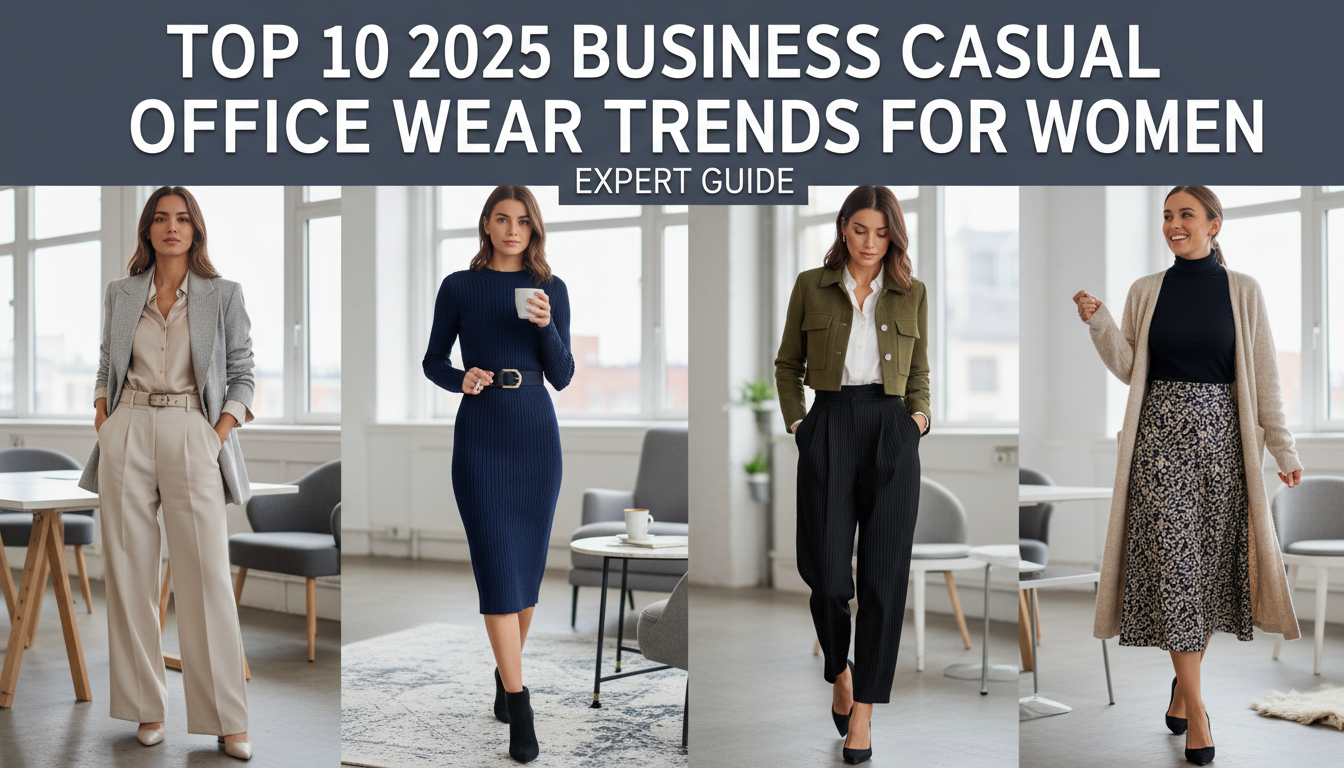
  • Top 10 2025 Business Casual Office Wear Trends for Women: Expert Guide

    Top 10 2025 Business Casual Office Wear Trends for Women: Expert Guide

    The modern workplace has undergone a radical transformation, and as we move into 2025, the definition of “business casual” continues to evolve. No longer confined to the rigid “khakis and a polo” era, today’s professional wardrobe is defined by a sophisticated blend of comfort, personality, and functionality. For women navigating the corporate world, the 2025 landscape focuses on “intentional ease”—outfits that look polished in a boardroom but feel comfortable enough for a ten-hour day.

    Staying ahead of these shifts requires a balance between timeless staples and contemporary silhouettes. Whether you are back in the office full-time or maintaining a hybrid schedule, understanding these trends will help you build a versatile wardrobe that radiates confidence and expertise.

    1. Relaxed Power Tailoring

    In 2025, the “power suit” is shedding its stiff exterior. We are seeing a shift toward oversized blazers with softer shoulder lines and wide-leg trousers that offer movement. The goal is to create a silhouette that is commanding yet effortless.

    • How to wear it: Pair an oversized charcoal blazer with a slim-fitting turtleneck or a simple white tee to balance the proportions.
    • Expert Tip: Look for fabrics like Tencel or lightweight wool blends that drape naturally rather than holding a rigid shape.

    2. The “Butter Yellow” Neutral

    While beige and navy remain office staples, 2025 welcomes “Butter Yellow” as the new essential neutral. This soft, creamy hue provides a refreshing alternative to traditional greys while remaining professional enough for high-level meetings.

    This color works exceptionally well in silk blouses, lightweight knits, and even structured midi skirts. It pairs beautifully with chocolate brown or deep forest green, creating a sophisticated color palette that stands out for the right reasons.

    3. Elevated Tech-Leisure

    The boundary between performance wear and professional attire is blurring. 2025 business casual incorporates “tech-leisure”—garments made from high-performance, wrinkle-resistant fabrics that are cut into traditional professional shapes.

    Feature Traditional Business Casual 2025 Tech-Leisure
    Fabric Cotton or heavy wool Four-way stretch, moisture-wicking synthetics
    Maintenance Requires frequent ironing Wrinkle-resistant and travel-friendly
    Comfort Level Restictive during long sits High mobility and breathability

    4. Textural Layering: Silk and Knits

    Monochrome outfits are getting a 2025 upgrade through texture. Instead of wearing the same fabric from head to toe, the trend is to mix contrasting materials. Think of a heavy ribbed-knit cardigan layered over a sleek silk slip skirt. This juxtaposition adds depth and “visual intelligence” to an outfit, making it look curated rather than just thrown together.

    5. Sculptural Loafers and Pointed-Toe Flats

    The era of the painful six-inch stiletto in the office is largely over. In 2025, footwear is about sculptural interest and comfort. Chunky, architectural loafers with metallic hardware and elongated, pointed-toe flats are the primary choices for the modern professional.

    These shoes offer the same lengthening effect as a heel but allow for a commute-friendly experience. They pair perfectly with the season’s wider pant legs, ensuring the hemline doesn’t drag.

    6. The Return of the Statement Waistline

    After years of loose, shapeless “shacket” silhouettes, 2025 sees a return to the defined waist. However, instead of restrictive corsetry, this is achieved through wide leather belts, built-in cinching on blazers, and high-waisted trousers with paper-bag detailing.

    Defining the waist helps maintain a professional structure when wearing the oversized pieces currently in vogue, ensuring the wearer isn’t “swallowed” by their clothing.

    7. Sustainable “Investment” Capsules

    EEAT principles apply to fashion too—expertise in wardrobe building now involves sustainability. More women are opting for “fewer, better” pieces. This trend focuses on ethically sourced cashmere, organic linens, and recycled polyester.

    The 2025 professional woman is less interested in fast-fashion trends and more interested in the “cost-per-wear” of a high-quality trench coat or a perfectly tailored pair of trousers.

    8. Modernized Preppy Aesthetics

    Think “Academic Chic.” This trend includes polo-style knit tops, argyle patterns in muted tones, and pleated skirts. The key to keeping this business-appropriate in 2025 is to avoid looking like a school uniform by choosing luxury fabrics and sophisticated colorways like burgundy, navy, and cream.

    9. The “Column” Dress

    The sheath dress has been replaced by the column dress. These are longer (midi or maxi length), straighter, and usually made of comfortable jersey or fine-gauge knit. They provide a streamlined, vertical line that is incredibly flattering and professional when paired with a blazer or a longline vest.

    10. Soft-Handled Leather

    Leather (and high-quality vegan alternatives) is no longer just for outerwear. In 2025, soft, buttery leather is used for midi skirts, tailored culottes, and even button-down shirts. When styled in neutral tones like tan, olive, or espresso, leather adds an authoritative edge to business casual dressing.

    Pros and Cons of 2025 Business Casual Trends

    Adopting these trends comes with various benefits and a few considerations for the professional woman.

    Pros

    • Enhanced Comfort: Relaxed fits and stretch fabrics reduce physical fatigue during the workday.
    • Versatility: Most 2025 trends transition easily from the office to evening social events.
    • Efficiency: Tech-fabrics and capsule wardrobes reduce time spent on garment care and outfit selection.

    Cons

    • Initial Investment: High-quality, sustainable “investment” pieces often have a higher upfront cost.
    • Risk of Over-Casualization: Without proper tailoring, “relaxed” styles can accidentally look “sloppy” if not balanced correctly.

    How to Implement These Trends Authentically

    To successfully integrate these trends into your wardrobe, start with your “anchor” pieces. Choose one element—perhaps a wide-leg trouser—and build around it with staples you already own. Remember that business casual is ultimately about the context of your specific workplace culture. In a legal or financial setting, lean into the relaxed tailoring; in a creative or tech environment, experiment more with the “butter yellow” palette and tech-leisure fabrics.

    Frequently Asked Questions

    Are jeans still acceptable in 2025 business casual?

    Yes, but the standard has shifted. For 2025, avoid distressed or ripped denim. Instead, opt for “trouser jeans”—dark indigo or black denim with a wide leg and clean hem that mimics the silhouette of a dress pant.

    How do I make oversized blazers look professional and not messy?

    The secret is in the “Rule of Balance.” If your blazer is oversized, keep your base layer and trousers more streamlined. Additionally, ensure the sleeves are the correct length; if they are too long, have them tailored to the wrist to maintain a sharp look.

    What are the best colors for 2025 office wear?

    Beyond the classic neutrals, look for “earthy sophisticated” tones. This includes sage green, terracotta, espresso brown, and the trend-leading butter yellow. These colors are modern yet grounded.

    Can I wear sneakers to the office in 2025?

    In most modern business casual environments, sneakers are acceptable if they are “lifestyle” sneakers. This means clean, minimalist leather designs (often in white, beige, or navy) rather than bright, chunky athletic shoes meant for the gym.

    How can I dress professionally for video calls in 2025?

    Focus on “waist-up” styling. Texture is your best friend on camera—a knit polo or a blouse with a subtle sheen reads better on low-resolution webcams than flat cotton. Statement earrings are also a great way to show personality in a digital frame.


    Topic: Office wear trends for women business casual
    Tags: #Top #Business #Casual #Office #Wear #Trends #Women #Expert #Guide