Tag: Style

  • 10 Best Preppy College Outfit Ideas to Elevate Your 2024 Campus Style

    10 Best Preppy College Outfit Ideas to Elevate Your 2024 Campus Style

    The transition from summer break to campus life often brings a renewed desire to refine your personal style. In 2024, the “preppy” aesthetic has moved far beyond the rigid Ivy League uniforms of the past. Today’s preppy style—often categorized as Old Money, Dark Academia, or Quiet Luxury—blends classic silhouettes with modern comfort. It is an aesthetic that signals discipline, heritage, and a keen eye for timeless fashion.

    Whether you are heading to a 9:00 AM lecture or a networking event, dressing well can significantly boost your confidence. Below, we break down the ten best preppy college outfit ideas to help you curate a sophisticated campus wardrobe this year.

    1. The Modern Varsity Jacket and Relaxed Denim

    The varsity jacket is the quintessential collegiate staple, but for 2024, the look is more refined. Instead of oversized, bulky fabrics, look for wool-blend bodies with vegan leather sleeves in muted tones like forest green, navy, or cream.

    How to style it: Pair your varsity jacket with straight-leg light-wash denim and a crisp white tee. This balances the “jock” heritage of the jacket with a contemporary, clean-cut silhouette. Finish the look with white leather sneakers for a day of walking across campus.

    2. Cable Knit Sweaters Over Oxford Shirts

    Nothing says “preppy” like the texture of a chunky cable knit. This look is perfect for chilly library sessions or autumn strolls. The key to making this look modern is the collar execution; ensure your Oxford button-down is neatly tucked, with only the collar and perhaps the shirttails showing.

    Styling Tip: Opt for high-quality cotton or cashmere blends. Neutral shades like camel or oatmeal provide a sophisticated “Old Money” vibe that works well with both trousers and skirts.

    3. Pleated Mini Skirts and Chunky Loafers

    The pleated skirt remains a cornerstone of preppy fashion. To avoid looking like you’re wearing a costume, choose skirts in heavy fabrics like wool or structured gabardine. Balance the feminine energy of the skirt with “tougher” footwear.

    The Footwear: Pair your skirt with chunky black loafers and white crew socks. This adds an academic edge that is very popular in 2024 campus street style.

    4. The Tailored Blazer and Graphic Tee

    A well-fitted blazer is the ultimate “power piece” for a college student. To keep it from feeling too corporate, layer it over a vintage-style graphic tee or a simple ribbed tank top. This creates a high-low contrast that looks intentional and stylish.

    Key Detail: Look for blazers with gold buttons or subtle pinstripes to lean into the traditional prep aesthetic while maintaining a relaxed fit.

    5. Monochrome Sweater Vests

    Sweater vests have seen a massive resurgence. They are incredibly versatile for transitional weather when a full sweater is too warm. In 2024, the trend is moving toward monochrome looks—pairing a navy vest with navy slacks or a cream vest with white jeans.

    How to wear: Wear it solo as a sleeveless knit top in the early fall, then layer it over a long-sleeve turtleneck as the temperature drops.

    6. Argyle Prints and Chinos

    Argyle is a pattern deeply rooted in Scottish heritage and elite campus life. While it can sometimes feel dated, you can modernize it by choosing argyle patterns in unexpected color palettes, such as lavender and gray or terracotta and navy.

    The Fit: Pair an argyle sweater with slim-fit chinos. Ensure the chinos hit right at the ankle to showcase your footwear, whether that be Chelsea boots or boat shoes.

    7. The “Coastal Prep” Button-Down and Bike Shorts

    For those warmer days or trips to the campus gym, “Coastal Prep” is the go-to aesthetic. This involves taking an oversized blue-and-white striped button-down and wearing it open over a matching athletic set or bike shorts.

    Why it works: It combines the athletic demands of a busy student with the polished look of a traditional button-down. It’s effortless and practical for a long day of classes and errands.

    8. Tweed Sets and Mary Janes

    If your style leans toward the more formal side, a tweed two-piece set (skirt and cropped jacket) is a timeless investment. This look is highly influenced by French chic and fits perfectly into the “Academic” aesthetic.

    Accessorizing: Complete the outfit with Mary Jane flats. This shoe style is a major trend for 2024 and provides a softer, more classic alternative to sneakers.

    9. The Crisp Shirtdress

    When you have a presentation or an interview, the shirtdress is your best friend. It’s a “one-and-done” outfit that requires minimal effort but provides maximum impact. Look for a belted version to define your silhouette.

    Color Palette: Stick to classic white, light blue, or thin pinstripes. Pair with a leather tote bag to carry your laptop and notebooks in style.

    10. Relaxed Trousers and Pointed-Toe Flats

    Ditch the leggings for a day and opt for wide-leg tailored trousers. This is the hallmark of the “Quiet Luxury” movement. The trousers should be high-waisted and flowy, providing comfort for sitting through long lectures while looking incredibly polished.

    Final Touch: A pointed-toe flat or a sleek mule elongates the leg and keeps the outfit looking elevated rather than slouchy.

    Essential Preppy Capsule Wardrobe for 2024

    Building a preppy wardrobe doesn’t require buying dozens of new items. Instead, focus on these core pieces that can be mixed and matched.

    Category Must-Have Item Why It’s Essential
    Tops White Oxford Button-Down The foundation for layering under sweaters or blazers.
    Outerwear Navy Wool Blazer Instantly upgrades any casual outfit to “academic chic.”
    Bottoms Pleated Skirt or Chinos Classic silhouettes that define the preppy aesthetic.
    Knitwear Cable Knit Sweater Vest Perfect for transitional weather and adding texture.
    Footwear Leather Loafers Durable, comfortable for campus, and timelessly stylish.

    Pros and Cons of the Preppy Aesthetic

    Pros

    • Timelessness: Preppy pieces rarely go out of style, meaning your investment will last for years.
    • Versatility: Most items (like blazers and button-downs) can transition from the classroom to professional internships.
    • Polished Appearance: This style naturally makes you look more organized and prepared, which can leave a positive impression on professors.

    Cons

    • Initial Cost: High-quality fabrics like wool and leather can be more expensive than fast-fashion alternatives.
    • Maintenance: Pieces like Oxford shirts and pleated skirts often require ironing or steaming to look their best.
    • Perception: If not styled with modern touches, the look can sometimes feel overly formal or “stiff” for casual campus settings.

    Frequently Asked Questions

    How can I look preppy on a budget?

    The best way to achieve a preppy look on a budget is through thrifting. Many “Old Money” staples like wool blazers, silk scarves, and leather belts are frequently found in vintage shops. Focus on buying natural fibers (cotton, wool, linen) as they look more expensive than synthetic blends.

    Is preppy style still in for 2024?

    Yes, but it has evolved. In 2024, the style is less about being “exclusive” and more about “curated minimalism.” It incorporates elements of the “Old Money” aesthetic and “Dark Academia,” making it one of the most popular trends on social media and college campuses alike.

    What shoes go best with a preppy outfit?

    Loafers (with or without socks), Chelsea boots, Mary Janes, and clean white leather sneakers are the best choices. For a more traditional look, boat shoes or ballet flats also work well.

    How do I make preppy clothes look modern?

    Mix your structured pieces with casual items. For example, wear a formal blazer with a hoodie underneath, or pair a pleated skirt with an oversized graphic sweatshirt. Proportional play—like pairing something fitted with something oversized—is key to a modern look.

    What are the key colors for a preppy wardrobe?

    Stick to a base of neutrals: navy blue, white, forest green, burgundy, and camel. You can add “pops” of color through accessories like headbands, socks, or striped ties.


    Topic: Preppy style outfit ideas for college
    Tags: #Preppy #College #Outfit #Ideas #Elevate #Campus #Style

  • The Ultimate Boho Chic Festival Style Guide: 10 Must-Have Essentials

    The Ultimate Boho Chic Festival Style Guide: 10 Must-Have Essentials

    Festival season is more than just a lineup of incredible music; it is a cultural movement where fashion serves as the ultimate form of self-expression. Among the myriad of styles that grace the fields of Coachella, Glastonbury, and Tomorrowland, none remains as iconic or enduring as Boho Chic. Rooted in 1970s nostalgia, bohemian fashion blends effortless comfort with artistic flair, prioritizing flowy silhouettes, earthy tones, and intricate textures.

    However, dressing for a festival requires a strategic balance between aesthetic and utility. You aren’t just looking for an outfit; you are looking for an ensemble that can withstand 12 hours of dancing, unpredictable weather, and dusty terrains. This guide breaks down the ten essential elements you need to master the modern boho festival look while remaining practical and comfortable.

    1. The Flowing Maxi Dress or Skirt

    The cornerstone of any bohemian wardrobe is the maxi silhouette. Whether it’s a tiered floral dress or a high-waisted patterned skirt, the goal is movement. Look for breathable fabrics like organic cotton, rayon, or linen to ensure you stay cool under the sun.

    Pro Tip: If you choose a long skirt, ensure it hits just above the ankle. This prevents the hem from dragging in the mud or becoming a tripping hazard during late-night sets.

    2. Crochet and Lace Textures

    Nothing screams “Boho” quite like the artisanal feel of crochet. From intricate halter tops to sheer duster coats, these textures add a three-dimensional element to your outfit. Crochet is particularly effective for festivals because the open-knit design allows for maximum airflow.

    3. Western-Inspired Ankle Boots

    While sandals might seem like the natural choice, experienced festival-goers know that closed-toe shoes are non-negotiable. A pair of worn-in suede or leather ankle boots (often called “Western” or “Cowboy” boots) protects your feet from being stepped on in crowds and keeps them dry if the ground gets damp. They provide much better arch support than flat flip-flops for long days on your feet.

    4. The Statement Kimono or Fringe Cape

    Layering is the secret to a successful festival outfit. As the temperature drops in the evening, a lightweight kimono or a fringed suede cape provides warmth without stifling your style. Look for bold botanical prints, embroidery, or long tassels that catch the wind when you move.

    5. Distressed Denim Cut-offs

    If a maxi dress feels too restrictive, high-waisted denim shorts are the perfect alternative. They serve as a neutral base for more eccentric tops and accessories. To keep it boho, look for “lived-in” details like frayed edges, light washes, and vintage-inspired fits.

    6. Wide-Brimmed Felt or Straw Hats

    A hat is both a stylistic choice and a functional necessity. A wide-brimmed felt hat adds an instant “rockstar” edge to your look, while a straw boater or fedora leans into the rustic, earthy side of boho. Beyond the aesthetic, it protects your face from UV rays and hides “day three” festival hair.

    7. Layered Statement Jewelry

    Boho chic is about abundance. Instead of one delicate piece, opt for layers of turquoise, hammered silver, and beaded necklaces. Don’t be afraid to mix metals or stack rings. Focus on pieces that feel “found”—items that look like they could have been picked up at a vintage market in Marrakech or a seaside stall in Ibiza.

    8. The Fringed Crossbody Bag

    Practicality meets style with the crossbody bag. You need something to hold your essentials—phone, portable charger, sunscreen—while leaving your hands free for dancing. A leather or faux-suede bag with fringe detailing integrates perfectly with the bohemian aesthetic while remaining secure against your body.

    9. Retro-Inspired Sunglasses

    Complete your look with eyewear that nods to the past. Round “Lennon-style” frames or oversized 70s aviators with tinted lenses (think rose, amber, or blue) are the gold standard for boho chic. They add a psychedelic touch while protecting your eyes from the glare of the stage lights.

    10. The Utility Belt or Fanny Pack

    For those who prefer a more streamlined silhouette, the modern “utility belt” or leather fanny pack is a lifesaver. Look for embossed leather or brass buckle details to keep it within the boho theme. It’s the most secure way to carry valuables in high-density crowds.

    Choosing the Right Materials for Comfort

    When selecting your essentials, the fabric choice can make or break your experience. Use the table below to help you decide which materials to pack.

    Fabric Type Pros Best For
    Cotton / Linen Breathable, natural, keeps you cool. Maxi dresses, tops, and headbands.
    Suede / Leather Durable, protects against wind/rain. Boots, belts, and bags.
    Rayon / Viscose Lightweight, drapes beautifully. Kimonos and flowy skirts.
    Denim Extremely durable, easy to clean. Shorts and jackets.

    Pros and Cons of the Boho Chic Style

    Every fashion choice involves trade-offs. While the boho look is iconic, it’s important to weigh the practicalities before heading to the festival grounds.

    Pros

    • Versatility: Most boho pieces can be mixed and matched easily, allowing you to pack light.
    • Photogenic: The textures and layers look incredible in photos and movement.
    • Timelessness: Unlike “fast fashion” trends, boho chic rarely goes out of style, meaning you can wear these pieces year after year.
    • Comfort: The loose, flowy nature of the clothing allows for better circulation and ease of movement.

    Cons

    • Maintenance: Long skirts and fringes can easily get dirty or tangled in muddy conditions.
    • Bulk: Some accessories, like wide-brimmed hats and heavy jewelry, can be cumbersome to carry or store when not in use.
    • Delicate Fabrics: Crochet and lace are prone to snagging on fences or in large crowds.

    Frequently Asked Questions

    How can I make my boho outfit look more modern?

    To avoid looking like you’re wearing a costume, mix one or two “vintage” boho pieces with contemporary items. For example, pair a highly textured crochet top with modern, clean-lined denim shorts or sleek, modern combat boots instead of traditional cowboy boots.

    What should I wear if it rains at a festival?

    The biggest enemy of boho style is mud. If rain is in the forecast, swap your suede boots for high-quality rubber rain boots and layer a clear or earth-toned waterproof poncho over your outfit. Avoid long maxi skirts that will soak up water; opt for denim shorts or a mini dress instead.

    Is boho chic cultural appropriation?

    Boho chic is a Western fashion style inspired by 1960s and 70s counterculture. However, it often incorporates elements from various cultures, such as Native American patterns or Indian embroidery. To be respectful, avoid wearing sacred items like headdresses or religious symbols as “costumes.” Focus on textures, silhouettes, and artisanal craftsmanship instead.

    How do I pack jewelry so it doesn’t tangle?

    A great tip for festival-goers is to thread necklaces through a reusable drinking straw before packing them. This prevents thin chains from knotting during travel, ensuring your accessories are ready to wear as soon as you arrive at the campsite.

    Can I pull off the boho look if I’m on a budget?

    Absolutely. Boho chic is one of the easiest styles to achieve through thrifting. Look for vintage scarves, oversized belts, and denim at local secondhand stores. The “worn-in” look is actually preferred, so pre-loved items often look better than brand-new ones.


    Topic: Boho chic style essentials for festivals
    Tags: #Ultimate #Boho #Chic #Festival #Style #Guide #MustHave #Essentials

  • Mastering Dark Academia Style: The Ultimate Aesthetic Outfit Guide

    Mastering Dark Academia Style: The Ultimate Aesthetic Outfit Guide

    Dark Academia is more than just a passing fashion trend; it is a visual celebration of the pursuit of knowledge, the romance of literature, and the moody atmosphere of historic university halls. Drawing inspiration from 19th-century prep school attire, Greek tragedy, and Gothic architecture, this aesthetic has transformed from a niche internet subculture into a mainstay of modern personal style.

    Mastering this look requires a balance between vintage sophistication and a “studied” nonchalance. Whether you are browsing a dusty library or sipping espresso in a dim-lit café, the key is to look as though you’ve just stepped out of a secret society meeting in a mid-century Oxford college.

    The Core Philosophy of Dark Academia Fashion

    Before diving into specific garments, it is essential to understand the “why” behind the style. Dark Academia emphasizes intellectualism, nostalgia, and a touch of existential melancholy. Unlike its sister aesthetic, Light Academia—which focuses on cream tones and breezy positivity—Dark Academia is rooted in darker color palettes and heavier, more structured fabrics.

    To embody this style authentically, focus on these three pillars:

    • Timelessness: Avoid fast-fashion silhouettes. Look for pieces that could have been worn in the 1940s or the 1990s.
    • Texture: Use tactile fabrics like wool, corduroy, tweed, and silk to add depth to your outfits.
    • Intellectual Detail: Small touches like fountain pens, vintage watches, and leather-bound journals complete the narrative.

    The Dark Academia Color Palette

    The palette is intentionally somber and earthy. The goal is to mimic the colors found in an old-growth forest or a mahogany-paneled study. Avoid bright neons or primary colors.

    Category Primary Colors Accent Colors
    Earth Tones Chocolate Brown, Espresso, Forest Green Olive, Ochre, Rust
    Monochrome Charcoal, Slate Gray, Jet Black Cream, Ivory (for contrast)
    Jewel Tones Burgundy, Oxblood, Navy Blue Deep Plum, Emerald

    Essential Wardrobe Staples

    Building a Dark Academia wardrobe is an exercise in curation. Rather than buying a high volume of clothes, focus on high-quality staples that can be layered interchangeably.

    Outerwear and Blazers

    Outerwear is perhaps the most defining element of the aesthetic. A well-tailored tweed blazer is non-negotiable. Look for patterns like herringbone, houndstooth, or Glen plaid. For colder months, a long wool overcoat or a classic trench coat in tan or black provides the necessary silhouette of mystery and authority.

    Tops and Knitwear

    Layering is the secret to a successful look. Start with a crisp white button-down shirt or a Peter Pan collar blouse. Over this, layer a cable-knit sweater vest or a turtleneck in a dark neutral. Turtlenecks are particularly effective as they provide a sleek, intellectual silhouette that works well under blazers.

    Bottoms: Trousers and Skirts

    For trousers, lean toward high-waisted wool slacks or corduroy pants with a slight taper or a wide-leg cut. If you prefer skirts, pleated plaid skirts (mid-thigh to knee-length) are the quintessential choice. Avoid mini-skirts that feel too “trendy”; the goal is a modest, vintage-academic appeal.

    Footwear

    Your choice of shoes should be practical yet polished. Dr. Martens or chunky Oxford shoes provide a grounded, slightly rebellious edge. For a more formal look, brogues or loafers (with or without tassels) are the gold standard. Always pair them with visible socks—either white for a preppy contrast or dark wool for a seamless look.

    How to Layer Like a Scholar

    Layering is where Dark Academia truly shines. It allows for visual complexity and practical temperature control. A classic layering formula involves:

    1. Base Layer: A fitted turtleneck or a collared shirt.
    2. Mid Layer: A sweater vest or a button-up cardigan.
    3. Top Layer: An oversized blazer or a structured coat.
    4. Accessories: A long wool scarf or a leather satchel.

    The “lived-in” look is important. Don’t be afraid if your clothes have a few wrinkles or if your blazer looks slightly oversized; it adds to the “distracted genius” vibe.

    Accessorizing the Aesthetic

    Accessories serve as the “exclamation point” of your outfit. They should look like heirlooms passed down through generations. Consider adding:

    • Eyewear: Round, wire-rimmed glasses (even if they are blue-light blockers) immediately evoke a scholarly persona.
    • Bags: Swap backpacks for leather satchels or messenger bags.
    • Jewelry: Keep it minimal. Think vintage signet rings, lockets, or a simple leather-strap watch.
    • Hair Care: Soft waves, loose buns held by velvet ribbons, or slightly tousled “bedhead” styles work best.

    Pros and Cons of the Dark Academia Style

    Pros

    • Timeless Appeal: Unlike fast-fashion trends, these pieces rarely go out of style.
    • Professionalism: Many Dark Academia outfits are appropriate for work, university, or formal events.
    • Sustainability: The aesthetic heavily encourages thrifting and buying high-quality vintage items.
    • Versatility: Most pieces are neutrals that can be easily mixed and matched.

    Cons

    • Maintenance: Natural fibers like wool and silk often require dry cleaning or careful hand-washing.
    • Climate Restrictions: Heavy layers and wool can be uncomfortable in tropical or high-heat climates.
    • Cost: High-quality staple pieces (like a 100% wool coat) can be an expensive initial investment.

    Thrifting Your Way to an Authentic Look

    One of the most rewarding aspects of Dark Academia is that it is inherently budget-friendly if you shop second-hand. Fast fashion often fails to replicate the weight and drape of vintage garments. To find the best pieces, search thrift stores for labels like “Harris Tweed,” “Pendleton,” or “Pure New Wool.” Look in the men’s section for oversized blazers and sweater vests, which often provide a more authentic “academic” fit for any gender.

    Frequently Asked Questions

    Is Dark Academia only for cold weather?

    While the aesthetic favors autumn and winter, you can adapt it for summer by choosing lighter fabrics. Swap wool for linen trousers, wear short-sleeved button-downs, and opt for lighter cotton vests while maintaining the dark, moody color palette.

    Do I have to be a student to wear this style?

    Absolutely not. Dark Academia is a fashion choice and a lifestyle aesthetic centered on the love of learning. It is embraced by people of all ages who appreciate classic tailoring and a literary atmosphere.

    How can I make Dark Academia look more modern?

    To modernize the look, mix one “academic” piece with a contemporary staple. For example, pair a vintage tweed blazer with black straight-leg denim and modern leather boots. This breaks up the “costume” feel while retaining the core vibe.

    Is the aesthetic elitist?

    While the origins of the look are tied to elite institutions, the modern community is very inclusive. The focus has shifted from the “prestige” of the school to the “passion” for the subject matter. Thrifting also makes the style accessible to various socioeconomic backgrounds.

    What are some essential books or movies for style inspiration?

    For visual inspiration, look toward films like Dead Poets Society, The Secret History (novel), Kill Your Darlings, and Maurice. These works perfectly capture the sartorial essence of the movement.


    Topic: Dark academia aesthetic outfit guide
    Tags: #Mastering #Dark #Academia #Style #Ultimate #Aesthetic #Outfit #Guide

  • How to Wear Ankle Boots with Jeans: The Ultimate Expert Style Guide

    How to Wear Ankle Boots with Jeans: The Ultimate Expert Style Guide

    The pairing of ankle boots and jeans is arguably the most hardworking combination in any modern wardrobe. It is a style staple that transcends seasons, moving effortlessly from a casual brunch to a sophisticated evening out. However, despite its versatility, achieving the perfect silhouette often feels like a balancing act. The “wrong” hemline or a mismatched boot shaft can quickly make an outfit look truncated or unbalanced.

    Mastering this look requires an understanding of proportions, hemlines, and the subtle interplay between the boot’s hardware and the denim’s wash. In this expert guide, we will break down exactly how to style every type of jean with your favorite booties to ensure a polished, intentional finish every time.

    Understanding the Basics: Shaft Height and Toe Shape

    Before diving into specific denim cuts, it is essential to understand the anatomy of the ankle boot. The two most critical factors in styling are the shaft height (how high the boot goes up your leg) and the toe shape.

    The Shaft Height

    Low-shaft boots (hitting just below the ankle bone) are easiest to pair with skinny or cropped jeans. High-shaft boots (reaching 2–3 inches above the ankle) are designed to sit under the hem of wider-leg jeans or to be tucked into skinny jeans for a seamless line.

    The Toe Shape

    • Pointed Toe: Elongates the leg; perfect for wide-leg or flared jeans.
    • Round Toe: Offers a casual, classic vibe; best for straight-leg or boyfriend jeans.
    • Square Toe: Provides a modern, architectural feel; pairs well with cropped silhouettes.

    How to Style Ankle Boots by Jean Silhouette

    The “secret sauce” to styling jeans with ankle boots lies in how the hem of the denim meets the top of the boot. Here is how to handle the most popular denim cuts.

    1. Straight-Leg Jeans

    Straight-leg jeans are the current gold standard of denim. To style them with ankle boots, the goal is to avoid “bunching” at the ankle. If your jeans are full-length, look for a boot with a slim shaft that can sit under the denim. If the jeans are cropped, ensure there is about an inch of skin showing between the boot and the hem to create a clear visual break.

    2. Skinny Jeans

    While trends shift, skinny jeans remain a functional favorite. You have three main options here:

    • The Tuck: If your boots have a wider opening (like Western boots), tuck the jeans in. Ensure the jeans are tight enough to avoid “ballooning” above the boot.
    • The Single Cuff: A thick, 2-inch cuff works beautifully with flat Chelsea boots.
    • The Double Roll: A small, neat double roll that sits just above the top of the boot is the most traditional “street style” look.

    3. Wide-Leg and Flared Jeans

    With wider silhouettes, the boot should almost always sit hidden under the hem. The key here is the length of the denim; the hem should ideally fall about half an inch off the ground. Pointed-toe ankle boots are the best choice here, as they peek out from under the volume of the fabric, preventing the outfit from looking “heavy.”

    4. Mom Jeans and Boyfriend Jeans

    Because these cuts have a more relaxed, tapered fit, they look best with a messy, “undone” cuff. Avoid tucking these into boots. Instead, roll the hem twice to expose the ankle, and pair them with a more rugged boot, such as a lace-up combat boot or a chunky lug-sole Chelsea.

    The “Golden Rule” of Proportions: The Ankle Gap

    If you are ever in doubt, follow the One-Inch Rule. Having approximately one inch of space between the top of your boot and the bottom of your jean hem is the most universally flattering look. This “flash of skin” (or sock, if it’s cold) breaks up the vertical line of the leg, preventing you from looking swallowed by your clothes and highlighting the narrowest part of your leg.

    Ankle Boot & Denim Matchmaker Table

    Use this quick-reference table to find the best boot style for your preferred denim cut.

    Jean Style Recommended Boot Style Pro Styling Tip
    Cropped Straight Sock Boots (Tight shaft) Ensure the boot shaft goes up under the hem.
    Classic Skinny Chelsea Boots Use a small cuff to show a sliver of ankle.
    Wide-Leg Pointed-Toe Heeled Boot Ensure the hem covers most of the boot.
    Boyfriend/Relaxed Combat or Lug-Sole Boots Double-roll the hem for a rugged look.
    Flared Platform Ankle Boots The extra height prevents the hem from dragging.

    Pros and Cons of Wearing Ankle Boots with Jeans

    Every style choice comes with trade-offs. Understanding these can help you decide which look is right for your specific body type or occasion.

    Pros

    • Versatility: It is one of the few combinations that works for 90% of social occasions.
    • Seasonality: With the right socks or heat-tech leggings, this look works from early autumn through late spring.
    • Durability: Ankle boots offer more protection and support than flats or sneakers in inclement weather.

    Cons

    • Proportion Risk: If the hem and boot height aren’t calibrated, it can make legs appear shorter than they are.
    • The “Bulk” Factor: Tucking thicker denim into slim boots can cause uncomfortable bunching and a messy silhouette.
    • Hardware Clash: Bronze rivets on jeans may sometimes clash with silver zippers or buckles on certain boots.

    Expert Tips for a Polished Finish

    To take your look from “fine” to “fashion-forward,” consider these expert-level nuances:

    1. Match Your Tones

    For an elongating effect, match the color of your boot to the color of your jeans (e.g., black boots with black denim). This creates a continuous vertical line that makes you appear taller.

    2. Mind the Weather

    If you are dealing with snow or rain, prioritize a lug-sole boot. The thicker sole not only provides traction but also lifts your denim hems further away from puddles and salt.

    3. The Sock Secret

    If you have a gap between your jeans and boots and it’s too cold for bare skin, embrace the visible sock trend. Choose a thin, ribbed wool sock in a neutral tone like oatmeal, charcoal, or even a pop of burgundy to add texture and warmth to the outfit.

    Frequently Asked Questions

    Should jeans be tucked into ankle boots?

    Generally, only very tight skinny jeans or leggings should be tucked into ankle boots. For straight-leg, boyfriend, or wide-leg jeans, the denim should either hang over the boot or be cuffed above it. Tucking wide jeans into narrow boots creates an unflattering “pirate” effect.

    Can I wear ankle boots with flare jeans?

    Yes, but the boots should have a heel and a pointed or almond-shaped toe. This prevents the flare from looking “stumpy” and ensures the silhouette remains elongated and sophisticated.

    How much skin should show between my jeans and boots?

    The “sweet spot” is usually between half an inch and two inches. Showing a small amount of skin helps define the ankle and prevents the outfit from looking too heavy or cluttered at the bottom.

    What if my jeans are too long for my boots?

    You have three professional options: have them tailored to a “kick-crop” length, use a clean double-fold cuff, or—if they are a casual style—give them a raw, DIY frayed hem using fabric scissors to hit at exactly the right height.

    Are ankle boots still in style for 2024 and 2025?

    Absolutely. While the specific silhouettes change (shifting from ultra-pointy stiletto booties to more robust Chelsea and combat styles), the fundamental combination of ankle boots and jeans remains a cornerstone of modern fashion.


    Topic: How to wear ankle boots with jeans
    Tags: #Wear #Ankle #Boots #Jeans #Ultimate #Expert #Style #Guide

  • Spring 2026 London Street Style: 8 Major Trends Forecasted by Experts

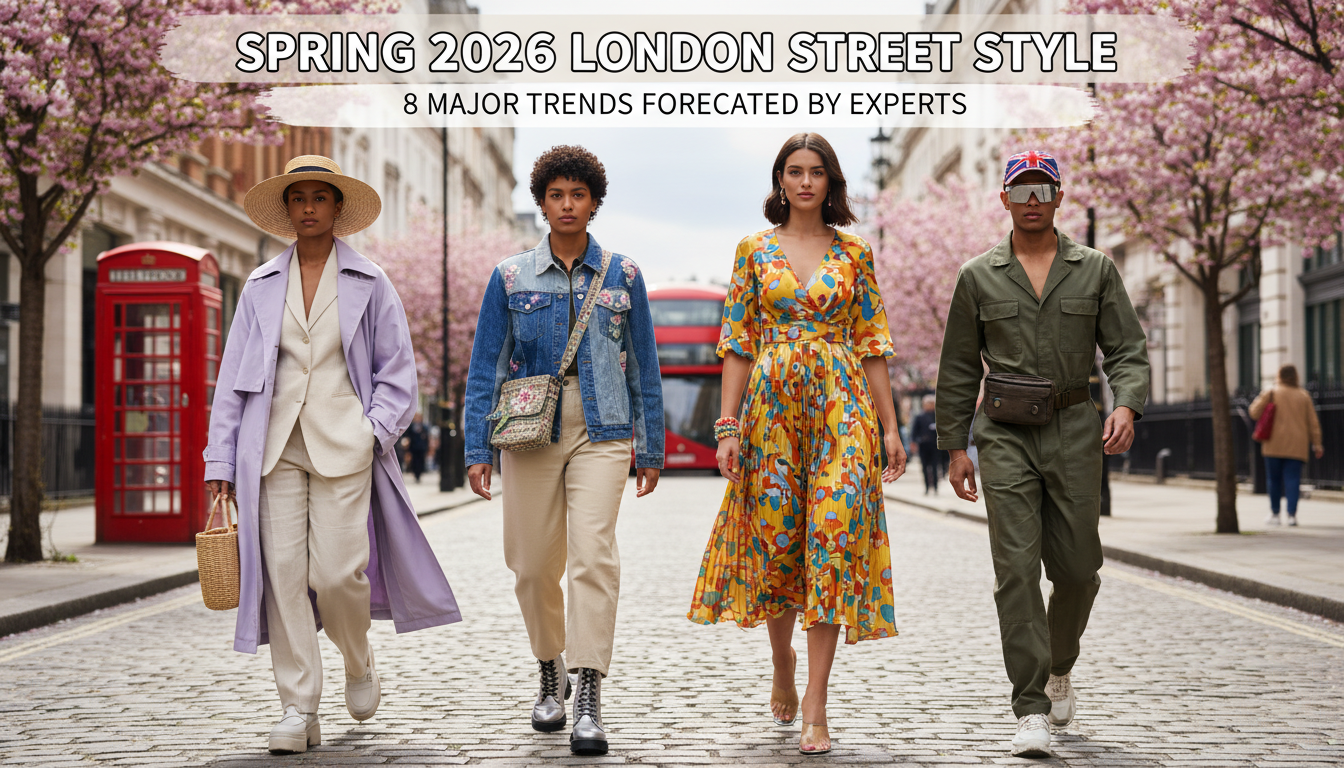
    Spring 2026 London Street Style: 8 Major Trends Forecasted by Experts

    London has long been considered the experimental heartbeat of the global fashion circuit. As we look toward the Spring 2026 season, the city’s street style is undergoing a profound transformation. Moving away from the “quiet luxury” that dominated previous years, Londoners are reclaiming their reputation for eccentricism, rebellious tailoring, and a deep-seated commitment to sustainable innovation.

    According to industry analysts and trend forecasters, Spring 2026 will be defined by a tension between high-tech utility and a nostalgic return to artisan craftsmanship. In this forecast, we explore the eight pivotal trends set to dominate the pavements of Soho, Shoreditch, and Chelsea, offering a glimpse into the future of urban dressing.

    1. Hyper-Local Heritage: The “New Savile Row”

    In 2026, the traditional British suit is being dismantled and rebuilt. Experts are seeing a surge in “deconstructed tailoring,” where the rigid structures of Savile Row are replaced with fluid, oversized silhouettes and raw, unfinished edges. This trend prioritizes local sourcing, with many Londoners opting for deadstock wool and linens from regional mills.

    Expect to see charcoal pinstripes paired with unexpected elements like cargo pockets or asymmetric lapels. The goal is to look polished but unbothered—a quintessential London aesthetic that bridges the gap between the boardroom and the pub.

    2. Bio-Tech Utility: Living Fabrics

    London’s streetwear scene is increasingly merging with biotechnology. For Spring 2026, utility wear isn’t just about extra pockets; it’s about “smart” performance. Forecasters highlight the rise of microbial textiles—fabrics treated with living bacteria that can self-repair or neutralize odors.

    Visually, this translates into high-shine, iridescent windbreakers, modular vests that can be reconfigured for different weather conditions, and trousers featuring integrated solar-reflective strips. It is a fusion of Gorpcore and high-concept laboratory aesthetics.

    3. Neo-Romantic Punk: The 19th Century Meets 1977

    London’s punk roots are eternal, but for the Spring 2026 season, they are getting a romantic makeover. Experts call this “The Regency Rebellion.” It involves mixing delicate, Victorian-inspired elements—think sheer lace, ruffled collars, and corset-style bodices—with heavy combat boots and distressed leather.

    The color palette remains moody: ink blacks, deep plums, and bone whites. This trend represents a desire for softness in a digital world, punctuated by the grit that defines London’s cultural history.

    4. Fluid Regency: Breaking the Gender Binary

    Gender-fluid fashion has moved past the “unisex” label to become a sophisticated standard. In London, Spring 2026 will see masculine-coded frames embracing feminine-coded textures. Silk slips worn over tailored trousers and pearl-embellished sweaters are becoming staples for all identities.

    Industry insiders note that the “London Lad” is evolving, swapping traditional sportswear for flowing drapes and soft tailoring that emphasizes movement and comfort over rigid gender norms.

    5. Tactile Maximalism: 3D Textures

    As digital screens dominate our lives, the desire for physical texture is manifesting in street style. Spring 2026 is all about fabrics you can feel from a distance. We are seeing a rise in 3D-knitted garments, raised silicone patterns, and laser-cut fringe that mimics organic movement.

    Whether it’s a shaggy mohair cardigan in neon lime or a skirt made of interlocking recycled plastic scales, the “texture-first” approach is a reaction against the flatness of fast fashion.

    6. The “Urban Forager” Aesthetic

    Sustainability in 2026 is no longer a buzzword; it’s an aesthetic. The “Urban Forager” look relies on earthy tones—moss green, mushroom beige, and terracotta—and a heavy emphasis on upcycling. Influencers and tastemakers are seen wearing “Frankenstein” garments made from three or four different vintage pieces.

    Key items include patchwork trench coats, hand-knitted beanies with exposed yarns, and bags made from mushroom leather (mycelium). This trend highlights a conscious effort to step away from mass production and celebrate the unique imperfections of handmade items.

    7. Kinetic Sportswear: Moving Art

    London’s love for the tracksuit is being elevated through kinetic design. This trend focuses on how clothes look while the wearer is in motion. We are seeing the introduction of pleated tech-fabrics that expand and contract as you walk, creating a flickering visual effect.

    Track jackets are being updated with structural “fins” and aerodynamic silhouettes, taking cues from professional cycling and track-and-field gear, but styled with high-fashion accessories like metallic silver boots or oversized glasses.

    8. Digital Lavender & Cyber-Pastels

    Color palettes for Spring 2026 are taking cues from the digital realm. “Digital Lavender” remains a powerhouse, but it is joined by “Glitch Blue” and “Static Pink.” These are pastels with an artificial, almost neon undertone.

    Street style experts suggest using these colors in monochrome sets—wearing one shade from head to toe—to create a look that is both calming and futuristic. It’s a departure from the “earthy” tones of previous seasons, signaling a more optimistic, tech-forward outlook.

    London Street Style Trend Summary

    Trend Key Aesthetic Must-Have Item
    Hyper-Local Heritage Deconstructed tailoring, raw wool Asymmetric Blazer
    Bio-Tech Utility Lab-grown fabrics, modularity Self-Repairing Shell Jacket
    Neo-Romantic Punk Victorian lace vs. Leather Combat Corset
    Fluid Regency Soft drapes, pearl accents Silk Wide-Leg Trousers
    Tactile Maximalism 3D textures, heavy knits Laser-Cut Fringe Skirt

    Pros and Cons of the Spring 2026 Trends

    Adopting these forecasted trends requires a balance between creative expression and practical wearability. Here is how the Spring 2026 landscape weighs up:

    Pros

    • Individualism: The focus on upcycling and deconstructed pieces means it is harder to look like everyone else.
    • Sustainability: Trends like the “Urban Forager” and Bio-Tech Utility promote longevity and eco-friendly manufacturing.
    • Inclusivity: The rise of fluid regency makes high fashion more accessible across the gender spectrum.

    Cons

    • Maintenance: Bio-tech fabrics and 3D textures often require specialized cleaning and care.
    • Price Point: Cutting-edge sustainable materials and artisan-made heritage pieces can come with a higher initial cost.
    • Complexity: Layering neo-romantic punk or maximalist textures can be challenging for those who prefer a minimalist wardrobe.

    Frequently Asked Questions

    What is the dominant color for London Street Style in 2026?

    While earthy tones are popular for sustainable trends, “Digital Lavender” and “Glitch Blue” are the standout colors for those following the tech-inspired and maximalist movements. Monochrome pastel outfits are particularly forecasted for the Spring season.

    How can I dress “London Street Style” on a budget?

    The “Urban Forager” and “Heritage” trends are perfect for budget-conscious fashionistas. You can achieve these looks by thrifting vintage wool blazers and DIY-ing them with raw hems, or by patchwork-repairing older items in your wardrobe to create a unique, layered aesthetic.

    Is “Quiet Luxury” over for Spring 2026?

    In London, yes. While the rest of the world may still embrace minimalism, London’s street style is shifting toward “Loud Expressionism.” This means more texture, bolder silhouettes, and a clearer rejection of “safe” fashion choices.

    Are sneakers still in style for 2026?

    Sneakers remain a staple, but the silhouette has changed. Expect to see “maximalist soles”—very thick, architectural bases—and sneakers made from non-traditional materials like recycled cork or bio-mesh, leaning into the utility and tech trends.

    Is tailoring only for formal occasions?

    Not at all. The 2026 “New Savile Row” trend encourages wearing tailored pieces in casual settings. A deconstructed blazer paired with loose-fitting “forager” trousers and tech-sneakers is a classic 2026 London daytime look.


    Topic: Street style trends spring 2026 London
    Tags: #Spring #London #Street #Style #Major #Trends #Forecasted #Experts