Tag: Trends

  • Spring 2026 London Street Style: 8 Major Trends Forecasted by Experts

    Spring 2026 London Street Style: 8 Major Trends Forecasted by Experts

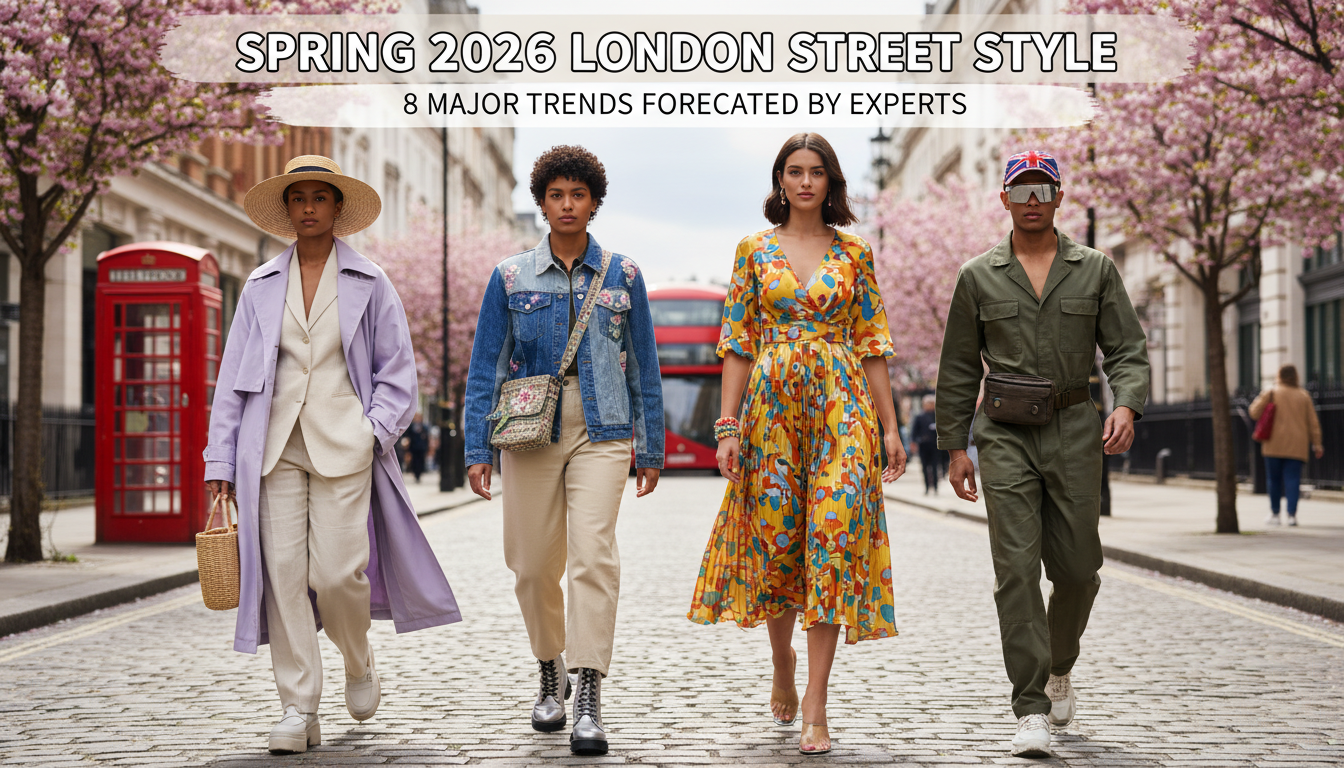
    London has long been considered the experimental heartbeat of the global fashion circuit. As we look toward the Spring 2026 season, the city’s street style is undergoing a profound transformation. Moving away from the “quiet luxury” that dominated previous years, Londoners are reclaiming their reputation for eccentricism, rebellious tailoring, and a deep-seated commitment to sustainable innovation.

    According to industry analysts and trend forecasters, Spring 2026 will be defined by a tension between high-tech utility and a nostalgic return to artisan craftsmanship. In this forecast, we explore the eight pivotal trends set to dominate the pavements of Soho, Shoreditch, and Chelsea, offering a glimpse into the future of urban dressing.

    1. Hyper-Local Heritage: The “New Savile Row”

    In 2026, the traditional British suit is being dismantled and rebuilt. Experts are seeing a surge in “deconstructed tailoring,” where the rigid structures of Savile Row are replaced with fluid, oversized silhouettes and raw, unfinished edges. This trend prioritizes local sourcing, with many Londoners opting for deadstock wool and linens from regional mills.

    Expect to see charcoal pinstripes paired with unexpected elements like cargo pockets or asymmetric lapels. The goal is to look polished but unbothered—a quintessential London aesthetic that bridges the gap between the boardroom and the pub.

    2. Bio-Tech Utility: Living Fabrics

    London’s streetwear scene is increasingly merging with biotechnology. For Spring 2026, utility wear isn’t just about extra pockets; it’s about “smart” performance. Forecasters highlight the rise of microbial textiles—fabrics treated with living bacteria that can self-repair or neutralize odors.

    Visually, this translates into high-shine, iridescent windbreakers, modular vests that can be reconfigured for different weather conditions, and trousers featuring integrated solar-reflective strips. It is a fusion of Gorpcore and high-concept laboratory aesthetics.

    3. Neo-Romantic Punk: The 19th Century Meets 1977

    London’s punk roots are eternal, but for the Spring 2026 season, they are getting a romantic makeover. Experts call this “The Regency Rebellion.” It involves mixing delicate, Victorian-inspired elements—think sheer lace, ruffled collars, and corset-style bodices—with heavy combat boots and distressed leather.

    The color palette remains moody: ink blacks, deep plums, and bone whites. This trend represents a desire for softness in a digital world, punctuated by the grit that defines London’s cultural history.

    4. Fluid Regency: Breaking the Gender Binary

    Gender-fluid fashion has moved past the “unisex” label to become a sophisticated standard. In London, Spring 2026 will see masculine-coded frames embracing feminine-coded textures. Silk slips worn over tailored trousers and pearl-embellished sweaters are becoming staples for all identities.

    Industry insiders note that the “London Lad” is evolving, swapping traditional sportswear for flowing drapes and soft tailoring that emphasizes movement and comfort over rigid gender norms.

    5. Tactile Maximalism: 3D Textures

    As digital screens dominate our lives, the desire for physical texture is manifesting in street style. Spring 2026 is all about fabrics you can feel from a distance. We are seeing a rise in 3D-knitted garments, raised silicone patterns, and laser-cut fringe that mimics organic movement.

    Whether it’s a shaggy mohair cardigan in neon lime or a skirt made of interlocking recycled plastic scales, the “texture-first” approach is a reaction against the flatness of fast fashion.

    6. The “Urban Forager” Aesthetic

    Sustainability in 2026 is no longer a buzzword; it’s an aesthetic. The “Urban Forager” look relies on earthy tones—moss green, mushroom beige, and terracotta—and a heavy emphasis on upcycling. Influencers and tastemakers are seen wearing “Frankenstein” garments made from three or four different vintage pieces.

    Key items include patchwork trench coats, hand-knitted beanies with exposed yarns, and bags made from mushroom leather (mycelium). This trend highlights a conscious effort to step away from mass production and celebrate the unique imperfections of handmade items.

    7. Kinetic Sportswear: Moving Art

    London’s love for the tracksuit is being elevated through kinetic design. This trend focuses on how clothes look while the wearer is in motion. We are seeing the introduction of pleated tech-fabrics that expand and contract as you walk, creating a flickering visual effect.

    Track jackets are being updated with structural “fins” and aerodynamic silhouettes, taking cues from professional cycling and track-and-field gear, but styled with high-fashion accessories like metallic silver boots or oversized glasses.

    8. Digital Lavender & Cyber-Pastels

    Color palettes for Spring 2026 are taking cues from the digital realm. “Digital Lavender” remains a powerhouse, but it is joined by “Glitch Blue” and “Static Pink.” These are pastels with an artificial, almost neon undertone.

    Street style experts suggest using these colors in monochrome sets—wearing one shade from head to toe—to create a look that is both calming and futuristic. It’s a departure from the “earthy” tones of previous seasons, signaling a more optimistic, tech-forward outlook.

    London Street Style Trend Summary

    Trend Key Aesthetic Must-Have Item
    Hyper-Local Heritage Deconstructed tailoring, raw wool Asymmetric Blazer
    Bio-Tech Utility Lab-grown fabrics, modularity Self-Repairing Shell Jacket
    Neo-Romantic Punk Victorian lace vs. Leather Combat Corset
    Fluid Regency Soft drapes, pearl accents Silk Wide-Leg Trousers
    Tactile Maximalism 3D textures, heavy knits Laser-Cut Fringe Skirt

    Pros and Cons of the Spring 2026 Trends

    Adopting these forecasted trends requires a balance between creative expression and practical wearability. Here is how the Spring 2026 landscape weighs up:

    Pros

    • Individualism: The focus on upcycling and deconstructed pieces means it is harder to look like everyone else.
    • Sustainability: Trends like the “Urban Forager” and Bio-Tech Utility promote longevity and eco-friendly manufacturing.
    • Inclusivity: The rise of fluid regency makes high fashion more accessible across the gender spectrum.

    Cons

    • Maintenance: Bio-tech fabrics and 3D textures often require specialized cleaning and care.
    • Price Point: Cutting-edge sustainable materials and artisan-made heritage pieces can come with a higher initial cost.
    • Complexity: Layering neo-romantic punk or maximalist textures can be challenging for those who prefer a minimalist wardrobe.

    Frequently Asked Questions

    What is the dominant color for London Street Style in 2026?

    While earthy tones are popular for sustainable trends, “Digital Lavender” and “Glitch Blue” are the standout colors for those following the tech-inspired and maximalist movements. Monochrome pastel outfits are particularly forecasted for the Spring season.

    How can I dress “London Street Style” on a budget?

    The “Urban Forager” and “Heritage” trends are perfect for budget-conscious fashionistas. You can achieve these looks by thrifting vintage wool blazers and DIY-ing them with raw hems, or by patchwork-repairing older items in your wardrobe to create a unique, layered aesthetic.

    Is “Quiet Luxury” over for Spring 2026?

    In London, yes. While the rest of the world may still embrace minimalism, London’s street style is shifting toward “Loud Expressionism.” This means more texture, bolder silhouettes, and a clearer rejection of “safe” fashion choices.

    Are sneakers still in style for 2026?

    Sneakers remain a staple, but the silhouette has changed. Expect to see “maximalist soles”—very thick, architectural bases—and sneakers made from non-traditional materials like recycled cork or bio-mesh, leaning into the utility and tech trends.

    Is tailoring only for formal occasions?

    Not at all. The 2026 “New Savile Row” trend encourages wearing tailored pieces in casual settings. A deconstructed blazer paired with loose-fitting “forager” trousers and tech-sneakers is a classic 2026 London daytime look.


    Topic: Street style trends spring 2026 London
    Tags: #Spring #London #Street #Style #Major #Trends #Forecasted #Experts

  • Top 10 2025 Business Casual Office Wear Trends for Women: Expert Guide

    Top 10 2025 Business Casual Office Wear Trends for Women: Expert Guide

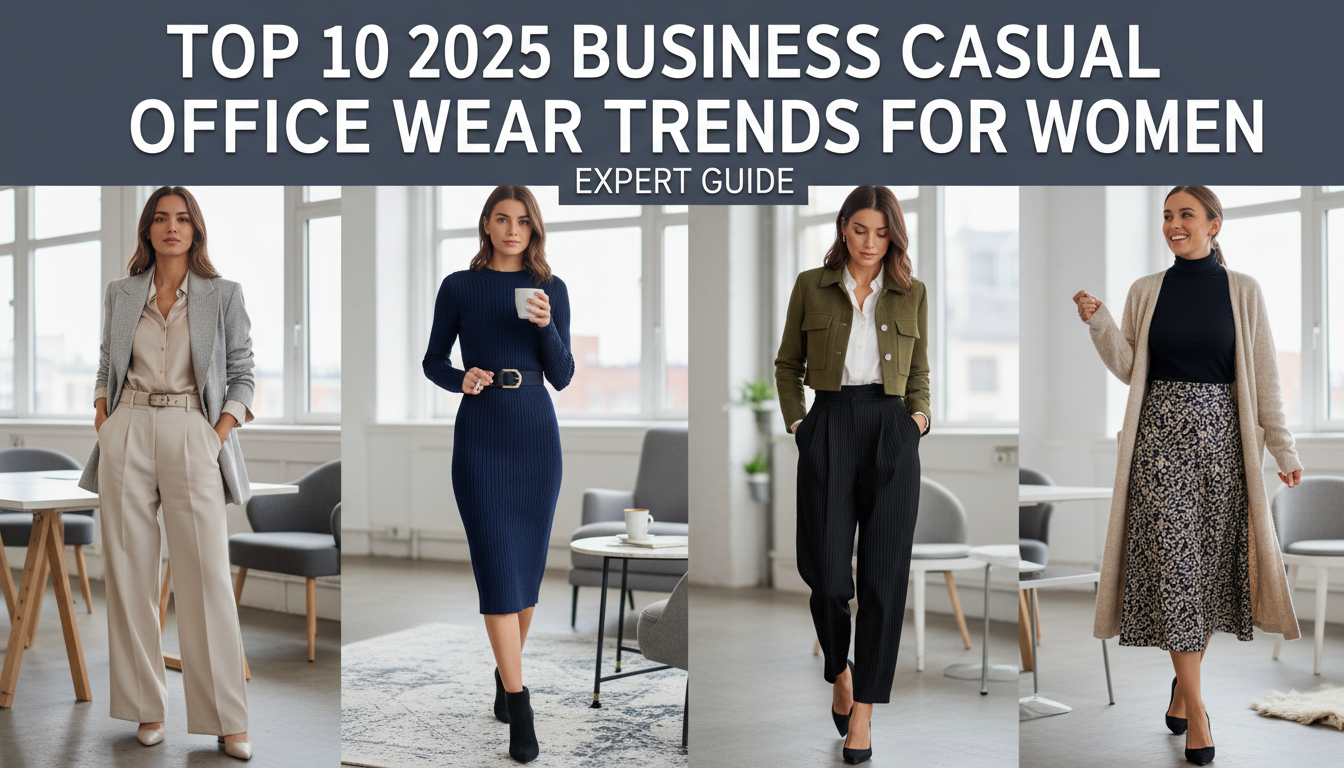
    The modern workplace has undergone a radical transformation, and as we move into 2025, the definition of “business casual” continues to evolve. No longer confined to the rigid “khakis and a polo” era, today’s professional wardrobe is defined by a sophisticated blend of comfort, personality, and functionality. For women navigating the corporate world, the 2025 landscape focuses on “intentional ease”—outfits that look polished in a boardroom but feel comfortable enough for a ten-hour day.

    Staying ahead of these shifts requires a balance between timeless staples and contemporary silhouettes. Whether you are back in the office full-time or maintaining a hybrid schedule, understanding these trends will help you build a versatile wardrobe that radiates confidence and expertise.

    1. Relaxed Power Tailoring

    In 2025, the “power suit” is shedding its stiff exterior. We are seeing a shift toward oversized blazers with softer shoulder lines and wide-leg trousers that offer movement. The goal is to create a silhouette that is commanding yet effortless.

    • How to wear it: Pair an oversized charcoal blazer with a slim-fitting turtleneck or a simple white tee to balance the proportions.
    • Expert Tip: Look for fabrics like Tencel or lightweight wool blends that drape naturally rather than holding a rigid shape.

    2. The “Butter Yellow” Neutral

    While beige and navy remain office staples, 2025 welcomes “Butter Yellow” as the new essential neutral. This soft, creamy hue provides a refreshing alternative to traditional greys while remaining professional enough for high-level meetings.

    This color works exceptionally well in silk blouses, lightweight knits, and even structured midi skirts. It pairs beautifully with chocolate brown or deep forest green, creating a sophisticated color palette that stands out for the right reasons.

    3. Elevated Tech-Leisure

    The boundary between performance wear and professional attire is blurring. 2025 business casual incorporates “tech-leisure”—garments made from high-performance, wrinkle-resistant fabrics that are cut into traditional professional shapes.

    Feature Traditional Business Casual 2025 Tech-Leisure
    Fabric Cotton or heavy wool Four-way stretch, moisture-wicking synthetics
    Maintenance Requires frequent ironing Wrinkle-resistant and travel-friendly
    Comfort Level Restictive during long sits High mobility and breathability

    4. Textural Layering: Silk and Knits

    Monochrome outfits are getting a 2025 upgrade through texture. Instead of wearing the same fabric from head to toe, the trend is to mix contrasting materials. Think of a heavy ribbed-knit cardigan layered over a sleek silk slip skirt. This juxtaposition adds depth and “visual intelligence” to an outfit, making it look curated rather than just thrown together.

    5. Sculptural Loafers and Pointed-Toe Flats

    The era of the painful six-inch stiletto in the office is largely over. In 2025, footwear is about sculptural interest and comfort. Chunky, architectural loafers with metallic hardware and elongated, pointed-toe flats are the primary choices for the modern professional.

    These shoes offer the same lengthening effect as a heel but allow for a commute-friendly experience. They pair perfectly with the season’s wider pant legs, ensuring the hemline doesn’t drag.

    6. The Return of the Statement Waistline

    After years of loose, shapeless “shacket” silhouettes, 2025 sees a return to the defined waist. However, instead of restrictive corsetry, this is achieved through wide leather belts, built-in cinching on blazers, and high-waisted trousers with paper-bag detailing.

    Defining the waist helps maintain a professional structure when wearing the oversized pieces currently in vogue, ensuring the wearer isn’t “swallowed” by their clothing.

    7. Sustainable “Investment” Capsules

    EEAT principles apply to fashion too—expertise in wardrobe building now involves sustainability. More women are opting for “fewer, better” pieces. This trend focuses on ethically sourced cashmere, organic linens, and recycled polyester.

    The 2025 professional woman is less interested in fast-fashion trends and more interested in the “cost-per-wear” of a high-quality trench coat or a perfectly tailored pair of trousers.

    8. Modernized Preppy Aesthetics

    Think “Academic Chic.” This trend includes polo-style knit tops, argyle patterns in muted tones, and pleated skirts. The key to keeping this business-appropriate in 2025 is to avoid looking like a school uniform by choosing luxury fabrics and sophisticated colorways like burgundy, navy, and cream.

    9. The “Column” Dress

    The sheath dress has been replaced by the column dress. These are longer (midi or maxi length), straighter, and usually made of comfortable jersey or fine-gauge knit. They provide a streamlined, vertical line that is incredibly flattering and professional when paired with a blazer or a longline vest.

    10. Soft-Handled Leather

    Leather (and high-quality vegan alternatives) is no longer just for outerwear. In 2025, soft, buttery leather is used for midi skirts, tailored culottes, and even button-down shirts. When styled in neutral tones like tan, olive, or espresso, leather adds an authoritative edge to business casual dressing.

    Pros and Cons of 2025 Business Casual Trends

    Adopting these trends comes with various benefits and a few considerations for the professional woman.

    Pros

    • Enhanced Comfort: Relaxed fits and stretch fabrics reduce physical fatigue during the workday.
    • Versatility: Most 2025 trends transition easily from the office to evening social events.
    • Efficiency: Tech-fabrics and capsule wardrobes reduce time spent on garment care and outfit selection.

    Cons

    • Initial Investment: High-quality, sustainable “investment” pieces often have a higher upfront cost.
    • Risk of Over-Casualization: Without proper tailoring, “relaxed” styles can accidentally look “sloppy” if not balanced correctly.

    How to Implement These Trends Authentically

    To successfully integrate these trends into your wardrobe, start with your “anchor” pieces. Choose one element—perhaps a wide-leg trouser—and build around it with staples you already own. Remember that business casual is ultimately about the context of your specific workplace culture. In a legal or financial setting, lean into the relaxed tailoring; in a creative or tech environment, experiment more with the “butter yellow” palette and tech-leisure fabrics.

    Frequently Asked Questions

    Are jeans still acceptable in 2025 business casual?

    Yes, but the standard has shifted. For 2025, avoid distressed or ripped denim. Instead, opt for “trouser jeans”—dark indigo or black denim with a wide leg and clean hem that mimics the silhouette of a dress pant.

    How do I make oversized blazers look professional and not messy?

    The secret is in the “Rule of Balance.” If your blazer is oversized, keep your base layer and trousers more streamlined. Additionally, ensure the sleeves are the correct length; if they are too long, have them tailored to the wrist to maintain a sharp look.

    What are the best colors for 2025 office wear?

    Beyond the classic neutrals, look for “earthy sophisticated” tones. This includes sage green, terracotta, espresso brown, and the trend-leading butter yellow. These colors are modern yet grounded.

    Can I wear sneakers to the office in 2025?

    In most modern business casual environments, sneakers are acceptable if they are “lifestyle” sneakers. This means clean, minimalist leather designs (often in white, beige, or navy) rather than bright, chunky athletic shoes meant for the gym.

    How can I dress professionally for video calls in 2025?

    Focus on “waist-up” styling. Texture is your best friend on camera—a knit polo or a blouse with a subtle sheen reads better on low-resolution webcams than flat cotton. Statement earrings are also a great way to show personality in a digital frame.


    Topic: Office wear trends for women business casual
    Tags: #Top #Business #Casual #Office #Wear #Trends #Women #Expert #Guide