Tag: Wear

  • How to Wear Ankle Boots with Jeans: The Ultimate Expert Style Guide

    How to Wear Ankle Boots with Jeans: The Ultimate Expert Style Guide

    The pairing of ankle boots and jeans is arguably the most hardworking combination in any modern wardrobe. It is a style staple that transcends seasons, moving effortlessly from a casual brunch to a sophisticated evening out. However, despite its versatility, achieving the perfect silhouette often feels like a balancing act. The “wrong” hemline or a mismatched boot shaft can quickly make an outfit look truncated or unbalanced.

    Mastering this look requires an understanding of proportions, hemlines, and the subtle interplay between the boot’s hardware and the denim’s wash. In this expert guide, we will break down exactly how to style every type of jean with your favorite booties to ensure a polished, intentional finish every time.

    Understanding the Basics: Shaft Height and Toe Shape

    Before diving into specific denim cuts, it is essential to understand the anatomy of the ankle boot. The two most critical factors in styling are the shaft height (how high the boot goes up your leg) and the toe shape.

    The Shaft Height

    Low-shaft boots (hitting just below the ankle bone) are easiest to pair with skinny or cropped jeans. High-shaft boots (reaching 2–3 inches above the ankle) are designed to sit under the hem of wider-leg jeans or to be tucked into skinny jeans for a seamless line.

    The Toe Shape

    • Pointed Toe: Elongates the leg; perfect for wide-leg or flared jeans.
    • Round Toe: Offers a casual, classic vibe; best for straight-leg or boyfriend jeans.
    • Square Toe: Provides a modern, architectural feel; pairs well with cropped silhouettes.

    How to Style Ankle Boots by Jean Silhouette

    The “secret sauce” to styling jeans with ankle boots lies in how the hem of the denim meets the top of the boot. Here is how to handle the most popular denim cuts.

    1. Straight-Leg Jeans

    Straight-leg jeans are the current gold standard of denim. To style them with ankle boots, the goal is to avoid “bunching” at the ankle. If your jeans are full-length, look for a boot with a slim shaft that can sit under the denim. If the jeans are cropped, ensure there is about an inch of skin showing between the boot and the hem to create a clear visual break.

    2. Skinny Jeans

    While trends shift, skinny jeans remain a functional favorite. You have three main options here:

    • The Tuck: If your boots have a wider opening (like Western boots), tuck the jeans in. Ensure the jeans are tight enough to avoid “ballooning” above the boot.
    • The Single Cuff: A thick, 2-inch cuff works beautifully with flat Chelsea boots.
    • The Double Roll: A small, neat double roll that sits just above the top of the boot is the most traditional “street style” look.

    3. Wide-Leg and Flared Jeans

    With wider silhouettes, the boot should almost always sit hidden under the hem. The key here is the length of the denim; the hem should ideally fall about half an inch off the ground. Pointed-toe ankle boots are the best choice here, as they peek out from under the volume of the fabric, preventing the outfit from looking “heavy.”

    4. Mom Jeans and Boyfriend Jeans

    Because these cuts have a more relaxed, tapered fit, they look best with a messy, “undone” cuff. Avoid tucking these into boots. Instead, roll the hem twice to expose the ankle, and pair them with a more rugged boot, such as a lace-up combat boot or a chunky lug-sole Chelsea.

    The “Golden Rule” of Proportions: The Ankle Gap

    If you are ever in doubt, follow the One-Inch Rule. Having approximately one inch of space between the top of your boot and the bottom of your jean hem is the most universally flattering look. This “flash of skin” (or sock, if it’s cold) breaks up the vertical line of the leg, preventing you from looking swallowed by your clothes and highlighting the narrowest part of your leg.

    Ankle Boot & Denim Matchmaker Table

    Use this quick-reference table to find the best boot style for your preferred denim cut.

    Jean Style Recommended Boot Style Pro Styling Tip
    Cropped Straight Sock Boots (Tight shaft) Ensure the boot shaft goes up under the hem.
    Classic Skinny Chelsea Boots Use a small cuff to show a sliver of ankle.
    Wide-Leg Pointed-Toe Heeled Boot Ensure the hem covers most of the boot.
    Boyfriend/Relaxed Combat or Lug-Sole Boots Double-roll the hem for a rugged look.
    Flared Platform Ankle Boots The extra height prevents the hem from dragging.

    Pros and Cons of Wearing Ankle Boots with Jeans

    Every style choice comes with trade-offs. Understanding these can help you decide which look is right for your specific body type or occasion.

    Pros

    • Versatility: It is one of the few combinations that works for 90% of social occasions.
    • Seasonality: With the right socks or heat-tech leggings, this look works from early autumn through late spring.
    • Durability: Ankle boots offer more protection and support than flats or sneakers in inclement weather.

    Cons

    • Proportion Risk: If the hem and boot height aren’t calibrated, it can make legs appear shorter than they are.
    • The “Bulk” Factor: Tucking thicker denim into slim boots can cause uncomfortable bunching and a messy silhouette.
    • Hardware Clash: Bronze rivets on jeans may sometimes clash with silver zippers or buckles on certain boots.

    Expert Tips for a Polished Finish

    To take your look from “fine” to “fashion-forward,” consider these expert-level nuances:

    1. Match Your Tones

    For an elongating effect, match the color of your boot to the color of your jeans (e.g., black boots with black denim). This creates a continuous vertical line that makes you appear taller.

    2. Mind the Weather

    If you are dealing with snow or rain, prioritize a lug-sole boot. The thicker sole not only provides traction but also lifts your denim hems further away from puddles and salt.

    3. The Sock Secret

    If you have a gap between your jeans and boots and it’s too cold for bare skin, embrace the visible sock trend. Choose a thin, ribbed wool sock in a neutral tone like oatmeal, charcoal, or even a pop of burgundy to add texture and warmth to the outfit.

    Frequently Asked Questions

    Should jeans be tucked into ankle boots?

    Generally, only very tight skinny jeans or leggings should be tucked into ankle boots. For straight-leg, boyfriend, or wide-leg jeans, the denim should either hang over the boot or be cuffed above it. Tucking wide jeans into narrow boots creates an unflattering “pirate” effect.

    Can I wear ankle boots with flare jeans?

    Yes, but the boots should have a heel and a pointed or almond-shaped toe. This prevents the flare from looking “stumpy” and ensures the silhouette remains elongated and sophisticated.

    How much skin should show between my jeans and boots?

    The “sweet spot” is usually between half an inch and two inches. Showing a small amount of skin helps define the ankle and prevents the outfit from looking too heavy or cluttered at the bottom.

    What if my jeans are too long for my boots?

    You have three professional options: have them tailored to a “kick-crop” length, use a clean double-fold cuff, or—if they are a casual style—give them a raw, DIY frayed hem using fabric scissors to hit at exactly the right height.

    Are ankle boots still in style for 2024 and 2025?

    Absolutely. While the specific silhouettes change (shifting from ultra-pointy stiletto booties to more robust Chelsea and combat styles), the fundamental combination of ankle boots and jeans remains a cornerstone of modern fashion.


    Topic: How to wear ankle boots with jeans
    Tags: #Wear #Ankle #Boots #Jeans #Ultimate #Expert #Style #Guide
  • Top 10 2025 Business Casual Office Wear Trends for Women: Expert Guide

    Top 10 2025 Business Casual Office Wear Trends for Women: Expert Guide

    The modern workplace has undergone a radical transformation, and as we move into 2025, the definition of “business casual” continues to evolve. No longer confined to the rigid “khakis and a polo” era, today’s professional wardrobe is defined by a sophisticated blend of comfort, personality, and functionality. For women navigating the corporate world, the 2025 landscape focuses on “intentional ease”—outfits that look polished in a boardroom but feel comfortable enough for a ten-hour day.

    Staying ahead of these shifts requires a balance between timeless staples and contemporary silhouettes. Whether you are back in the office full-time or maintaining a hybrid schedule, understanding these trends will help you build a versatile wardrobe that radiates confidence and expertise.

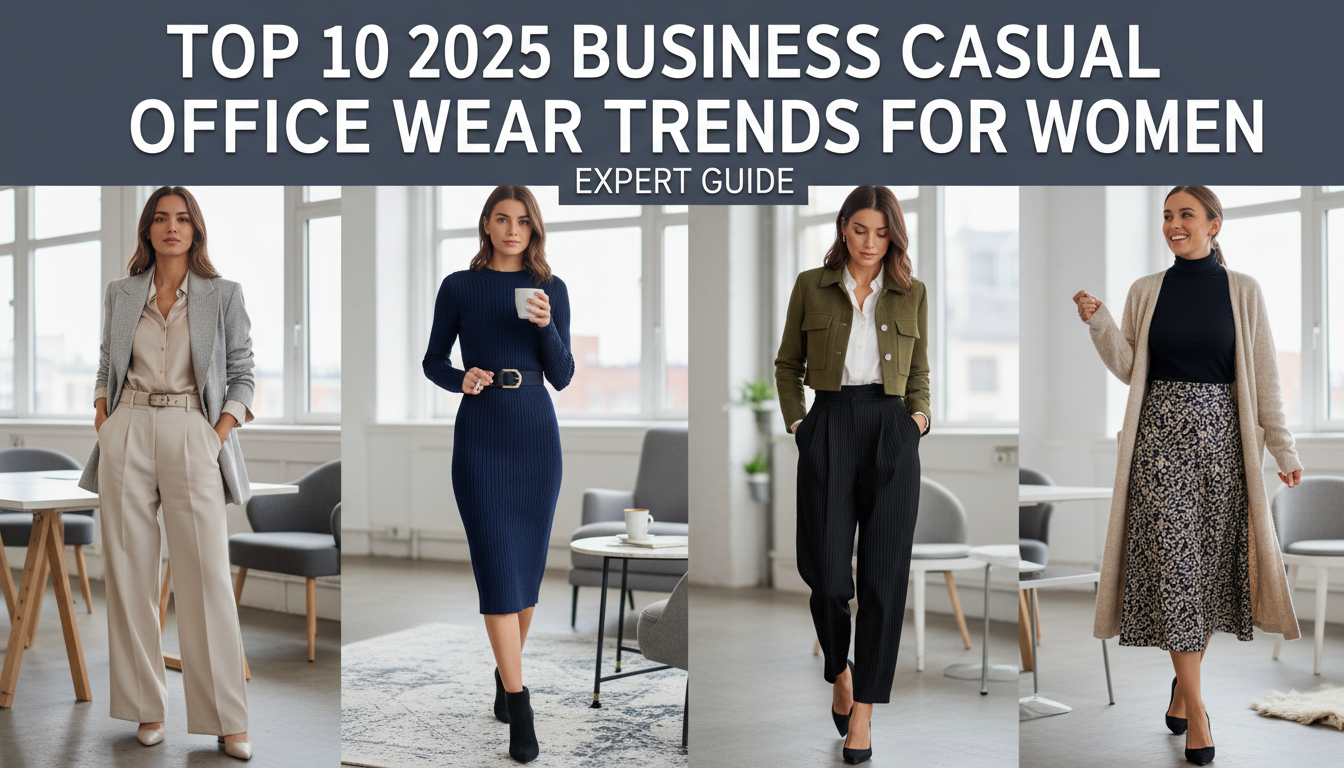
    1. Relaxed Power Tailoring

    In 2025, the “power suit” is shedding its stiff exterior. We are seeing a shift toward oversized blazers with softer shoulder lines and wide-leg trousers that offer movement. The goal is to create a silhouette that is commanding yet effortless.

    • How to wear it: Pair an oversized charcoal blazer with a slim-fitting turtleneck or a simple white tee to balance the proportions.
    • Expert Tip: Look for fabrics like Tencel or lightweight wool blends that drape naturally rather than holding a rigid shape.

    2. The “Butter Yellow” Neutral

    While beige and navy remain office staples, 2025 welcomes “Butter Yellow” as the new essential neutral. This soft, creamy hue provides a refreshing alternative to traditional greys while remaining professional enough for high-level meetings.

    This color works exceptionally well in silk blouses, lightweight knits, and even structured midi skirts. It pairs beautifully with chocolate brown or deep forest green, creating a sophisticated color palette that stands out for the right reasons.

    3. Elevated Tech-Leisure

    The boundary between performance wear and professional attire is blurring. 2025 business casual incorporates “tech-leisure”—garments made from high-performance, wrinkle-resistant fabrics that are cut into traditional professional shapes.

    Feature Traditional Business Casual 2025 Tech-Leisure
    Fabric Cotton or heavy wool Four-way stretch, moisture-wicking synthetics
    Maintenance Requires frequent ironing Wrinkle-resistant and travel-friendly
    Comfort Level Restictive during long sits High mobility and breathability

    4. Textural Layering: Silk and Knits

    Monochrome outfits are getting a 2025 upgrade through texture. Instead of wearing the same fabric from head to toe, the trend is to mix contrasting materials. Think of a heavy ribbed-knit cardigan layered over a sleek silk slip skirt. This juxtaposition adds depth and “visual intelligence” to an outfit, making it look curated rather than just thrown together.

    5. Sculptural Loafers and Pointed-Toe Flats

    The era of the painful six-inch stiletto in the office is largely over. In 2025, footwear is about sculptural interest and comfort. Chunky, architectural loafers with metallic hardware and elongated, pointed-toe flats are the primary choices for the modern professional.

    These shoes offer the same lengthening effect as a heel but allow for a commute-friendly experience. They pair perfectly with the season’s wider pant legs, ensuring the hemline doesn’t drag.

    6. The Return of the Statement Waistline

    After years of loose, shapeless “shacket” silhouettes, 2025 sees a return to the defined waist. However, instead of restrictive corsetry, this is achieved through wide leather belts, built-in cinching on blazers, and high-waisted trousers with paper-bag detailing.

    Defining the waist helps maintain a professional structure when wearing the oversized pieces currently in vogue, ensuring the wearer isn’t “swallowed” by their clothing.

    7. Sustainable “Investment” Capsules

    EEAT principles apply to fashion too—expertise in wardrobe building now involves sustainability. More women are opting for “fewer, better” pieces. This trend focuses on ethically sourced cashmere, organic linens, and recycled polyester.

    The 2025 professional woman is less interested in fast-fashion trends and more interested in the “cost-per-wear” of a high-quality trench coat or a perfectly tailored pair of trousers.

    8. Modernized Preppy Aesthetics

    Think “Academic Chic.” This trend includes polo-style knit tops, argyle patterns in muted tones, and pleated skirts. The key to keeping this business-appropriate in 2025 is to avoid looking like a school uniform by choosing luxury fabrics and sophisticated colorways like burgundy, navy, and cream.

    9. The “Column” Dress

    The sheath dress has been replaced by the column dress. These are longer (midi or maxi length), straighter, and usually made of comfortable jersey or fine-gauge knit. They provide a streamlined, vertical line that is incredibly flattering and professional when paired with a blazer or a longline vest.

    10. Soft-Handled Leather

    Leather (and high-quality vegan alternatives) is no longer just for outerwear. In 2025, soft, buttery leather is used for midi skirts, tailored culottes, and even button-down shirts. When styled in neutral tones like tan, olive, or espresso, leather adds an authoritative edge to business casual dressing.

    Pros and Cons of 2025 Business Casual Trends

    Adopting these trends comes with various benefits and a few considerations for the professional woman.

    Pros

    • Enhanced Comfort: Relaxed fits and stretch fabrics reduce physical fatigue during the workday.
    • Versatility: Most 2025 trends transition easily from the office to evening social events.
    • Efficiency: Tech-fabrics and capsule wardrobes reduce time spent on garment care and outfit selection.

    Cons

    • Initial Investment: High-quality, sustainable “investment” pieces often have a higher upfront cost.
    • Risk of Over-Casualization: Without proper tailoring, “relaxed” styles can accidentally look “sloppy” if not balanced correctly.

    How to Implement These Trends Authentically

    To successfully integrate these trends into your wardrobe, start with your “anchor” pieces. Choose one element—perhaps a wide-leg trouser—and build around it with staples you already own. Remember that business casual is ultimately about the context of your specific workplace culture. In a legal or financial setting, lean into the relaxed tailoring; in a creative or tech environment, experiment more with the “butter yellow” palette and tech-leisure fabrics.

    Frequently Asked Questions

    Are jeans still acceptable in 2025 business casual?

    Yes, but the standard has shifted. For 2025, avoid distressed or ripped denim. Instead, opt for “trouser jeans”—dark indigo or black denim with a wide leg and clean hem that mimics the silhouette of a dress pant.

    How do I make oversized blazers look professional and not messy?

    The secret is in the “Rule of Balance.” If your blazer is oversized, keep your base layer and trousers more streamlined. Additionally, ensure the sleeves are the correct length; if they are too long, have them tailored to the wrist to maintain a sharp look.

    What are the best colors for 2025 office wear?

    Beyond the classic neutrals, look for “earthy sophisticated” tones. This includes sage green, terracotta, espresso brown, and the trend-leading butter yellow. These colors are modern yet grounded.

    Can I wear sneakers to the office in 2025?

    In most modern business casual environments, sneakers are acceptable if they are “lifestyle” sneakers. This means clean, minimalist leather designs (often in white, beige, or navy) rather than bright, chunky athletic shoes meant for the gym.

    How can I dress professionally for video calls in 2025?

    Focus on “waist-up” styling. Texture is your best friend on camera—a knit polo or a blouse with a subtle sheen reads better on low-resolution webcams than flat cotton. Statement earrings are also a great way to show personality in a digital frame.


    Topic: Office wear trends for women business casual
    Tags: #Top #Business #Casual #Office #Wear #Trends #Women #Expert #Guide