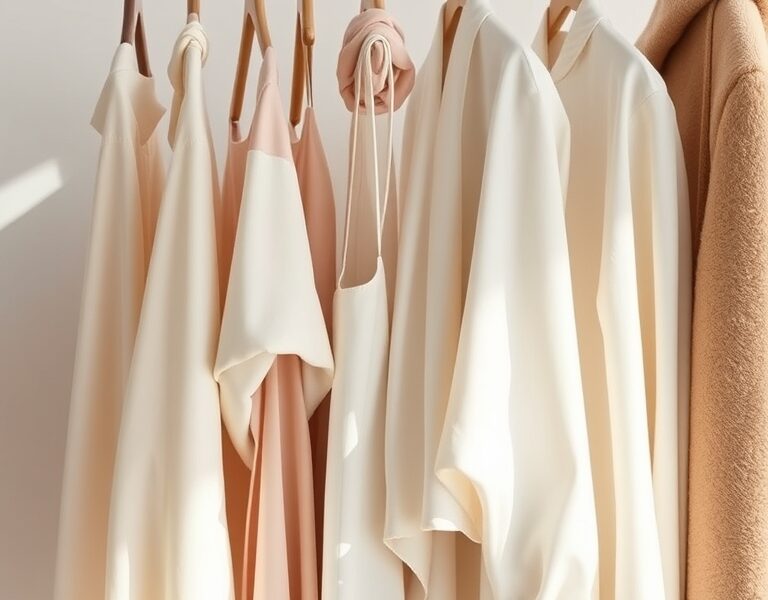
When you strip a wardrobe down to a single hue, every piece becomes a statement of intent. Monochrome outfit ideas are more than a trend; they’re a design philosophy that turns a pile of clothes into a curated, high‑end look without the price tag of couture. By focusing on silhouette, fabric, and proportion, you can create a polished ensemble that feels both effortless and deliberate.
The Fundamental Difference Between Monochrome and Tonal Dressing
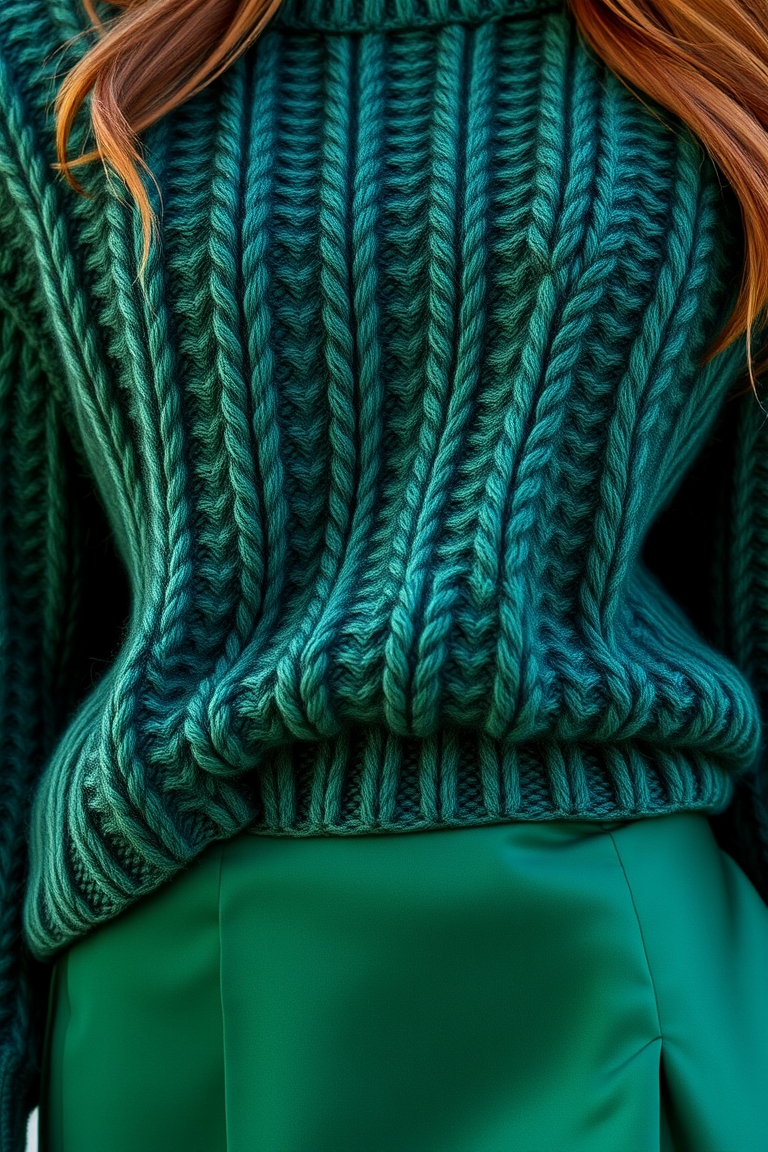
In the world of color theory, monochrome means a single, exact shade worn from head to toe. It’s a bold, high‑fashion move that creates a clean vertical line and often elongates the wearer. Tonal dressing, on the other hand, uses a spectrum of shades, tints, and tones within the same color family. Think of a chocolate‑brown trouser paired with a camel coat and a tan blouse. The gradient effect adds depth while keeping the look cohesive.
Choosing between a strict single shade and a tonal palette is the first design decision you’ll make. Each approach offers a different visual language: monochrome delivers a dramatic, unified silhouette, while tonal dressing provides a subtle, layered sophistication.


How to Master a One‑Color Outfit Without Looking Flat
The most common fear with a single‑color look is that it will feel like a costume. The key to avoiding that flatness is texture. When color contrast is removed, tactile contrast must fill the void. A monochrome outfit made entirely of matte cotton will look dull; the same color in silk, wool, and leather will feel dynamic.
Mixing Fabrics for Depth
Here are four texture pairings that work across most color families:
- Silk and Wool: Pair a heavy, oversized wool sweater with a flowing silk slip skirt. The weight of the wool anchors the lightness of the silk, creating a balanced silhouette.
- Leather and Cashmere: A sleek leather pant combined with a soft cashmere turtleneck offers a sharp‑edge meets cozy dialogue.
- Denim and Lace: For a relaxed yet refined vibe, layer a denim button‑down over a lace‑trimmed camisole or skirt in the same hue.
- Satin and Suede: Satin’s glossy sheen contrasts with suede’s matte finish, preventing the outfit from collapsing into a single blob.
Playing with Proportions
With color uniform, the shape of your garments becomes the star. Use the Rule of Balance: if you’re wearing wide‑leg trousers in a monochrome palette, keep the top fitted. Conversely, pair a voluminous blazer with slim‑fit trousers or a pencil skirt to avoid overpowering the frame.
Monochrome Outfit Ideas for Every Color Palette
Color choice sets the mood of your look. Below are practical examples for neutrals, black, and bold hues.
The Power of Neutrals: White, Cream, and Beige
Neutral monochromes exude quiet luxury. All‑white or cream ensembles feel clean and polished. Don’t worry about perfect color matching—mixing a stark white shirt with a cream‑ivory blazer often looks more organic. For instance, pair a cream wide‑leg trouser with a beige knit polo and a white oversized blazer; the subtle tonal shift creates an airy, high‑end gradient.
The Timelessness of All‑Black
Black is the safest entry point, but it’s easy to fall into mismatched undertones. A black leather jacket over a black cotton tee and black denim is a classic because the textures keep the look from feeling flat. To modernize, try a black oversized suit with a sheer black organza blouse underneath; the sheer layer adds visual interest while maintaining the monochrome integrity.
Bold Hues: Red, Blue, and Green
Choosing a bright color for a monochrome look is a confidence statement. Tonal dressing often feels safer with bold hues. For a blue ensemble, pair navy trousers with a cornflower blue shirt and a slate blue coat. The gradient keeps the look from feeling costume‑like while preserving the single‑color narrative.
Seasonal Transitions for Monochromatic Styling
Monochrome styling is versatile across seasons. Layering and fabric choice adapt the look to the weather.
Spring and Summer
Opt for breathable fabrics like linen and cotton. A monochromatic linen set—think a relaxed button‑down and matching shorts in soft sage green—works well in warm weather. Lighter tones such as mint, lavender, or pale yellow reflect sunlight and keep the look fresh. Keep accessories in the same family or neutral (gold or tan leather) to maintain flow.
Autumn and Winter
Layering is essential. Start with a base layer, add a mid‑layer like a cardigan or vest, and top with a heavy overcoat. For a winter look, try a palette of greys: charcoal trousers, a heather grey sweater, and a light grey wool coat. The range of grey tones adds depth that feels cozy yet professional.
The Role of Accessories in a Single‑Color Look
Accessories can either anchor the look or provide a subtle break. Two strategies work best: the “Seamless Approach” and the “Accent Approach.”
The Seamless Approach
When shoes, bag, and belt match the outfit’s color, the look feels formal and elongated—ideal for petite frames. For example, a forest‑green suit complemented by forest‑green pumps and a matching tote creates a cohesive architectural feel.
The Accent Approach
If the look feels too monochromatic, add a touch of contrast. Metallic jewelry (gold or silver) serves as a neutral brightener. Alternatively, choose a bag or belt in a shade one step lighter or darker than the outfit; this subtle shift breaks up the solid block without breaking the color narrative. For more inspiration on coordinating your wardrobe, explore professional style tips to refine your personal aesthetic.
Common Mistakes to Avoid
- Ignoring Undertones: Colors have undertones. Pairing a cool red with a warm red can create a visual clash. Stick to one temperature per outfit.
- Over‑Accessorizing: When color is the statement, excess accessories clutter the look. Keep jewelry minimal and let the silhouette speak.
- Neglecting Fit: Without color breaks to distract, poor tailoring stands out. Ensure every piece fits perfectly; a sagging waist or overly long sleeves become obvious in a monochrome look.
- Fear of Contrast: Over‑matching can flatten the ensemble. Remember, harmony trumps exact duplication.
Step‑by‑Step Guide to Building Your First Monochrome Look
- Pick Your Base Color: Start with a hue you own multiple pieces of. Neutrals are safest for beginners.
- Select Your Anchor Piece: Choose the item you love most—perhaps a tailored trouser or a favorite midi skirt.
- Add a Contrasting Texture: If your anchor is smooth, pick a top that’s textured (knit, lace, or tweed).
- Layer for Dimension: Add a third piece—like a blazer or cardigan—in a slightly different shade of the same color.
- Finalize with Footwear: Choose shoes that either match the color exactly to elongate the leg or a neutral nude/metallic to keep it light.
The Psychology of Color in Monochromatic Fashion
Colors send subconscious signals. Understanding the psychology of color can help you dress for the mood or the meeting you have scheduled.
- Navy Blue: Conveys trust, authority, and stability—ideal for corporate settings.
- Emerald Green: Suggests luxury, growth, and sophistication—great for evening events or creative roles.
- Burgundy/Wine: Projects power and elegance—an upscale alternative to red.
- Soft Grey: Communicates neutrality, balance, and calm—perfect for days when you want to blend in while staying put‑together.
Frequently Asked Questions
What are some easy monochrome outfit ideas for beginners?
The easiest entry point is the “neutral sandwich”: pair a white tee with light‑wash blue jeans and a white blazer or cardigan. Once comfortable, move to a tonal look using different shades of beige or grey—these are naturally easier to coordinate than bright colors.
Does wearing one color make you look thinner?
Generally, yes. A single, uninterrupted vertical line of color guides the eye up and down, preventing visual breaks that can make the body appear segmented. This effect creates a slimming, lengthening illusion.
Can I wear patterns with a monochrome look?
Absolutely. The pattern must stay within the same color family. A navy and light‑blue striped shirt with navy trousers adds texture without breaking the monochrome theme.
How do I stop a monochrome outfit from looking boring?
Always play with texture and proportion. Mix a chunky knit with a sleek satin, or pair a structured blazer with flowing wide‑leg pants. Adding a metallic accessory or a shoe in a slightly different shade of the same color also prevents the look from feeling one‑dimensional.
Which colors are best for tonal dressing?
Earth tones—browns, tans, olives—and cool tones—blues, greys, purples—offer a wide range of natural shades that blend seamlessly, making them ideal for tonal dressing.
Leave a Reply