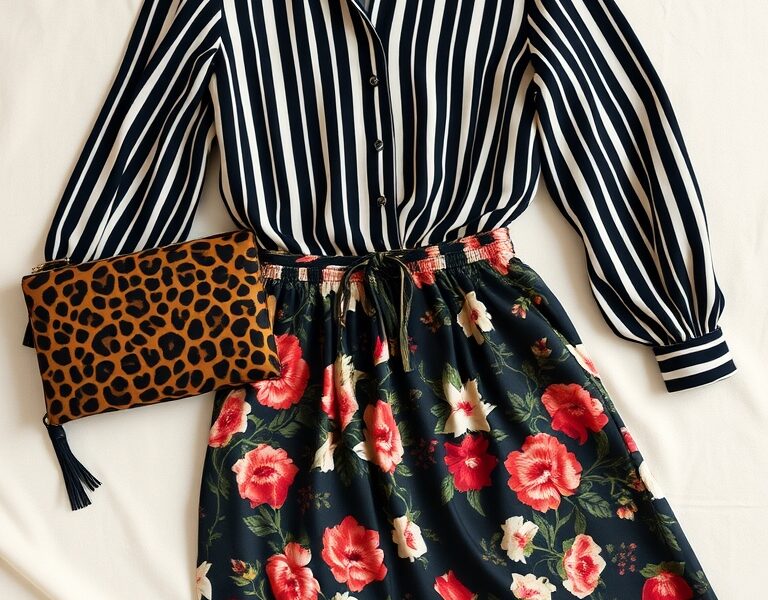
Pattern mixing is the art of turning a wardrobe from ordinary to unforgettable. It’s not about random clashes; it’s about intentional tension that feels curated. In this guide, we’ll walk through the fundamentals, share insider tricks, and give you a step‑by‑step recipe so you can confidently mix prints without looking like a costume.
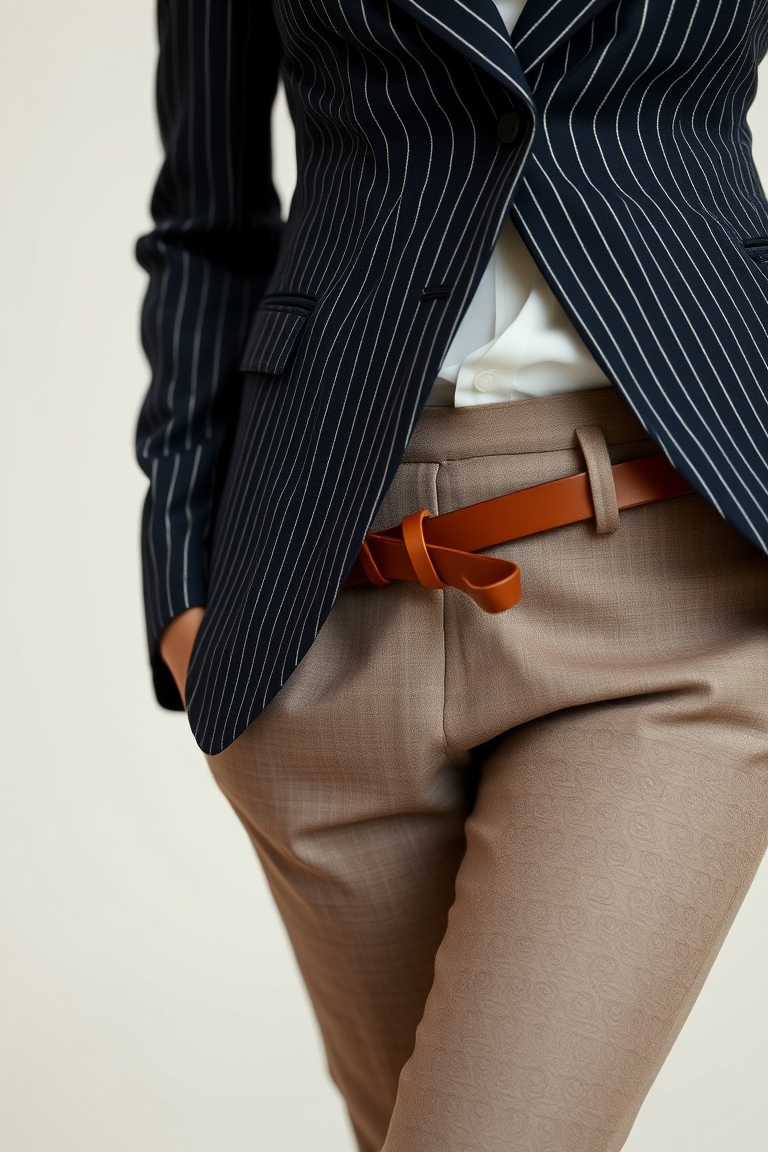
1. The Core Principles of Print Mixing
Think of each print as a musical note. When you layer them, you want a harmony, not a cacophony. The three pillars that keep any mixed‑print outfit balanced are color, scale, and anchor.
• Color: The Silent Anchor
Even if the patterns differ wildly, a shared hue ties them together. If you’re wearing a navy‑and‑white striped blouse, a floral skirt that includes navy will feel cohesive. It’s the invisible thread that tells the eye, “These belong together.”


• Scale: The Visual Hierarchy
Large prints demand attention; small prints whisper. Pair a bold, wide stripe with a delicate, fine floral to create a clear focal point. Mixing two prints of the same size can make the outfit feel chaotic, like two loud speakers playing at the same volume.
• Anchor: The Grounding Element
Choose one piece to be the “hero.” The rest of the outfit should support it, either by echoing its colors or by providing contrast. A large leopard‑print coat, for example, can be paired with a subtle polka‑dot blouse that shares a muted beige tone.
2. Classic Pairings That Never Fail
Some combinations work because of the inherent contrast between the patterns. Below are a few tried‑and‑true pairings that will feel fresh whether you’re at the office or on a weekend brunch.
Stripes & Florals
Linear and organic, these two are like yin and yang. A pinstripe blazer over a muted floral dress balances structure with softness. For a daytime look, pair a navy pinstripe top with a pastel floral midi skirt.
Animal Prints & Geometrics
Leopard or zebra prints act as neutral canvases in the modern wardrobe. Combine a tan leopard skirt with a black‑and‑white windowpane top for a runway‑ready vibe. The animal print softens the rigidity of the geometric lines.
Polka Dots & Plaid
Polka dots bring playfulness, while plaid adds a touch of sophistication. A large polka‑dot blouse tucked into a subtle plaid trouser creates a balanced, high‑fashion look that’s far from juvenile.
3. Step‑by‑Step: Building Your First Mixed‑Print Ensemble
- Choose Your Hero Piece. Pick the print that makes you feel most alive. It could be a tropical‑print dress, a bold leopard jacket, or a graphic tee.
- Identify the Anchor Color. From the hero piece, isolate a secondary color that isn’t the dominant tone. This will become the bridge to your second print.
- Select a Contrasting Scale. If your hero is large, look for a smaller pattern—think a fine paisley or a tiny polka dot.
- Insert a Solid Break. A belt, a neutral bag, or a simple white tee can act as a visual palate cleanser, preventing the prints from bleeding into each other.
- Reassess in the Mirror. Step back. If one print feels overpowering, swap it for a piece with a softer tone or a different scale.
4. Advanced Techniques for the Confident Mix‑er
Once you’re comfortable with the basics, it’s time to push the envelope. These techniques are for those who want to add depth and sophistication to their outfits.
Mixing Three Prints
Three prints can work if you follow the large, medium, small rule. For example, a large floral skirt, a medium striped blouse, and a small leopard‑print scarf. Keep a shared color thread—perhaps a muted teal—to tie them together.
Texture Play
Prints aren’t just visual; they’re tactile. Pair a heavy, tweed‑printed blazer with a light, chiffon floral top. The contrast in weight adds a subtle layer of intrigue that color alone can’t achieve.
Monochrome Mixing
When color is intimidating, try mixing prints in the same hue. A black‑and‑white striped tee with a black‑and‑white polka‑dot skirt shifts the focus to shape and rhythm, creating a clean, modern aesthetic.
5. Common Pitfalls and How to Dodge Them
- Same‑Scale Prints. Two small polka dots and a tiny floral can look like a visual noise.
- Neon Overload. Neon on neon is bold, but it’s usually best reserved for avant‑garde contexts.
- Accessory Overkill. When you’ve already mixed patterns, keep shoes and bags solid.
6. Print Mixing Across Dress Codes
Pattern mixing isn’t limited to the runway. Here’s how to adapt it to various settings.
Corporate Settings
Opt for low‑contrast mixes. A charcoal‑grey pinstripe blouse with a subtle black‑and‑white check can be office‑ready. Keep the scale modest and the colors muted.
Casual Weekend Wear
Feel free to experiment. Pair a graphic tee with a printed midi skirt, or throw a leopard‑print cardigan over a striped summer dress. The relaxed vibe allows for bolder combinations.
Evening & Formal Events
Luxury fabrics win. A metallic brocade with a subtle lace overlay is technically a print mix that feels opulent. Stick to deep jewel tones or classic black‑and‑gold for a sophisticated palette.
7. The Psychology Behind Bold Pattern Mixing
When you wear a mixed‑print outfit, you’re making a statement of confidence and creativity. It signals that you’re comfortable in your skin and willing to take a risk. This self‑assurance translates into posture, gait, and overall presence—qualities that elevate any look.
8. Final Takeaway
Pattern mixing is a dialogue between colors, shapes, and textures. By grounding your outfit in a shared hue, respecting scale, and adding a solid anchor, you can create looks that feel intentional and polished. Once you master the basics, the rules become your playground. Experiment, play, and let your personal style shine through.
Frequently Asked Questions
How can I mix prints without making my outfit look chaotic?
Start with a shared color and vary the scale. Use a solid-colored belt or bag to separate the patterns, giving each print its own breathing room.
Is it okay to pair leopard print with other patterns?
Yes—leopard is a versatile neutral. Pair it with stripes, polka dots, or geometric prints, ensuring the color palette stays cohesive.
What are the safest prints for beginners?
Foundation prints like stripes, simple polka dots, and basic animal prints are the most forgiving. They pair well with more complex patterns such as florals or paisley.
Can I wear more than two prints at once?
Three prints are possible if you follow the large‑medium‑small rule and keep a common color thread. For most people, two prints are a safe starting point.
Do I need a solid color piece in a mixed‑print outfit?
Not mandatory, but a solid-colored accessory or garment can act as a visual reset, preventing the outfit from becoming overwhelming.
To explore more curated style tips, visit Fashion Valet. For a deeper dive into the history of textile design, check out the Wikipedia page on textile design.
Leave a Reply