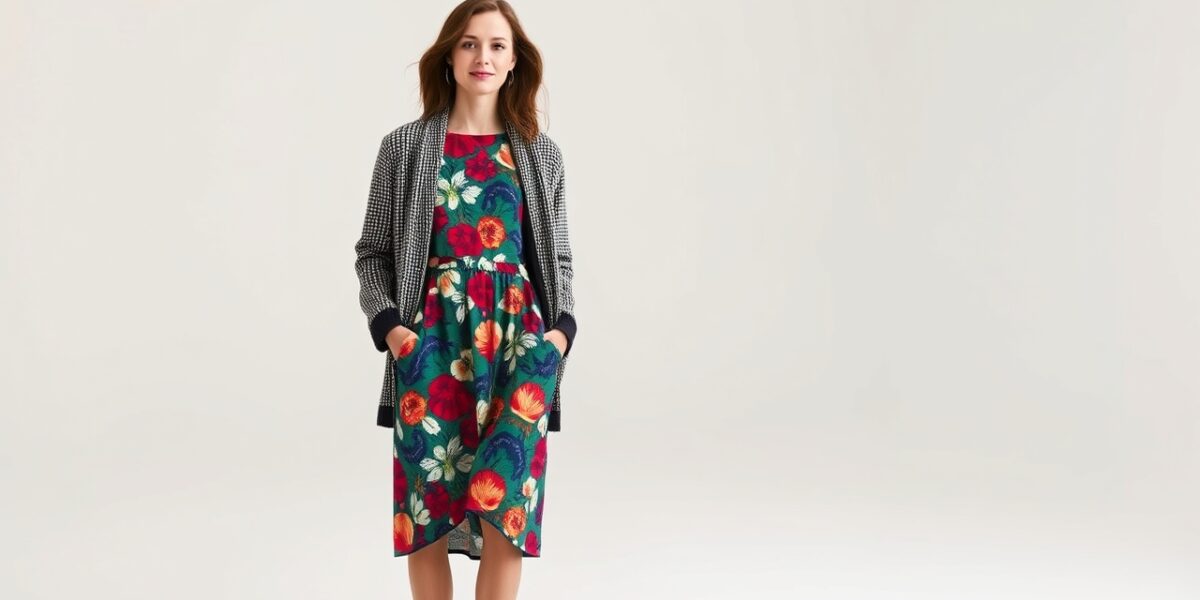
How to mix prints in an outfit can be a game‑changer for your wardrobe, but it requires a clear strategy and a touch of confidence.
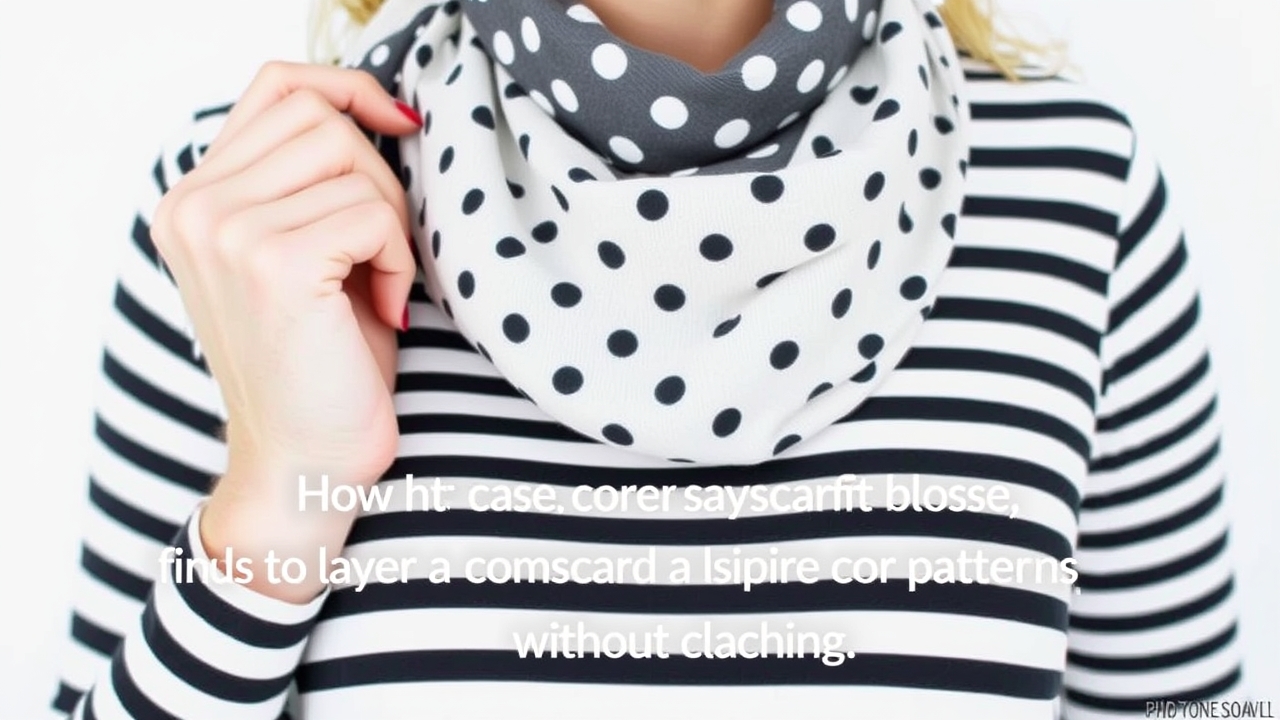
How to Mix Prints in an Outfit: The Basics
When you first think about mixing prints, the instinct is often to avoid it altogether. Yet, with the right approach, a bold combination of patterns can become a signature look that turns heads. The key lies in balance, scale, and a shared color palette.
Mixing Prints: Key Rules
Below are the foundational rules that will keep your ensemble cohesive, even when you’re layering multiple patterns.


- Choose a Dominant Print. Pick one pattern to lead the outfit—usually the largest or most visually striking element.
- Keep the Color Story Simple. Stick to two to three colors that appear in each pattern. A shared hue or a neutral tone acts as glue.
- Vary the Scale. Combine a large print with a smaller one to create visual interest without overwhelming the eye.
- Introduce Neutrals. A solid color or a subtle pattern can act as a buffer between two prints.
- Match the Theme. If one pattern is floral, another can be botanical or abstract but still echo the same motif.
Pattern Mixing Tips
Once you’ve mastered the rules, you can start experimenting bible level with the following techniques.
- The Color Anchor. Pick a color that appears in each pattern and let it anchor the look. For example, a navy polka dot blouse paired with a teal striped skirt will feel intentional.
- Layering with Texture. Combine silky silk with a rough canvas jacket. Texture adds depth and keeps patterns from clashing.
- Use Accessories as a Bridge. A patterned scarf, belt, or handbag can tie two prints together without requiring a full garment in each pattern.
- Play with Proportions. A small polka dot pocket square can complement a large floral dress while keeping the overall look balanced.
Print Clashing Style: Avoiding Mistakes
Even with a solid plan, it’s easy to slip into print clashing. Watch out for these common pitfalls:
- Too Many Colors. If each pattern uses a different color palette, the look can feel chaotic.
- Similar Patterns on the Same Surface. Two similar floral prints on the same garment often clash; instead, pair a floral with stripes or geometric shapes.
- Neglecting Scale. A tiny pattern next to a huge one can look mismatched; balance the scale throughout the outfit.
- Ignoring Fabric Weight. Heavy fabrics in one print and light fabrics in another can create a visual imbalance.
Step‑by‑Step Guide to Mixing Prints
Let’s walk through a practical example using a summer dress, a cardigan, and a pair of shoes.
- Start with the Dress. Choose a dress with a moderate print—think a subtle paisley. This will be your dominant pattern.
- Add a Cardigan. Pick a cardigan in a solid color that matches one of the hues in the dress. For instance, a teal cardigan that shares the teal from the paisley.
- Incorporate a Print Accessory. A printed scarf that repeats the paisley motif but in a smaller scale will reinforce the theme without overwhelming.
- Finish with Shoes. Opt for neutral or a single‑color shoe that complements the overall palette. Avoid adding a third print on the shoes.
- Check the Color Flow. Step back and ensure that the dominant color threads through each element—this creates cohesion.
Real‑World Examples
- Office Look: A charcoal pinstripe blazer over a pastel floral blouse, paired with a solid navy skirt. The blazer’s subtle stripes act as a buffer between the blouse’s florals and the skirt.
- Weekend Casual: A denim jacket with a small houndstooth pattern over a large tropical print tee, finished with solid white sneakers. The jacket’s pattern is tiny enough not to compete with the tee.
- Evening Event: A silk satin dress with a bold geometric print, complemented by a lace cardigan in a muted shade of the dress’s color. The lace adds texture without adding another pattern.
When to Avoid Mixing Prints
There are occasions when sticking to a single print—or even a solid color—is safer. For formal events, or when you’re unsure of the setting, a single‑pattern look often feels more polished.
Understanding Pattern Types
Knowing the family of each pattern helps you pair them intelligently. Below are the most common types and how they interact.
Stripes
Vertical stripes elongate, horizontal stripes widen, and diagonal stripes add dynamic energy. Pair vertical stripes with florals for a balanced contrast, or mix horizontal stripes with polka dots for a playful vibe.
Florals
From delicate daisies to bold tropical vines, florals are versatile. Combine a small‑scale floral with a larger geometric pattern to keep the eye from wandering too far.
Geometric
Squares, triangles, and abstract shapes work well with both florals and stripes. Their clean lines provide a counterpoint to the organic curves of florals.
Plaid & Argyle
These patterns are essentially a mix of stripes and squares. They pair nicely with simple polka dots or subtle animal prints.
Polka Dots
Classic and timeless. Small dots can be paired with bold patterns, while large dots go best with solid colors.
Animal Prints
Lions, zebras, and snakeskin add an edge. Keep the rest of the outfit minimal to let the animal print stand out.
Color Coordination Deep Dive
Color is the glue that holds multiple prints together. Here’s how to master it:
- Shared Hue Rule. Pick a single color that appears in each pattern. This creates a visual thread.
- Analogous Palette. Use colors next to each other on the color wheel—like teal, turquoise, and aqua—for a harmonious look.
- Monochrome With a Twist. Stick to one color family but vary saturation and brightness. A deep burgundy tee with a lighter burgundy skirt works beautifully.
- Neutral Anchor. If you’re mixing bright patterns, include a neutral piece (black, white, beige) to ground the look.
Pattern Mixing for Different Body Types
Pattern placement can flatter or flatter your silhouette. Here’s a quick guide:
- Hourglass. Emphasize the waist with a waist‑tight top in a medium print and pair with a flowing skirt in a larger print.
- Apple. Opt for a vertical stripe top to elongate the torso, and pair with a solid or small‑print bottom.
- Pear. Highlight the upper body with a bold floral blouse, and keep the lower half in a neutral or subtle pattern.
- Rectangular. Use patterns to create curves—think a patterned blazer over a solid top to add shape.
Seasonal Pattern Mixing Tips
Patterns can feel out of place if they don’t match the season. Here’s how to adapt:
- Spring. Light florals and pastel stripes. Pair with airy fabrics like chiffon.
- Summer. Tropical prints, bright polka dots, and bold geometric shapes. Use breathable cotton or linen.
- Fall. Earth‑tone plaids, muted animal prints, and subtle paisleys. Layer with wool or tweed.
- Winter. Dark florals, heavy stripes, and intricate geometric patterns in velvet or cashmere.
Common Mistakes and How to Fix Them
Even seasoned pattern lovers slip up. Here are fixes for the most frequent errors:
- Too Many Patterns. If you’re unsure, start with two patterns and add a third only if you can anchor it with color.
- Pattern Overlap. Avoid placing two similar patterns on the same garment; instead, mix on separate pieces.
- Ignoring Proportion. Keep the dominant pattern larger. A small print should never dominate a large one.
- Fabric Mismatch. Pair a lightweight silk with a thick wool; the weight difference can feel jarring.
- No Neutral. A neutral piece like a black blazer or white tee helps reset the eye and prevents overwhelm.
Tools and Resources
To streamline your pattern mixing, consider these tools:
- Pattern Palette Apps. Apps like Pattern Palette let you upload images and extract color schemes.
- Fabric Swatch Books. Keep a small book of fabric swatches to test color harmony before buying.
- Wardrobe Audits. Every six months, review your wardrobe and identify which patterns work together.
- Online Communities. Join Instagram hashtags like #PrintMixing or Pinterest boards for inspiration.
- Print Mix Guides. Many designers publish free PDF guides—search for “pattern mixing cheat sheet” online.
DIY Pattern Mixing: Upcycling and Customization
Want to create your own pattern mix? Here are DIY hacks:
- Patchwork Denim. Cut a denim jacket and add a floral patch on one sleeve.
- Print Transfer. Use iron‑on transfers to add a small polka dot design to a plain tee.
- Fabric Dyeing. Dye a solid shirt in a color that matches a pattern you own.
- Layering Scarves. Combine a striped scarf with a floral one for a subtle layered look.
- Accessorize. A patterned belt can tie together a solid dress and a printed skirt.
FAQs
- How to mix prints in an outfit without clashing? Start with a dominant print, keep the color palette limited, vary the scale, and use neutrals or accessories to tie the look together. For instance, a navy polka dot blouse paired with a teal striped skirt, anchored by a teal cardigan, creates a cohesive flow.
- Can I mix floral and stripes? Yes—just ensure the colors align and keep the scale balanced. A small floral blouse under a wide‑striped blazer works beautifully, especially if the stripes are vertical to elongate the torso.
- Is it okay to mix patterns on the same garment? Only if the patterns are similar in scale and color; otherwise, it often looks busy. A striped shirt with a tiny polka dot pattern on the collar can work, but avoid a large floral overlay.
- What about mixing prints in a monochrome outfit? Monochrome outfits can handle pattern mixing well; just make sure the patterns share a color family. A black and white polka dot dress with a subtle gray striped scarf keeps the look unified.
- Where can I learn more about pattern mixing? For a deeper dive, check out the pattern design page on Wikipedia. Additionally, explore fashion blogs, YouTube channels dedicated to styling, and the FashionValet site for curated lookbooks.
For more style inspiration, visit FashionValet and discover how to elevate your wardrobe with confidence.
Leave a Reply