Harnessing the Power of Renewable Energy: A Comprehensive Guide
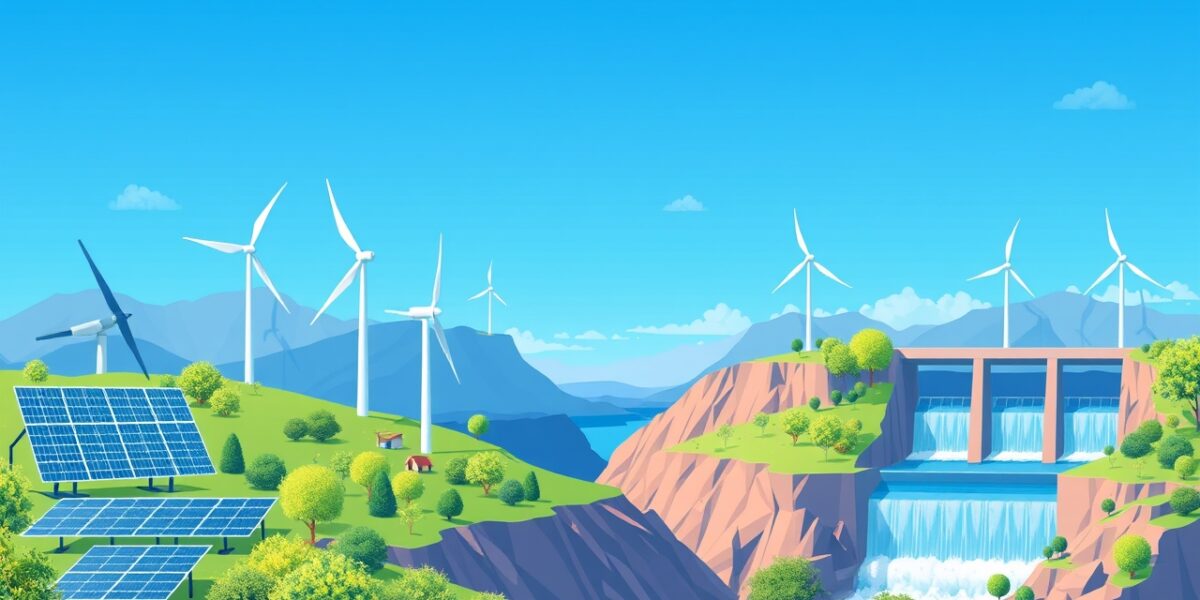
For centuries, human civilization has relied on finite resources—fossil fuels, coal, oil, and natural gas—to power industry, transportation, and everyday life. As the planet’s climate shifts, the urgency to transition to cleaner, more sustainable energy sources has never been greater. Renewable energy, derived from naturally replenishing processes such as sunlight, wind, water flow, and biological matter, offers a pathway to reduce greenhouse gas emissions, enhance energy security, and foster economic growth. This guide provides an in-depth exploration of the main renewable technologies, their integration into modern power systems, the policies that drive adoption, and the future trends that will shape the global energy landscape.
Types of Renewable Energy
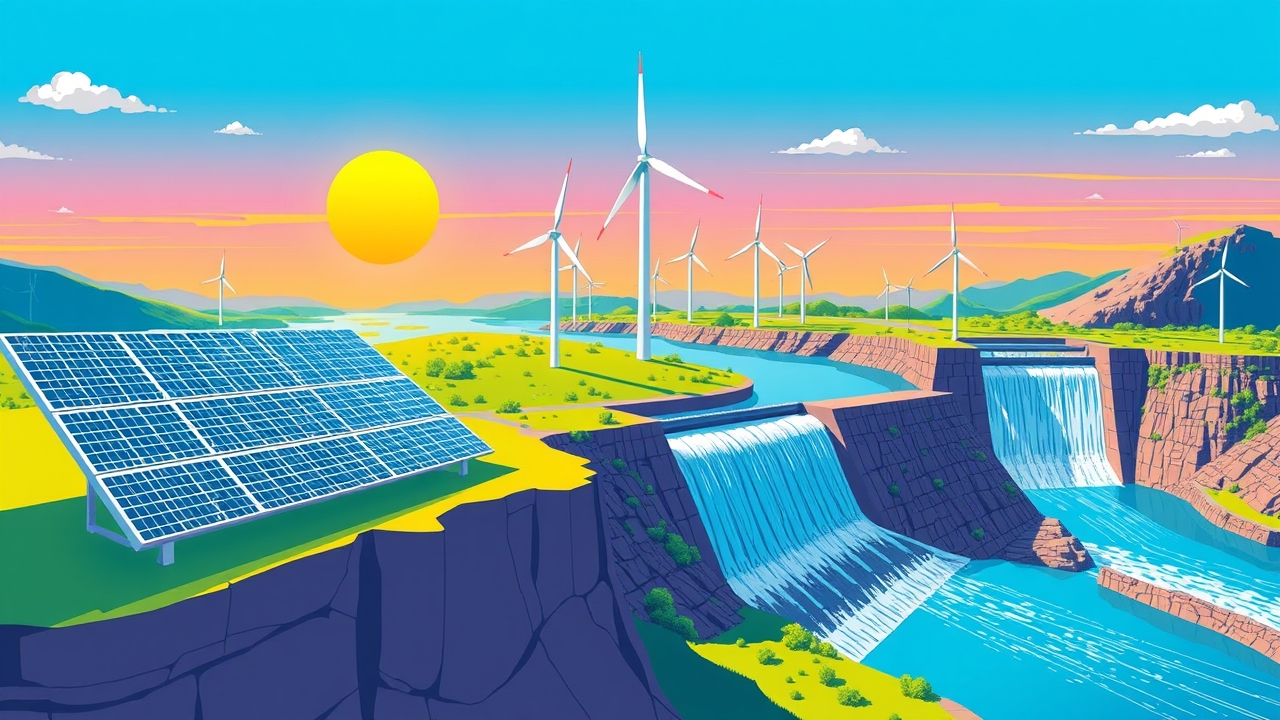
Renewable energy encompasses a broad spectrum of technologies, each harnessing a different natural resource. Solar photovoltaics capture photons from the sun to generate electricity, while concentrated solar power systems use mirrors to focus sunlight onto heat exchangers, producing steam that drives turbines. Wind turbines convert kinetic energy from air currents into electricity, and the scale ranges from small residential units to massive offshore farms. Hydropower, the most established renewable source, uses the gravitational force of falling water to spin turbines, whereas tidal and wave energy capture the rhythmic motion of the sea. Biomass technologies convert organic materials—wood chips, agricultural residues, and even municipal waste—into heat, electricity, or biofuels. Finally, geothermal energy taps the Earth’s internal heat, either through shallow ground-source heat pumps or deep geothermal power plants that extract steam from hot reservoirs beneath the surface.
Solar Power
Solar energy has experienced exponential growth over the past decade, driven by falling panel costs, improved efficiency, and supportive government policies. Photovoltaic (PV) cells, typically made from silicon, convert sunlight directly into electricity through the photovoltaic effect. Today’s commercial panels achieve efficiencies of 20–25%, with research prototypes exceeding 30%. Solar farms, spanning acres of land, can generate megawatts of power, while rooftop installations provide distributed generation for homes and businesses. In addition to electricity, solar thermal technologies—such as parabolic troughs and solar ponds—produce heat for industrial processes or district heating systems. The scalability of solar, coupled with its minimal operational footprint, makes it a cornerstone of many countries’ renewable strategies.



Wind Energy
Wind power has matured from a niche technology to a global industry, with over 700 gigawatts of installed capacity worldwide. Modern wind turbines, ranging from 2 to 5 megawatts, feature blades that can extend 80 meters or more, capturing wind energy with remarkable efficiency. Offshore wind farms, situated in deep waters with consistent wind speeds, have become particularly attractive, offering higher capacity factors and reduced visual impact. Advances in blade materials, aerodynamic design, and predictive maintenance have lowered costs and increased reliability. Coupled with energy storage solutions, wind power can provide a flexible, dispatchable resource that complements intermittent sources like solar.
Hydropower
Hydropower remains the largest single source of renewable electricity, contributing roughly 16% of global power generation. Traditional large dams, such as the Three Gorges in China or the Hoover Dam in the United States, harness the kinetic energy of falling water to drive turbines. Run-of-river projects, which divert a portion of a river’s flow without large reservoirs, offer lower environmental impacts. Emerging technologies like pumped-storage hydro and micro-hydro systems provide grid balancing and localized power generation, respectively. While hydropower’s environmental footprint—particularly regarding river ecosystems and displaced communities—has prompted stringent environmental assessments, careful design and community engagement can mitigate adverse effects.
Biomass
Biomass energy leverages organic matter, ranging from agricultural residues to dedicated energy crops, to produce heat, electricity, and liquid fuels. Combustion of biomass releases stored carbon, but when sourced sustainably, the net emissions can be near zero, as the plants absorb CO₂ during growth. Advanced processes such as gasification and anaerobic digestion convert biomass into syngas or biogas, which can be upgraded to renewable natural gas or used directly for power generation. Biomass also supports circular economy principles by converting waste streams into valuable energy, reducing landfill use, and providing rural employment opportunities.
Geothermal
Geothermal energy taps the Earth’s internal heat, offering a stable, baseload power source that is both reliable and low in emissions. Shallow ground-source heat pumps extract heat from the ground for heating and cooling buildings, while deep geothermal plants drill into hot reservoirs to generate electricity. Countries like Iceland and the Philippines have long harnessed geothermal resources, achieving significant portions of their electricity from this source. Ongoing research into enhanced geothermal systems—wherein artificial reservoirs are created by injecting fluids into hot rock formations—holds promise for expanding the geographic reach of geothermal power.
Integration Challenges
While renewable technologies have advanced dramatically, their integration into existing power grids presents complex challenges. Intermittency—especially for solar and wind—creates variability that can destabilize supply if not managed. Traditional grids were designed for steady, controllable generation from large central plants; the distributed, variable nature of renewables requires sophisticated forecasting, real-time monitoring, and flexible demand management. Moreover, transmission infrastructure often lags behind renewable deployment, as large-scale resources are frequently located in remote, resource-rich regions far from population centers. Upgrading transmission lines, implementing smart grid technologies, and deploying energy storage—such as batteries, pumped hydro, or compressed air systems—are critical to smoothing supply fluctuations and ensuring reliability.
Grid Modernization
Modernizing the grid involves integrating digital controls, advanced metering infrastructure, and automated protection systems. Smart meters provide granular consumption data, enabling utilities to implement time-of-use pricing and demand response programs that shift load away from peak periods. Grid-scale batteries can store excess renewable output during low demand and release it when demand spikes, effectively acting as a virtual power plant. Additionally, microgrids—localized networks that can operate independently—enhance resilience, especially in disaster-prone regions. The convergence of the Internet of Things (IoT) and artificial intelligence (AI) facilitates predictive maintenance, anomaly detection, and optimized dispatch of distributed energy resources.
Policy and Incentives
Government policy plays a pivotal role in accelerating renewable adoption. Feed-in tariffs, tax credits, and renewable portfolio standards create financial incentives that lower the cost of capital for renewable projects. The U.S. federal Investment Tax Credit (ITC) for solar and the Production Tax Credit (PTC) for wind have been instrumental in driving deployment. In Europe, the European Union’s Clean Energy Package sets binding targets for member states, while the International Renewable Energy Agency (IRENA) promotes best practices and technology transfer. Public procurement programs, such as renewable energy auctions, foster competition and drive down prices. Additionally, carbon pricing mechanisms—cap-and-trade systems or carbon taxes—internalize the environmental cost of fossil fuels, making renewables more competitive.
Economic Impact
Renewable energy not only mitigates climate change but also stimulates economic development. The sector has created millions of jobs worldwide, from manufacturing and installation to research and policy analysis. In the United States, shortage of skilled labor in the solar and wind industries has prompted investment in training programs and apprenticeships. Moreover, the declining cost of renewables has reduced the overall cost of electricity in many regions, providing savings for consumers and businesses. In developing countries, off-grid solar solutions have extended electricity access to remote communities, fostering educational opportunities and health improvements. The transition to a low-carbon economy also invites foreign direct investment in clean technologies, positioning countries as leaders in the emerging green economy.
Future Trends
Looking ahead, several emerging trends are poised to shape the renewable energy landscape. Energy storage technologies—particularly solid-state batteries and flow batteries—are expected to become more affordable, enhancing grid flexibility. Artificial photosynthesis and advanced solar cells, such as perovskite and tandem designs, promise higher efficiencies and lower manufacturing costs. Offshore wind is set to expand rapidly, with floating turbines enabling deployment in deeper waters. Digital twins—virtual replicas of physical assets—will enable real-time optimization of renewable plants. Additionally, the integration of electric vehicles (EVs) into the grid, through vehicle-to-grid (V2G) technologies, can provide distributed storage and load balancing. Finally, the convergence of climate finance mechanisms, such as green bonds and climate funds, will accelerate investment in renewable infrastructure worldwide.
Conclusion
Renewable energy stands at the forefront of the global effort to combat climate change, reduce air pollution, and secure a sustainable future. While challenges remain—particularly around grid integration, infrastructure investment, and policy coherence—the rapid technological advancements, falling costs, and growing public support signal a transformative shift in how we generate and consume power. By embracing a diversified renewable portfolio, modernizing grid infrastructure, and fostering supportive policies, societies can unlock the full potential of clean energy, creating resilient economies and healthier communities for generations to come.
For further reading, see related references on Wikipedia.
Leave a Reply