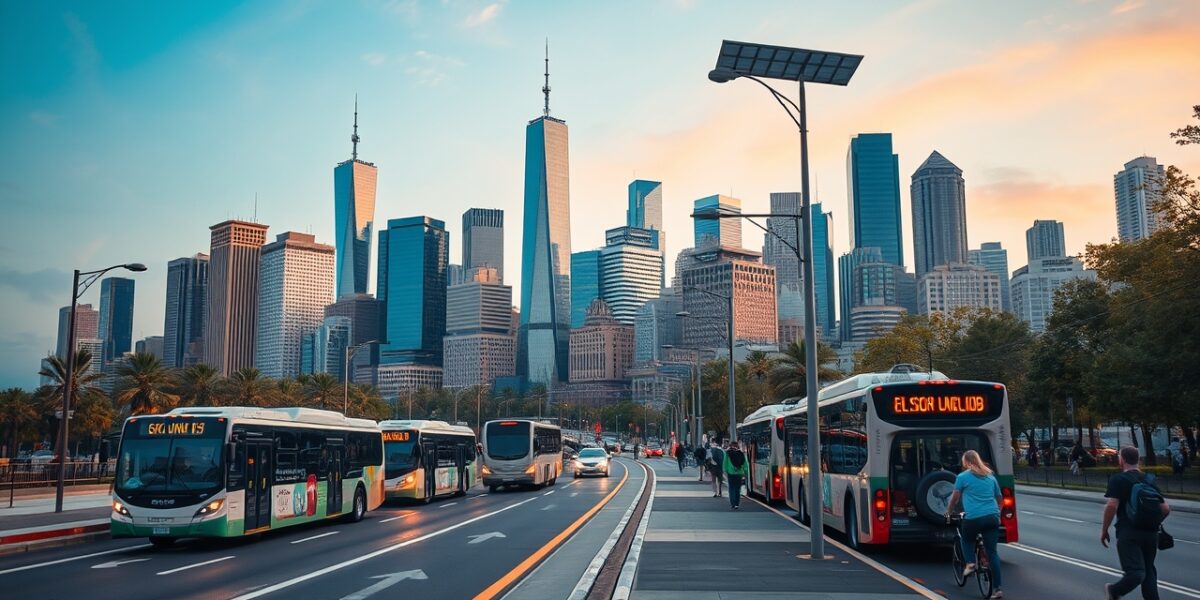
The Future of Sustainable Urban Transportation
Urban centers around the globe are at a crossroads. Rapid population growth, climate change, and the need for equitable access to services are forcing city planners to rethink how people move through streets, avenues, and boulevards. Sustainable urban transportation—defined as the integration of low‑emission vehicles, active mobility infrastructure, and smart mobility services—has emerged as a key strategy for reducing greenhouse gas emissions, improving public health, and fostering inclusive communities.
1. The Growing Imperative for Change
Transportation accounts for roughly 28% of global CO₂ emissions, with a significant portion stemming from private vehicles and diesel‑powered buses. In densely populated cities, congestion not only increases travel times but also amplifies air pollution and noise. The Paris Agreement and the United Nations Sustainable Development Goals (SDGs) have set ambitious targets for emissions reductions, placing pressure on municipalities to adopt greener transit solutions. Moreover, the COVID‑19 pandemic has highlighted the importance of resilient, flexible transportation networks that can adapt to changing travel patterns and public health needs.
2. Electric Buses: Powering the Mass Transit
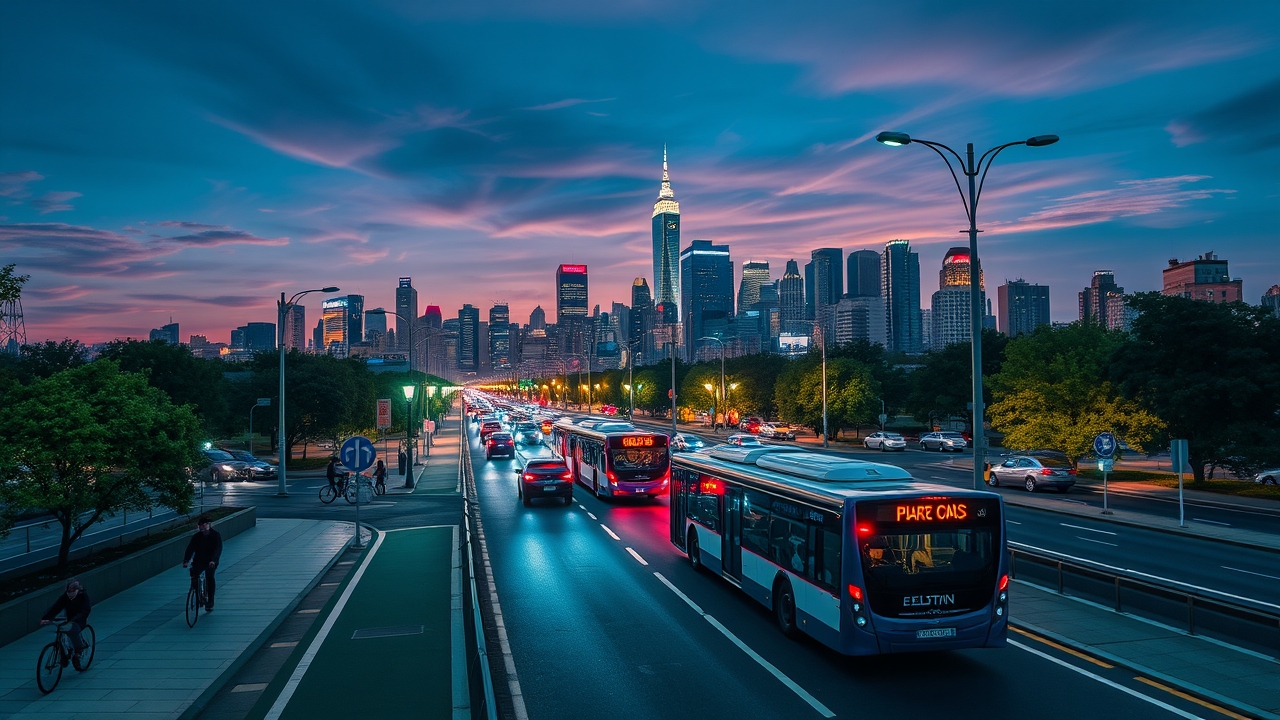
Electric buses (e‑buses) are rapidly becoming the backbone of modern public transit. Unlike diesel counterparts, e‑buses produce zero tailpipe emissions, drastically reducing local air pollutants such as nitrogen oxides (NOₓ) and particulate matter (PM₂.₅). Technological advances in battery chemistry—particularly lithium‑ion and solid‑state batteries—have extended range, lowered costs, and shortened charging times. Cities such as Shenzhen, Los Angeles, and Bogotá have already deployed fleets of e‑buses, reporting significant reductions in operational costs and maintenance requirements.



One of the most compelling advantages of e‑buses lies in their integration with renewable energy. When paired with solar or wind power, e‑buses can operate on a carbon‑neutral basis, further aligning with climate goals. Additionally, the quiet operation of e‑buses improves the urban soundscape, enhancing the quality of life for residents living near transit corridors.
3. Dedicated Bike Lanes and Pedestrian Pathways
Active transportation—cycling and walking—offers a low‑impact alternative to motorized travel. Dedicated bike lanes, separated by physical barriers or painted lines, encourage more people to choose cycling for short trips. Cities like Amsterdam, Copenhagen, and Portland have demonstrated that well‑planned bike infrastructure can shift a significant portion of commuters from cars to bicycles, reducing traffic congestion and emissions.
Pedestrian pathways, when designed with accessibility in mind, provide safe routes for all users, including those with disabilities. Features such as curb cuts, tactile paving, and adequate lighting promote inclusivity and encourage walking as a viable mode of transportation for daily errands, education, and recreation.
4. Mobility-as-a-Service (MaaS) Platforms
Mobility-as-a-Service (MaaS) represents a paradigm shift from vehicle ownership to on‑demand, multimodal travel. By aggregating public transit, ride‑sharing, bike‑sharing, and micro‑mobility options into a single digital platform, MaaS enables users to plan, book, and pay for journeys seamlessly. The integration of real‑time data and predictive analytics allows for dynamic routing, reducing idle times and improving overall system efficiency.
Several European cities have piloted MaaS initiatives, such as the Mobility-as-a-Service (MaaS) platform in Helsinki, which offers a subscription model covering buses, trams, bike‑shares, and electric scooters. Early adopters report higher public transit ridership and a noticeable decline in single‑occupancy vehicle trips.
5. Autonomous Public Transit and Shared Mobility
Autonomous vehicles (AVs) present a future where driverless buses and shuttles can operate on demand, adjusting routes based on real‑time demand patterns. While regulatory and safety challenges remain, pilot programs in Singapore and the United States have shown that AVs can reduce operational costs and improve service reliability.
Shared mobility—combining car‑sharing, bike‑sharing, and scooter‑sharing—reduces the need for personal vehicle ownership. By providing convenient, short‑term access to vehicles, shared mobility decreases parking demand, eases congestion, and lowers the overall vehicle fleet size.
6. Policy Instruments Driving Sustainable Mobility
Governments play a pivotal role in shaping transportation futures. Key policy instruments include:
- Low‑Emission Zones (LEZs): Restricting high‑emission vehicles from city centers encourages the adoption of cleaner alternatives.
- Congestion Pricing: Charging drivers for entering high‑traffic areas during peak times reduces congestion and generates revenue for public transit improvements.
- Infrastructure Investment: Funding for dedicated bus lanes, bike paths, and pedestrian zones signals a commitment to multimodal mobility.
- Incentives for Clean Vehicles: Tax credits, rebates, and preferential parking for electric vehicles accelerate market penetration.
International examples, such as London’s Congestion Charge and Singapore’s Electronic Road Pricing, demonstrate how financial mechanisms can effectively shift travel behavior.
7. Community Engagement and Equity Considerations
Transportation decisions must prioritize equity to ensure that all residents, regardless of income or location, have access to reliable, affordable mobility options. Community engagement processes—public hearings, participatory budgeting, and digital feedback platforms—allow residents to voice concerns and influence project outcomes.
Equitable transit planning involves:
- Affordable Fare Structures: Sliding scale fares or subsidized passes for low‑income riders.
- Accessibility Features: Low‑floor buses, curb‑to‑vehicle transfers, and audible signals for visually impaired users.
- Transit-Oriented Development (TOD): Mixed‑use neighborhoods that combine residential, commercial, and transit infrastructure reduce the need for long commutes.
8. Technological Innovations Shaping the Landscape
Beyond vehicle technology, several digital innovations are redefining urban mobility:
- Smart Traffic Signals: Adaptive signal control improves flow and reduces idling, cutting emissions.
- Vehicle‑to‑Grid (V2G) Systems: Electric vehicles can feed stored energy back into the grid during peak demand, enhancing grid resilience.
- Data Analytics and AI: Predictive models forecast demand, optimize routes, and identify maintenance needs before failures occur.
9. Case Studies of Successful Implementation
Barcelona, Spain: The city’s Superblocks (Superilles) reduce traffic within residential zones, creating pedestrian‑only areas that promote walking and cycling. The initiative has lowered traffic speeds by 30% and increased public transit ridership.
Singapore: The city-state’s integrated public transport network, combined with stringent vehicle ownership policies, has resulted in one of the lowest per‑capita vehicle densities in the world. Singapore’s Smart Mobility 2030 plan envisions a future where autonomous shuttles and electric buses dominate the streets.
Portland, USA: Portland’s comprehensive bike network, coupled with a robust public transit system, has made the city one of the most bike‑friendly in North America. The city’s Bike Share program, integrated with the public transit fare system, encourages multimodal trips.
10. Challenges and the Path Forward
Despite the promise of sustainable urban transportation, several challenges persist:
- Infrastructure Funding: Large‑scale projects require significant capital investment, and securing public and private funding can be complex.
- Technological Uncertainty: Rapid advancements can render current investments obsolete, necessitating agile procurement strategies.
- Behavioral Resistance: Shifting long‑standing travel habits requires comprehensive education and incentive programs.
- Equity Gaps: Ensuring that low‑income communities benefit equally from new mobility solutions remains a critical concern.
Addressing these challenges involves coordinated action across government agencies, private sector partners, and community stakeholders. Integrated planning frameworks that align land use, transit, and environmental objectives can create synergies, maximizing the impact of each investment.
Conclusion: A Collective Journey Toward Cleaner Mobility
The future of sustainable urban transportation is not a distant vision but an ongoing transformation driven by technology, policy, and community action. Electric buses, bike lanes, MaaS platforms, and autonomous shuttles are reshaping how people navigate cities, offering cleaner, safer, and more inclusive mobility options. By investing in resilient infrastructure, fostering equitable access, and embracing innovative technologies, cities can unlock a future where transportation supports both human well-being and planetary health. The journey ahead demands collaboration, creativity, and a steadfast commitment to sustainability—an endeavor that promises a brighter, healthier, and more connected world for all.
For further reading, see related references on Wikipedia.
Leave a Reply