Introduction
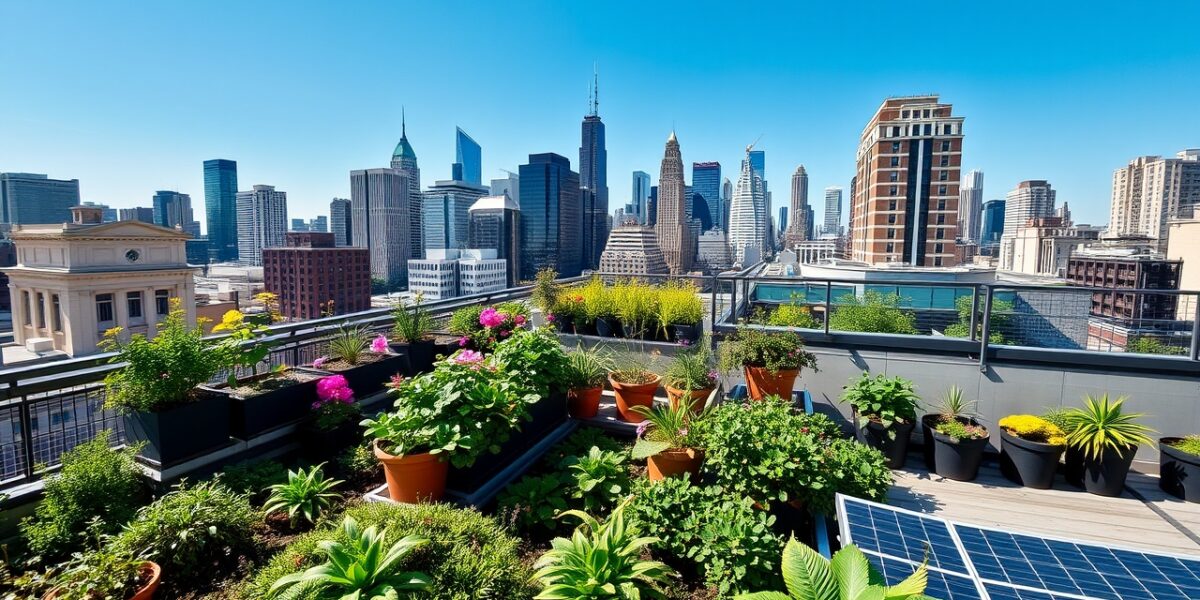
Urban gardening has evolved from a niche hobby into a vital component of modern city life. In 2026, more residents than ever are turning rooftops, balconies, and even vacant lots into thriving green spaces. This shift is driven by growing concerns about food security, climate change, and the mental health benefits that nature provides. Whether you live in a high‑rise apartment, a historic townhouse, or a suburban cul‑de‑sac, the principles of urban gardening can be adapted to fit your space and lifestyle. In this comprehensive guide, we’ll explore the latest trends, techniques, and tools that will help you cultivate a productive, sustainable garden right in the heart of the city.
Why Urban Gardening Matters
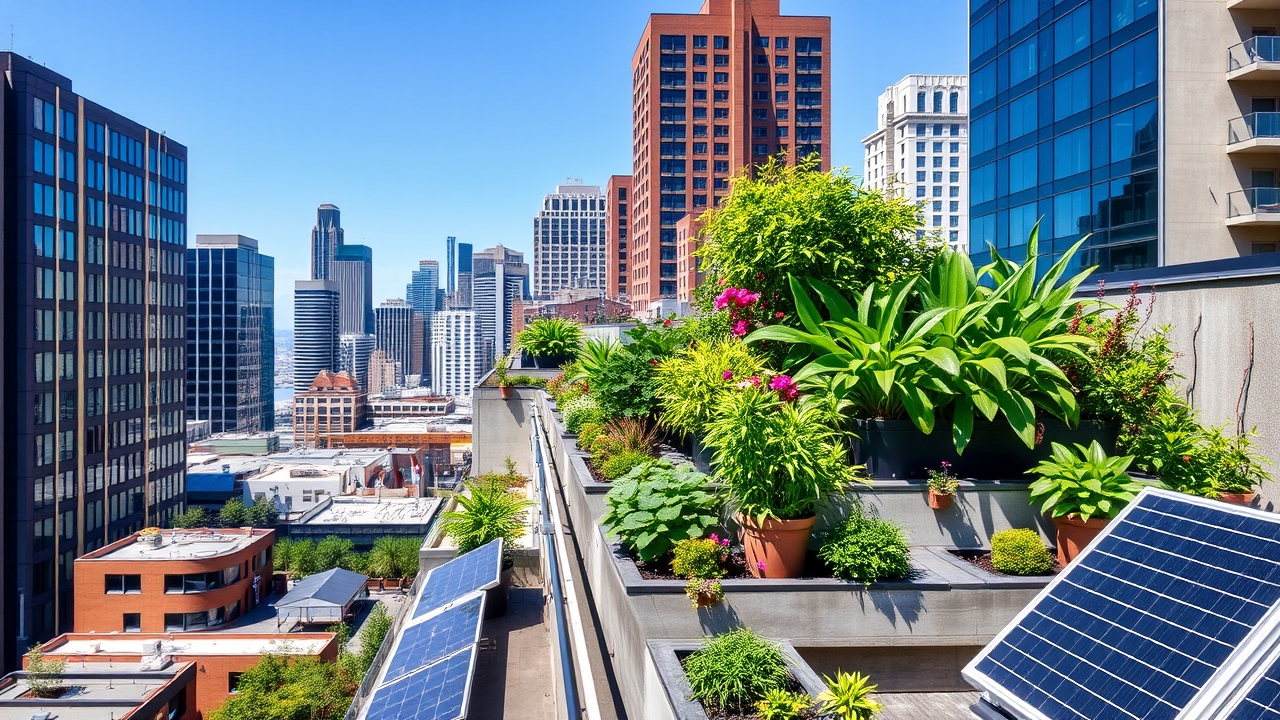
There are several compelling reasons to consider urban gardening. First, it addresses food security. Local production reduces dependence on long supply chains that are vulnerable to disruptions. Second, it mitigates urban heat island effects by adding vegetation that cools the surrounding air. Third, it improves air quality by filtering pollutants and producing oxygen. Fourth, it fosters community engagement. Shared gardens create social bonds, encourage knowledge exchange, and provide a sense of ownership among residents. Finally, urban gardens have proven mental health benefits. Exposure to green spaces lowers stress, improves mood, and enhances cognitive function.
Planning Your Space
Before you buy a seed packet, you need a clear plan. Start by assessing your available area: a balcony, a windowsill, a rooftop, or a community plot. Measure the dimensions and note the orientation—north, south, east, or west. South‑facing balconies receive the most sunlight, making them ideal for heat‑tolerant herbs like basil and peppers. East or west exposures get morning or afternoon sun, which is gentler for leafy greens. If you’re working with a rooftop, consider the load capacity of the structure. Most buildings can support up to 50 pounds per square foot, but always confirm with a structural engineer.



Next, decide on the type of garden that suits your goals. Container gardens are flexible and can be moved as needed. Raised beds are great for people with limited mobility. Vertical gardens maximize space by growing up rather than out. Hydroponic systems offer high yields in small footprints but require a bit more technical know‑how. Choose the system that aligns with your time, budget, and gardening experience.
After you’ve chosen a system, think about the layout. Use a grid to keep plants evenly spaced. Keep taller plants at the back so that shorter ones don’t get shaded. For rooftop gardens, consider a layered design: heavier plants near the edges (where the structure is strongest) and lighter containers in the center. Don’t forget to plan for pathways, storage, and irrigation zones.
Choosing Plants
Plant selection is critical for success. In an urban environment, you’ll face limited light, wind exposure, and sometimes poor soil quality. Opt for plants that thrive in containers and can tolerate the local microclimate. Here are some categories and examples:
- Herbs: Basil, thyme, oregano, mint, chives.
- Leafy greens: Spinach, lettuce, arugula, Swiss chard.
- Vegetables: Cherry tomatoes, peppers, zucchini, cucumbers.
- Fruit: Strawberries, dwarf citrus trees, blueberries.
- Flowers: Marigolds, petunias, nasturtiums.
Consider companion planting to reduce pests. For instance, planting basil near tomatoes can deter aphids. Also, choose dwarf or bush varieties that stay compact, making them easier to manage in limited spaces. If you’re on a rooftop, select plants with low water needs and drought tolerance to reduce irrigation demands.
Container Gardening
Containers are the backbone of most urban gardens. They allow you to move plants, control soil quality, and manage drainage. When choosing containers, look for materials that are lightweight yet durable. Plastic pots are inexpensive, but clay or terracotta can be more aesthetically pleasing and breathable. For long‑term use, consider recycled or biodegradable options.
The size of the container should match the plant’s root system. A general rule is to use a pot that is at least 2 inches larger in diameter than the current root ball. For vegetables, a 5‑gal pot is a good starting point. For herbs, 1‑gal pots often suffice.
Drainage is vital. Without proper drainage, roots can rot. Drill holes at the bottom of each pot or use a self‑watering system that relies on capillary action. Add a layer of gravel or broken pottery at the bottom to improve airflow. If you’re using a balcony, ensure that the pots are stable and won’t tip over in wind.
Soil selection matters. Use a high‑quality potting mix that retains moisture but also drains well. Avoid garden soil, which can compact in containers. Add organic matter such as compost or worm castings to improve fertility. For high‑yield plants, consider a balanced fertilizer with an NPK ratio of 10‑10‑10 or a slow‑release formula.
Vertical Gardens
Vertical gardening is a game‑changer for small footprints. By growing upward, you can multiply the number of plants without expanding your footprint. There are several vertical systems to choose from:
- Wall‑mounted trellises for vines like peas and cucumbers.
- Hanging baskets for herbs and flowers.
- Living walls that use hydroponic or moss‑based systems.
- Stacked planter boxes that can be arranged in a staircase pattern.
When installing a vertical garden, ensure that the structure can support the weight. For living walls, use a lightweight substrate such as coconut coir or rockwool. For trellises, secure them firmly to walls or posts. Provide adequate irrigation; many vertical systems use drip lines or misting nozzles to deliver water directly to the roots.
Hydroponics
Hydroponics is a soil‑free method that delivers nutrients directly to plant roots. In 2026, hydroponic systems have become more accessible thanks to affordable LED grow lights, nutrient solutions, and recirculating pumps. Hydroponics is ideal for urban settings because it uses less water—up to 90% less than traditional soil gardening—and can produce higher yields per square foot.
There are several hydroponic designs: nutrient film technique (NFT), deep water culture (DWC), aeroponics, and wick systems. NFT and DWC are common in home setups. For beginners, a simple DWC system with a small reservoir and a paddle wheel can get you started. Use a balanced nutrient solution, typically with an EC (electrical conductivity) of 1.5–2.5 mS/cm for leafy greens.
Lighting is crucial. In urban environments where natural light is limited, LED grow lights provide the full spectrum needed for photosynthesis. Position the lights 12–18 inches above the canopy and run them for 12–16 hours per day, depending on the crop.
Maintenance includes monitoring pH (ideal range 5.8–6.5), nutrient levels, and temperature. Regularly clean the reservoir and replace the nutrient solution every two weeks to prevent algae buildup.
Smart Tech in Urban Gardening
Technology has revolutionized gardening. Smart sensors can monitor soil moisture, temperature, humidity, and light intensity. Apps can give real‑time alerts and suggest watering schedules. Automated irrigation systems use timers and moisture sensors to deliver water precisely when needed, reducing waste.
For example, a smart irrigation controller can be programmed to water your balcony garden twice a day during the hottest months. When the soil moisture drops below a set threshold, the system activates. In 2026, many controllers integrate with voice assistants like Alexa or Google Assistant, allowing you to check garden status with a simple voice command.
Another trend is the use of drones for monitoring rooftop gardens. Small drones equipped with cameras can capture high‑resolution images, helping you spot pest infestations or nutrient deficiencies early. Data analytics platforms can then analyze the images and provide actionable insights.
Sustainability Practices
Urban gardens should aim to be closed‑loop systems. Use rain barrels to collect runoff from rooftops and gutters. Treat the collected water with a simple filtration system before using it for irrigation. Compost kitchen scraps and garden waste to create nutrient‑rich mulch. Use biodegradable pots or repurpose containers like milk jugs or shoe boxes.
Energy use is another consideration. LED grow lights consume less power than traditional incandescent bulbs. Pair them with solar panels to offset electricity costs. Many rooftop gardens now incorporate solar arrays that power the lights, irrigation pumps, and even a small battery bank for nighttime operation.
Finally, consider the biodiversity of your garden. Plant native species that attract pollinators such as bees, butterflies, and hummingbirds. Use natural pest control methods like neem oil or companion planting instead of chemical pesticides. This not only protects the local ecosystem but also reduces maintenance costs.
Maintenance Tips
Regular maintenance keeps your garden healthy and productive. Here are key tasks:
- Watering: Check soil moisture daily. Use a moisture meter for precision.
- Pruning: Remove dead or yellowing leaves to prevent disease.
- Fertilizing: Feed leafy greens every two weeks with a balanced fertilizer.
- Pest control: Inspect plants for aphids, spider mites, or whiteflies. Use insecticidal soap if necessary.
- Weeding: Remove weeds promptly to free up nutrients.
- Harvesting: Pick produce when ripe. This encourages further fruiting.
Keep a maintenance log. Record watering dates, fertilizer applications, and any pest issues. Over time, this data helps you refine your care routine and predict future needs.
Community and Shared Gardens
Shared gardens—whether they’re community plots, cooperative spaces, or neighborhood allotments—offer unique benefits. They reduce individual costs, foster social interaction, and provide educational opportunities. In many cities, local governments offer grants or subsidies for community garden projects. These programs often include workshops on composting, seed saving, and sustainable practices.
Additionally, shared gardens can serve as living laboratories. Students, researchers, and hobbyists can collaborate on experiments such as testing soil amendments, evaluating pest control methods, or studying plant genetics. This collaborative spirit strengthens community ties and promotes knowledge sharing.
Future Trends in Urban Gardening
Looking ahead, several emerging trends are shaping the future of urban gardening:
- Smart hydroponics integrated with AI analytics for optimal growth.
- Modular garden systems that can be shipped flat and assembled on demand.
- Biodegradable packaging for seedlings and tools.
- Urban farming incubators that provide mentorship and resources to young entrepreneurs.
- Integration of edible landscaping into public spaces, such as fruit‑bearing trees along sidewalks.
These innovations promise to make urban gardening more accessible, efficient, and environmentally friendly.
Conclusion
Urban gardening is no longer a niche pastime; it’s a vital part of sustainable city living. By planning carefully, choosing the right plants, and leveraging modern technology, anyone can create a thriving green space in even the smallest of urban settings. Whether you’re a seasoned horticulturist or a curious beginner, the tools and knowledge are at your fingertips. Start today, and watch your city transform—one plant at a time.
For further reading, see related references on Wikipedia.
Leave a Reply