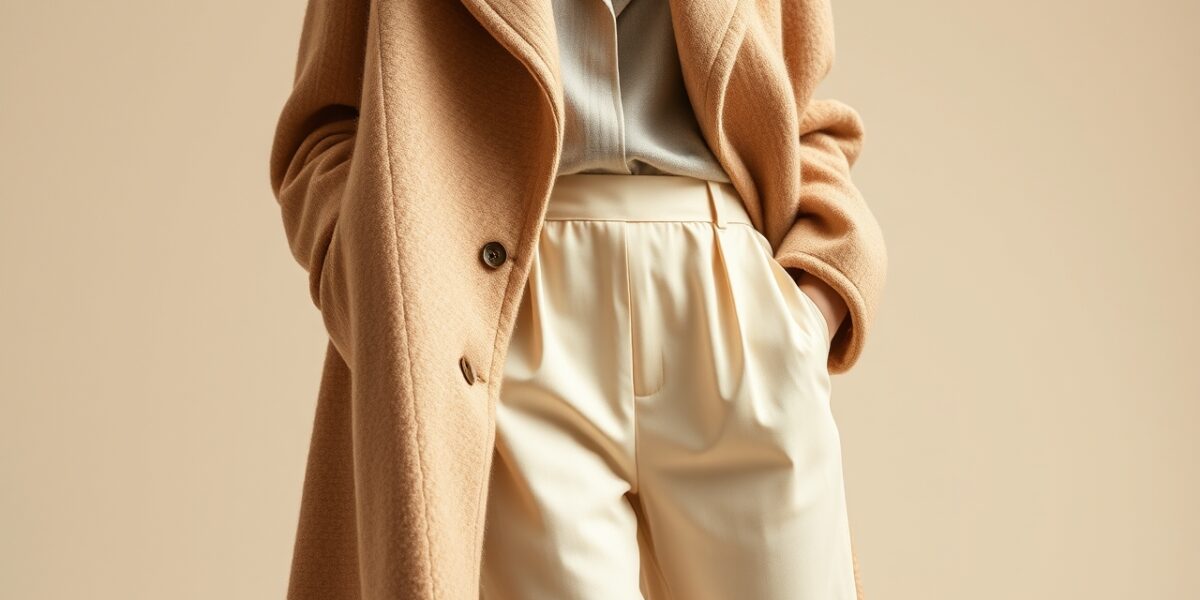
When you step into a room wearing a single color, the eye follows a clean line that feels intentional and refined. Monochrome outfit ideas are a wardrobe shortcut that eliminates decision fatigue while amplifying your personal style. By layering shades, textures, and silhouettes, you can create depth without breaking the color harmony.
The Foundations of a Monochrome Look
Contrary to the myth that a monochrome outfit is a matching set, the most striking ensembles rely on subtle variation. Think of a color family—navy, taupe, or forest green—rather than a single dye lot. The key is to anchor the look with a structured piece and then build around it with complementary tones.
Choosing the Anchor Piece
The anchor is the statement item that defines the hue. A tailored navy blazer, a pair of wide‑leg charcoal trousers, or a crisp cream trench coat can serve as the foundation. Once you’ve chosen the anchor, select a lighter or darker shade for the top and another texture for the outer layer. This hierarchy prevents the outfit from feeling like a costume and keeps it grounded in everyday wear.


Mastering Tonal Dressing
Tonal dressing is the art of mixing light, medium, and dark variations of the same color. For example, a cobalt blouse, a sky‑blue midi skirt, and a navy blazer create a gradient that feels cohesive yet layered. The trick is to balance the saturation: a deep hue anchors the look, while lighter tints add visual lift. This technique works across skin tones—cool undertones gravitate toward icy blues and emeralds, while warm undertones shine in terracotta, olive, and gold‑tinted neutrals.
Texture: The Secret to Depth
When color contrast is removed, texture becomes the new focal point. A monochrome outfit can feel flat if every piece shares the same matte finish. To avoid that, mix tactile contrasts: heavy with light, matte with shine, and structured with fluid.
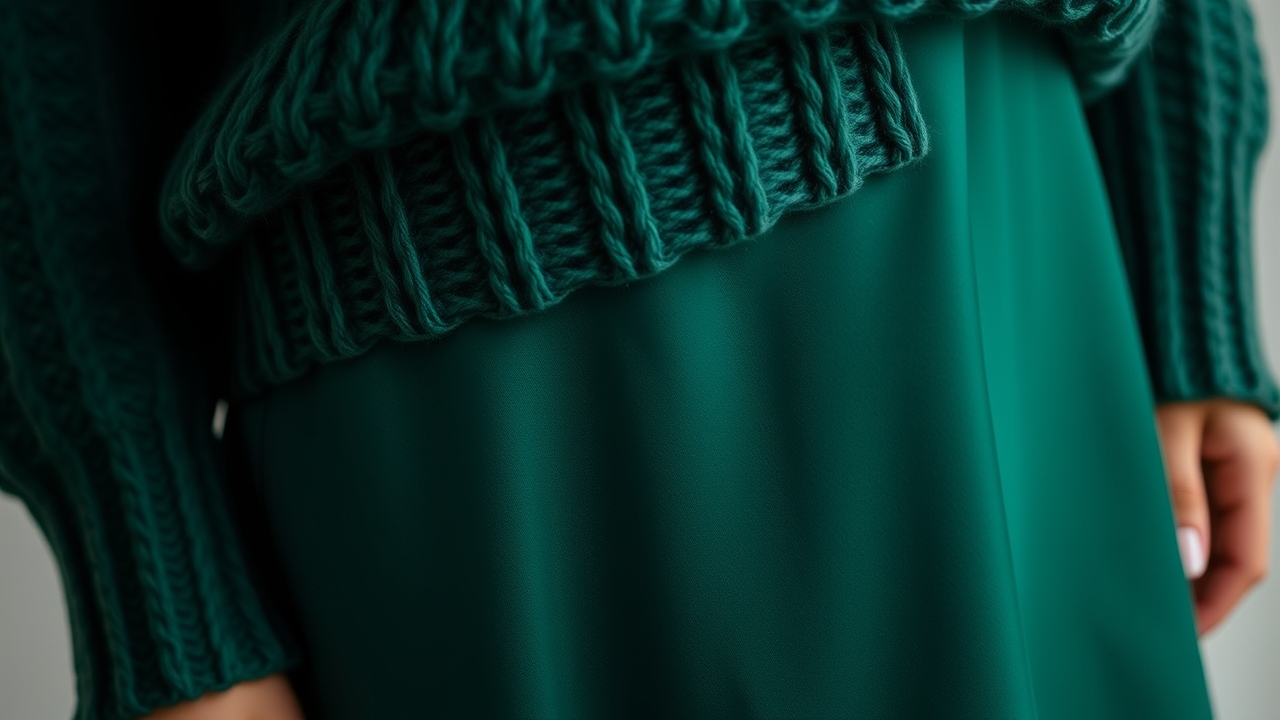
- Heavy & Light: Pair a chunky cable‑knit sweater in deep burgundy with a silk slip skirt in a lighter rose. The weight difference draws the eye and adds dimension.
- Matte & Shine: Combine a matte leather jacket with a satin blouse. The reflective surface of the satin cuts through the matte base, creating a subtle pop.
- Structure & Fluidity: Team a structured wool blazer with a wide‑leg linen trouser in the same navy shade. The blazer’s silhouette contrasts with the relaxed cut of the trousers, keeping the look dynamic.
Seasonal Monochrome Playbook
Seasonal fabrics and light levels shift the mood of a color. Adjust the layering and material to keep the look seasonally appropriate.
Spring & Summer
In warmer weather, opt for lighter fabrics and muted tones. A linen vest in pale sage paired with matching trousers in a slightly darker green gives a breezy, sophisticated vibe. For a pop of color, a head‑to‑toe cobalt outfit—think a cropped denim jacket, a chambray blouse, and a pair of navy chinos—creates a cohesive statement that doesn’t feel overwhelming. Finish with nude leather sandals to let the color shine.
Fall & Winter
Cold months invite richer hues and heavier textures. Layer a charcoal turtleneck under a camel wool waistcoat and top with a long overcoat in a darker taupe. The depth of the palette adds warmth. A full‑black ensemble can be elevated by varying fabrics: a velvet blazer, a matte leather skirt, and a pair of polished black boots. The interplay of matte and sheen keeps the look from becoming flat.
Selecting the Right Color for Your Intent
Colors communicate instantly. Choose a palette that aligns with the mood you want to project.
Neutral Mastery
White, cream, beige, and grey are the safest entry points. A cream trench over a silk blouse whispers luxury, while a grey suit feels contemporary and professional. These hues are forgiving and versatile, making them perfect for first‑time monochrome experiments.
Bold & Saturated Statements
For creative events or bold business meetings, high‑saturation colors make a statement. A deep red blazer with a crimson silk blouse feels confident. Keep the look balanced by pairing the bright top with a darker bottom—perhaps a charcoal skirt—to avoid visual overload.
Soft Pastels for Casual Days
Pastel greens, dusty rose, and lavender work beautifully for brunch or casual dates. Light fabrics—cotton or chiffon—enhance the airy feel. A pastel blouse tucked into a high‑waisted linen skirt creates a relaxed yet polished look.
Accessorizing Without Breaking the Flow
Accessories can either reinforce the monochrome line or provide a subtle contrast. The choice depends on the effect you want.
Seamless Continuity
When you want a long, uninterrupted line, choose accessories in the same family. A tan leather bag and gold jewelry complement a beige outfit, while silver or platinum pieces pair well with cool greys or blues. The key is to keep the color temperature consistent so the accessories feel like an extension of the outfit, not a distraction.
Strategic Pop of Contrast
If the look feels too uniform, add one contrasting element. A pair of bright red pumps against an all‑black ensemble draws attention to the feet, while a gold clutch against a navy outfit adds a subtle sparkle. Limit the contrast to one or two items to preserve the monochrome integrity.
Common Pitfalls and How to Avoid Them
The Uniform Trap
Wearing pieces that are nearly identical in shade and fabric can look like a failed attempt at matching. Aim for clear tonal variation—lighter, medium, and darker—so each piece stands out while staying cohesive.
Neglecting Proportions
When a color runs across the entire body, the silhouette becomes the primary visual cue. Balance is essential: pair a loose top with slim trousers or a fitted blouse with a voluminous skirt. This contrast in shape keeps the look dynamic.
Overlooking Grooming
Monochrome outfits magnify details. A wrinkled shirt or scuffed shoe becomes glaringly obvious. Keep every piece pressed, shoes polished, and accessories clean to maintain an elevated aesthetic.
Building Your First Monochrome Ensemble: A Step‑by‑Step Guide
- Pick Your Palette: Choose a hue that feels comfortable—navy, forest green, or taupe are reliable choices.
- Anchor the Look: Select a structured item—blazer, trousers, or coat—as the base.
- Add a Layer of Tone: Find a top in a slightly lighter or darker shade of the same color.
- Introduce Texture: Layer a jacket or cardigan in a contrasting fabric—leather, wool, or silk.
- Check the Silhouette: Adjust with a belt or by swapping a loose top for a fitted one to refine the shape.
- Finalize Accessories: Choose jewelry that matches the color temperature and finish with shoes that complement the overall tone.
For a deeper dive into how colors interact, consult the principles of color theory—a useful reference for any wardrobe strategy.
FAQ
What are some easy monochrome outfit ideas for beginners?
Start with neutrals. An all‑black look—think a leather jacket, black jeans, and a crisp white tee—offers instant polish. Alternatively, pair a cream knit sweater with matching trousers for a relaxed yet refined vibe.
Does wearing one color make you look shorter?
In fact, a continuous color line elongates the silhouette, giving the illusion of height. The trick is to keep the color consistent from head to toe.
Can I mix patterns in a monochromatic look?
Yes, as long as the patterns share the same color family. A striped navy shirt with a polka‑dot navy skirt ties the look together without breaking the monochrome flow.
How do I stop a monochrome outfit from looking like a uniform?
Mix textures and vary the shades. Combine silk with wool, leather with linen, and ensure you have a range of light, medium, and dark tones.
What jewelry goes best with tonal dressing?
Warm tones pair well with gold, while cool tones look stunning with silver or platinum. For neutral palettes, gold often adds a subtle luxury feel, especially in beige or cream outfits.
Leave a Reply