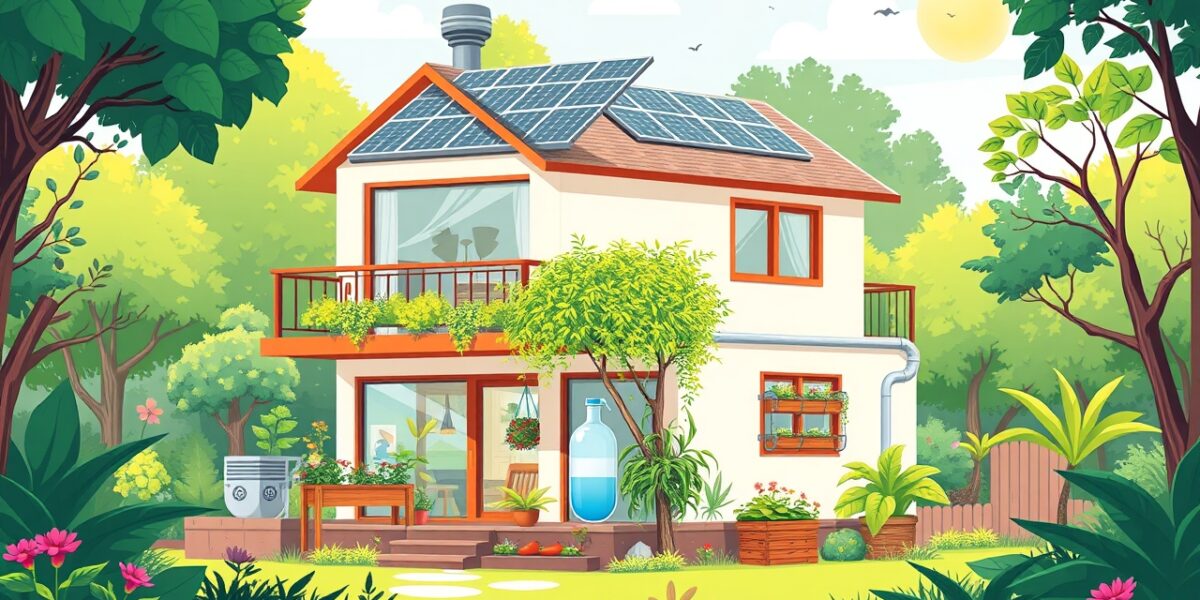
The Ultimate Guide to Sustainable Living in 2024
In a world where climate change, resource depletion, and environmental degradation threaten the very fabric of our existence, sustainable living has moved from a niche concept to a mainstream necessity. 2024 marks a pivotal year: new technologies, policy shifts, and a growing cultural appetite for eco-friendly choices converge to make sustainable habits more attainable than ever before. This guide offers a comprehensive, practical roadmap for individuals, families, and communities looking to reduce their ecological footprint while enjoying a high quality of life.
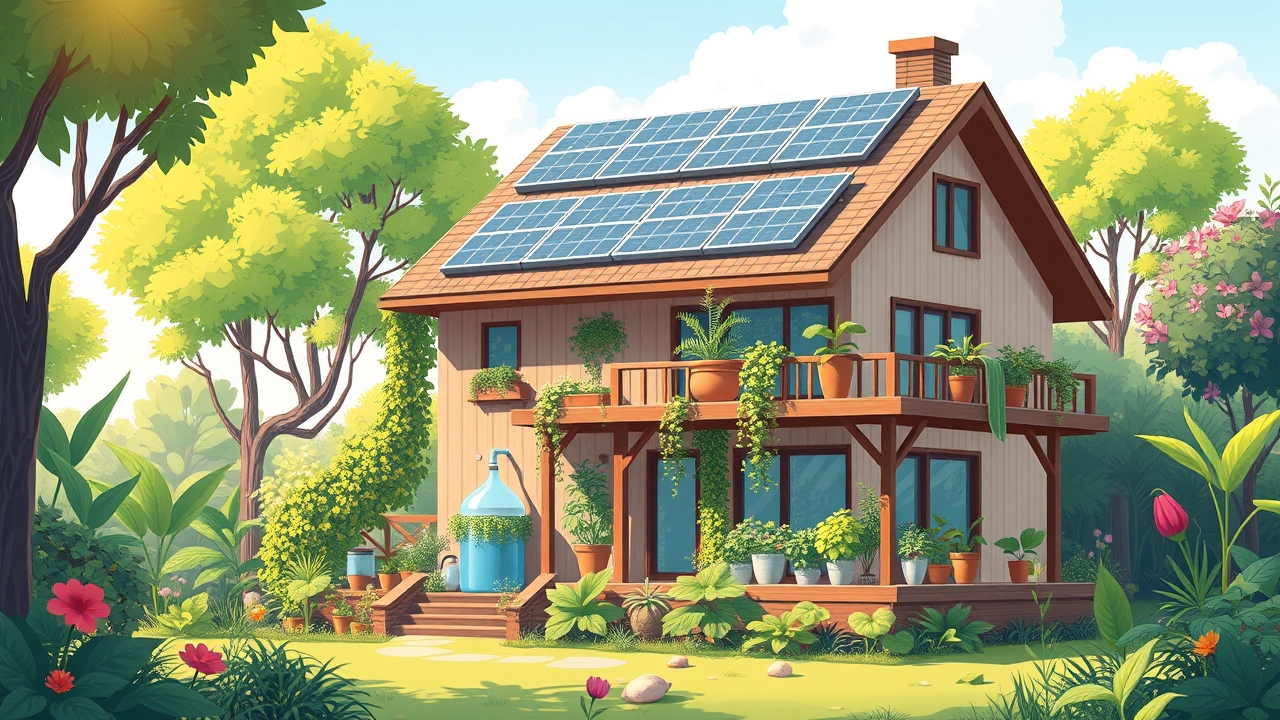
Why Sustainable Living Matters Now
Scientific consensus is clear: the planet is warming, biodiversity is declining, and human activity is the primary driver of these changes. The Intergovernmental Panel on Climate Change (IPCC) reports that global temperatures must stay below 1.5°C to avoid catastrophic impacts, and that requires a 45% reduction in greenhouse gas emissions by 2030. Sustainable living is the everyday, incremental action that, when adopted en masse, can push us toward those targets. Beyond the environmental imperative, sustainable choices unlock economic benefits—lower utility bills, reduced waste disposal costs, and increased resilience against supply chain disruptions.
Foundations of a Sustainable Lifestyle
Building a sustainable life begins with a clear framework. Below are five foundational pillars that guide every decision, from the products you buy to the way you move around town.



- Energy Efficiency – تهدف إلى تقليل استهلاك الطاقة في المنزل والأجهزة.
- Waste Reduction – التركيز على تقليل النفايات وإعادة التدوير.
- Water Stewardship – الحفاظ على المياه واستخدامها بكفاءة.
- Local & Seasonal Consumption – شراء المنتجات المحلية والعضوية.
- Community Engagement – المشاركة في المبادرات المحلية.
Energy Efficiency: Powering Your Home the Smart Way
Energy consumption accounts for roughly 25% of global greenhouse gas emissions. By optimizing how we use electricity, we can dramatically cut our carbon footprint.
1. Upgrade to LED Lighting
LED bulbs use at least 75% less energy than incandescent bulbs and last up to 25 times longer. Replacing all household bulbs with LED can save you $200–$400 annually in utility costs.
2. Invest in Smart Thermostats
Smart thermostats learn your schedule and adjust heating and cooling accordingly. They can reduce heating bills by 10–15% and cooling bills by 5–10%. Look for models with Wi-Fi connectivity and energy usage analytics.
3. Install Solar Panels or Solar Water Heaters
Solar technology has become more affordable, with average installation costs dropping 30% over the past decade. A typical residential solar panel system can offset 30–40% of your electricity usage, depending on your location and roof orientation.
4. Upgrade Insulation and Seal Drafts
Proper insulation retains heat in winter and keeps cool air in during summer, reducing the need for HVAC. Check your attic, walls, and windows for gaps and seal them with weatherstripping or caulk.
5. Choose Energy Star Appliances
Energy Star-certified appliances meet strict energy efficiency guidelines. Replacing old refrigerators, dishwashers, and washing machines with Energy Star models can cut electricity consumption by up to 30%.
Waste Reduction: From Trash to Treasure
Waste management is a critical component of sustainability. The goal is to shift from a linear “take-make-dispose” model to a circular economy where materials are reused, repaired, and recycled.
1. Adopt the 3 R’s: Reduce, Reuse, Recycle
Reducing consumption is the most effective strategy. Choose products with minimal packaging, buy in bulk, and favor reusable over disposable items.
2. Compost Organic Waste
Composting turns food scraps and yard waste into nutrient-rich soil, reducing methane emissions from landfills. A simple compost bin can handle kitchen scraps and garden clippings.
3. Implement a Zero-Waste Lifestyle
Zero-waste living involves eliminating single-use plastics and opting for refillable containers, glass jars, and metal utensils. Many cities now offer refill stations for household cleaners and personal care products.
4. Repair Instead of Replace
When something breaks, consider repair before replacement. Local repair cafés and online tutorials can help you fix gadgets, clothing, and furniture.
Water Stewardship: Conserving the Blue Resource
Water scarcity is projected to affect 1.8 billion people by 2030. Sustainable water use is essential for both human health and ecological balance.
1. Install Low-Flow Fixtures
Low-flow showerheads, faucets, and dual-flush toilets can reduce household water use by 30–50% without sacrificing performance.
2. Harvest Rainwater
Rain barrels capture runoff from roofs for irrigation, reducing dependence on municipal water. In many regions, rainwater harvesting is regulated, so check local ordinances first.
3. Use Native Plants in Landscaping
Native species are adapted to local climates and require less irrigation. Xeriscaping—landscaping designed to reduce water use—can transform your yard into a drought-resistant oasis.
Local & Seasonal Consumption: Feeding Your Community
Food is a major source of greenhouse gas emissions, especially when it travels long distances. Supporting local, seasonal, and organic produce reduces transportation emissions and supports regional economies.
1. Join a Community Supported Agriculture (CSA) Program
CSAs provide a weekly box of fresh, seasonal produce in exchange for a subscription fee. This model reduces packaging waste and strengthens local farmers.
2. Grow Your Own Herbs and Vegetables
Even a small balcony garden can yield herbs, lettuce, and tomatoes. Growing food at home cuts emissions associated with transportation and packaging.
3. Buy from Farmers’ Markets
Farmers’ markets promote direct trade between producers and consumers, cutting out middlemen and reducing packaging.
4. Reduce Meat Consumption
Animal agriculture is responsible for 14.5% of global greenhouse gas emissions. Cutting meat consumption by 25% can lower your carbon footprint by up to 5%.
Community Engagement: Building a Sustainable Network
Individual actions are powerful, but collective effort accelerates change. Communities can implement policies, share resources, and create supportive networks.
1. Participate in Local Sustainability Committees
Many municipalities have committees focused on energy, waste, and water. Volunteering can influence local policy and bring resources to your neighborhood.
2. Host Swap Meets and Tool Libraries
Swap meets allow residents to exchange items, reducing the need for new purchases. Tool libraries provide shared access to power tools, reducing the number of tools each household owns.
3. Advocate for Green Infrastructure
Support projects like green roofs, permeable pavements, and urban forests that improve air quality, manage stormwater, and enhance biodiversity.
4. Educate and Inspire Others
Share your journey on social media, blogs, or local workshops. Education is a catalyst for widespread adoption of sustainable practices.
Technology and Innovation: The Future of Sustainable Living
Technology is a key driver in making sustainable living more accessible. From smart home devices to renewable energy innovations, the tools available today enable us to reduce our environmental impact while maintaining comfort and convenience.
1. Electric Vehicles (EVs) and Charging Infrastructure
EVs produce zero tailpipe emissions, and battery technology is improving rapidly. Governments are expanding charging networks, and incentives such as rebates and tax credits are making EVs more affordable.
2. Energy Storage Solutions
Home battery systems, like Tesla Powerwall, store excess solar energy for use during cloudy days or at night, reducing reliance on the grid.
3. Smart Agriculture Technologies
Precision agriculture uses sensors and AI to optimize irrigation, fertilization, and pest control, reducing resource use and increasing yields.
4. Circular Economy Platforms
Online marketplaces for second-hand goods, repair services, and sharing platforms reduce waste and encourage reuse.
Financial Benefits of Sustainable Living
Beyond environmental gains, sustainable living offers tangible financial advantages:
- Lower utility and water bills through energy and water efficiency.
- Reduced grocery costs by buying seasonal and local produce.
- Increased property value due to energy-efficient upgrades.
- Potential tax credits and rebates for renewable energy installations.
Getting Started: A Step-by-Step Action Plan
Implementing sustainable living doesn’t require a complete overhaul overnight. Here’s a practical roadmap to start today and build momentum over time.
Week 1: Audit Your Current Footprint
Track electricity usage, water consumption, and waste output. Use apps or simple spreadsheets to log data.
Week 2: Replace Bulbs and Install Low-Flow Fixtures
Swap out incandescent bulbs for LED and install low-flow showerheads and faucets.
Week 3: Set Up a Compost Bin
Choose a location in your yard or balcony and start composting kitchen scraps.
Month 1: Join a Local CSA or Farmers’ Market
Subscribe to a CSA or visit a farmers’ market to taste seasonal produce.
Month 2: Install a Smart Thermostat
Download the manufacturer’s app and set up your thermostat to learn your schedule.
Month 3: Begin a Home Energy Audit
Hire a professional or use a DIY kit to identify insulation gaps and draft leaks.
Quarter 1: Consider Solar Installation
Get quotes from multiple installers and evaluate financing options.
Quarter 2: Expand Your Zero-Waste Practices
Replace disposable items with reusable alternatives and start a refill station at home.
Conclusion: Your Role in a Sustainable Future
In 2024, sustainable living is no longer a distant ideal—it’s a practical, achievable reality. By integrating energy efficiency, waste reduction, water stewardship, local consumption, and community engagement into your daily life, you can significantly reduce your environmental impact while enjoying financial savings and a healthier lifestyle. The tools and resources are available; the choice is yours. Start small, stay consistent, and watch as your sustainable habits ripple outward, inspiring others and contributing to a resilient, thriving planet for generations to come.
For further reading, see related references on Wikipedia.
Leave a Reply