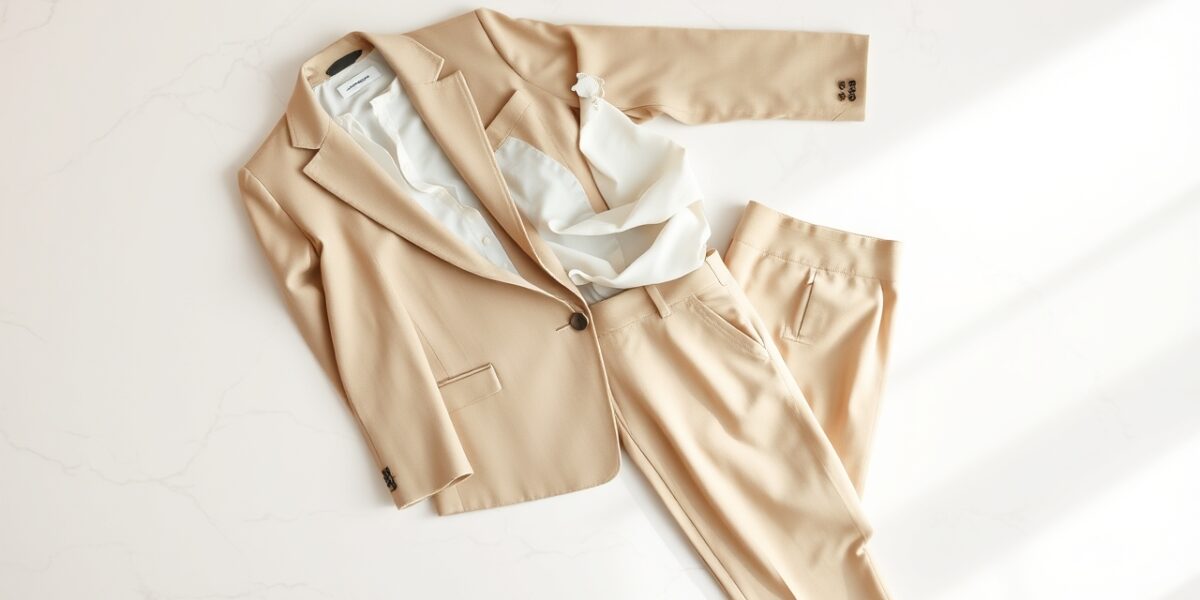
Every morning, I used to stand in front of a closet that felt more like a maze than a wardrobe. I could pull out a navy blazer, a crisp white shirt, a pair of black trousers, and a pair of flats, but the ensemble never felt cohesive. The problem wasn’t a lack of clothes; it was a lack of a system. By shifting from haphazard buying to intentional curation, I reclaimed hours of my week and stepped into meetings with a confidence that came from knowing my outfit was already on point.
What Exactly is a Professional Capsule?
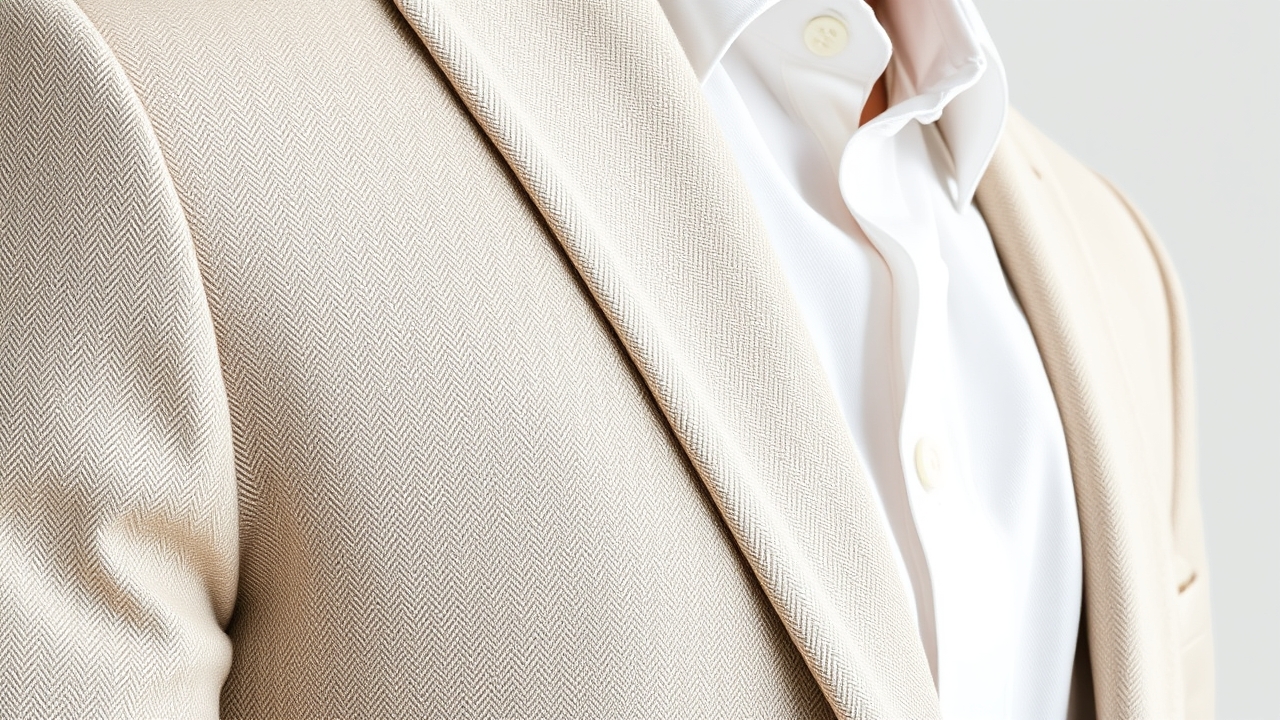
A professional capsule is a curated set of versatile pieces that work together in countless combinations. The goal is to create the maximum number of outfits from the minimum number of items. Instead of owning twenty shirts that each pair only with one pair of pants, you own five shirts that pair with every bottom in your closet.
It isn’t about restriction; it’s about intentionality. When you focus on quality over quantity, you invest in fabrics that endure and cuts that flatter your shape. The result is less decision fatigue in the morning and more mental bandwidth for the day ahead.


The Core Work Capsule Wardrobe Essentials
To build a functional system, you need a mix of base layers, structured pieces, and versatile bottoms. Below is the definitive list of items that form the backbone of a timeless office look.
1. The Tailored Blazer
A blazer is the most powerful tool in a professional wardrobe. It signals authority and pulls together even the simplest outfit. Start with a neutral tone—black, navy, or charcoal. If your office leans creative, a camel or olive green blazer can add subtle personality.
- The Fit: Shoulder seams should align with the natural shoulder line.
- The Fabric: Wool blends for winter, linen or lightweight cotton for warmer months.
- Styling Tip: Pair with trousers for a full suit, or drape over a dress to tone down the femininity for a board meeting.
2. The Crisp White Button-Down
No list of office basics is complete without the white shirt. It’s the ultimate blank canvas. Whether you choose a sharp poplin for a formal setting or a softer silk for a business‑casual vibe, this piece is non‑negotiable.
I prefer a slightly oversized fit that can be tucked in to create a polished silhouette. The key is opacity; the fabric should be thick enough that you don’t have to worry about what’s underneath.
3. Versatile Tailored Trousers
Invest in two pairs of high‑quality trousers. One in a dark neutral (black or navy) and one in a lighter neutral (beige, grey, or cream). Wide‑leg trousers are currently very popular and offer a modern silhouette, while slim‑tapered pants remain a classic choice for traditional corporate settings.
4. The Mid‑Length Sheath or A‑Line Dress
Dresses are the easiest “one‑and‑done” solution for busy mornings. A sheath dress provides a streamlined, professional look, while an A‑line cut is often more comfortable for long days of sitting at a desk. Stick to solid colors or subtle patterns like pinstripes or small polka dots to ensure maximum versatility.
5. The Quality Knit Sweater
Depending on your climate, a lightweight merino wool or cashmere sweater is essential. A crewneck or V‑neck in a neutral shade can be worn on its own or layered over your white button‑down. This adds texture to your look and keeps you warm in over‑air‑conditioned offices.
Building Your Color Palette
The secret to making your work capsule wardrobe function is a strict color palette. If you pick colors at random, you’ll end up with pieces that don’t match, defeating the purpose of the capsule.
Base Neutrals
Pick two base colors. These are the colors for your most expensive pieces, like blazers and trousers. Common pairings include:
- Black and Grey
- Navy and Beige
- Chocolate Brown and Cream
Accent Colors
Once your neutrals are set, pick two or three accent colors. These are for your blouses, scarves, or jewelry. If your base is navy and beige, your accents could be forest green, burgundy, or a soft blue. This ensures that any top you grab will naturally complement any bottom you choose.
How to Audit Your Current Closet
You don’t need to throw everything away and start from scratch. Most people already own several work capsule wardrobe essentials; they’re just buried under items that don’t serve them.
Start by emptying your entire closet onto your bed. Divide your clothes into three piles: Keep, Maybe, and Donate. When deciding what to keep, ask yourself these three questions:
- Does this fit me perfectly right now? (Not “when I lose five pounds”).
- Does this match at least three other items in my ‘Keep’ pile?
- Is the fabric durable enough for weekly wear and frequent dry cleaning?
If the answer to any of these is “no,” move the item to the ‘Maybe’ or ‘Donate’ pile. This process allows you to see the gaps in your wardrobe. You might realize you have ten floral blouses but no actual trousers, which tells you exactly where to spend your budget.
Adapting Your Professional Capsule for Different Dress Codes
Not every office has the same rules. The beauty of a capsule is that it can be tweaked to fit your specific environment while maintaining the same core logic.
Business Formal
In law firms or high‑finance environments, the focus is on structure. Your capsule should lean heavily into suits. Prioritize matching blazer‑and‑pant sets and closed‑toe pumps. Your colors should remain conservative—think deep charcoals and navy blues. You can find more inspiration for modern professional styling to keep these formal looks from feeling dated.
Business Casual
This is the most common and often the most confusing dress code. The goal is to look professional but approachable. You can swap the full suit for a blazer and dark‑wash denim or a midi skirt. Loafers or pointed‑toe flats replace the high heels. This is where your accent colors can really shine.
Creative Professional
In agencies or tech startups, you have more room for personality. You can incorporate bolder silhouettes, like an oversized blazer or a pleated midi skirt in a bright hue. However, the foundation of work capsule wardrobe essentials still applies—keep your base pieces neutral so you can experiment with one “statement” piece per outfit.
The Role of Accessories in a Capsule Wardrobe
Accessories are the “multipliers” of your wardrobe. They change the entire vibe of an outfit without requiring you to buy new clothes.
Footwear
You only need three pairs of shoes for a complete professional capsule:
- The Power Pump: A neutral heel for big presentations.
- The Polished Flat: A pointed‑toe flat or loafer for daily comfort.
- The Versatile Boot: An ankle boot for colder months that works with both trousers and dresses.
Jewelry and Bags
Stick to a consistent metal tone (either gold or silver) to ensure everything matches. A simple pair of stud earrings and a classic watch are all you need. For bags, a structured leather tote in a neutral color is the gold standard. It should be large enough to hold your laptop and documents but sleek enough to look professional.
Maintaining Your Capsule Over Time
A capsule wardrobe is not a static collection; it’s a living system. To keep it effective, you need to implement a maintenance routine.
First, prioritize garment care. Because you are wearing a smaller number of items more frequently, they will experience more wear and tear. Invest in a handheld steamer to keep wrinkles at bay and follow the care labels strictly. For fabrics like wool, a fabric shaver is essential to remove pilling.
Second, practice the “one‑in, one‑out” rule. To prevent your closet from bloating again, commit to donating one item every time you purchase something new. This forces you to evaluate if the new piece is truly an upgrade over what you already own.
The Psychology of Dressing for Success
There is a concept known as “enclothed cognition,” which suggests that the clothes we wear influence our psychological processes. When we wear clothes that we associate with professionalism and competence, we actually perform better.
By utilizing work capsule wardrobe essentials, you aren’t just simplifying your laundry; you are creating a visual identity. When you know you look the part, you stop worrying about your appearance and start focusing on your contribution. This confidence is often the invisible edge that helps people secure promotions and lead teams more effectively.
For those interested in the broader history of professional attire and how it has evolved over the decades, the Wikipedia page on business attire provides a great overview of global standards.
Sample 5‑Day Outfit Rotation
To show you how these pieces work in practice, here is a sample week using just a few of the essentials mentioned above:
- Monday: Navy blazer, white button‑down, navy trousers, pumps. (The Power Look)
- Tuesday: White button‑down, beige trousers, loafers, gold jewelry. (The Polished Casual)
- Wednesday: Mid‑length sheath dress, navy blazer, pumps. (The Sophisticated One‑Piece)
- Thursday: Knit sweater, beige trousers, loafers, structured tote. (The Cozy Professional)
- Friday: Knit sweater, navy trousers, flats, statement necklace. (The Casual Friday)
Frequently Asked Questions
What are the most important work capsule wardrobe essentials for a beginner?
If you are starting from zero, prioritize these four: a neutral tailored blazer, a crisp white button‑down shirt, one pair of high‑quality tailored trousers in black or navy, and a pair of comfortable pointed‑toe flats. These four items can be mixed and matched to create several different looks immediately.
How many items should be in a professional capsule?
There is no hard number, but most successful capsules range between 20 and 40 pieces, including shoes and outerwear. The goal is to have enough variety to last two weeks without repeating a full outfit, while ensuring every single piece coordinates with the others.
Can I include denim in my work capsule wardrobe?
Yes, provided your office dress code allows it. If you include denim, stick to a dark indigo or black wash with no distressing or holes. Treat your dark denim as a neutral bottom that can be paired with your blazers and button‑downs for a business‑casual look.
How do I handle seasonal changes with a capsule?
The best method is to have a “core” capsule of year‑round neutrals and then two smaller “seasonal” add‑ons. For winter, add heavier knits and wool coats; for summer, add linen blends and lighter colors. Store the off‑season items in bins to keep your closet uncluttered.
What if I have a very colorful personal style?
You can still use the capsule method! Instead of neutrals, choose a palette of “saturated neutrals” like deep burgundy or forest green as your base. Ensure your accent colors complement these bases. The logic remains the same: every piece must work with every other piece.
Leave a Reply