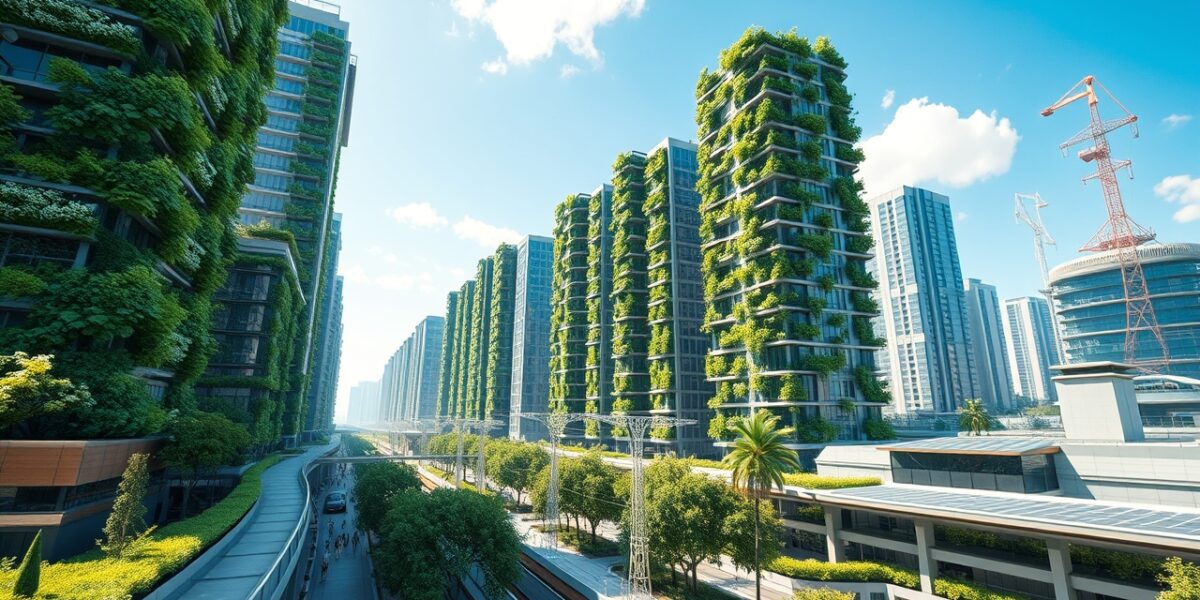
Introduction to Sustainable Urbanism
Sustainable urbanism is not merely a trend in architecture or a niche interest for environmentalists; it is a fundamental necessity for the survival and flourishing of human civilization in the 21st century. As the United Nations predicts that 68% of the world population will live in urban areas by 2050, the pressure on our existing infrastructure, energy grids, and natural ecosystems is reaching a breaking point. The traditional model of urban development—characterized by sprawling suburbs, car-dependency, and the separation of residential and commercial zones—is no longer viable.
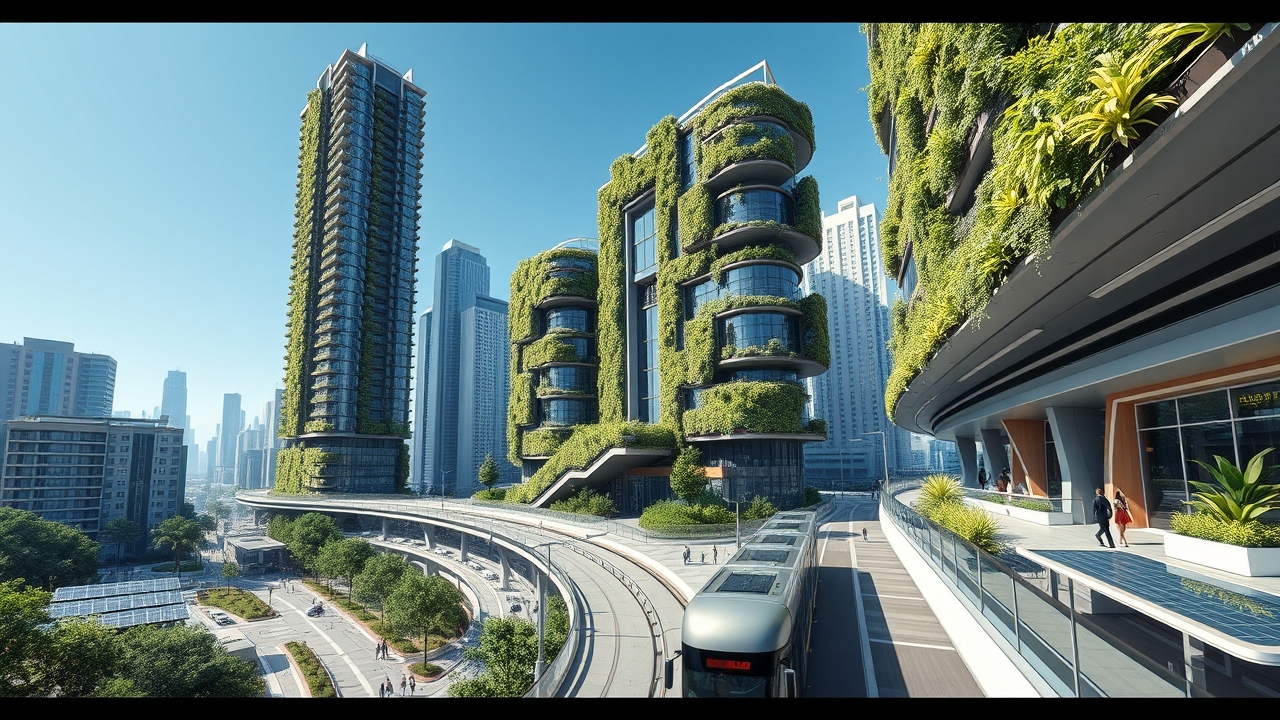
At its core, sustainable urbanism is the integration of urban planning and design that prioritizes environmental health, social equity, and economic viability. It seeks to create cities that act as ecosystems rather than concrete jungles, fostering a symbiotic relationship between the built environment and the natural world. This guide explores the multifaceted pillars of sustainable urbanism, from the technical aspects of green building to the sociological impacts of walkable neighborhoods.
The Pillar of Transit-Oriented Development (TOD)
One of the primary drivers of urban unsustainability is the reliance on the internal combustion engine. The ‘car-centric city’ model, which peaked in the mid-20th century, led to the creation of vast parking lots and highways that severed community ties and increased carbon emissions. Transit-Oriented Development (TOD) proposes a radical shift: designing the city around high-quality public transport hubs.



In a TOD model, residential, commercial, and leisure spaces are concentrated within a 5-to-10-minute walk of a transit station. This reduces the need for private vehicle ownership and encourages the use of trains, buses, and light rail. When people can easily access their workplace, grocery store, and healthcare without a car, the city experiences a dramatic reduction in traffic congestion and air pollution. Furthermore, TOD promotes ‘density without overcrowding,’ utilizing mixed-use zoning to ensure that neighborhoods remain vibrant throughout the day and night.
The Power of Walkability and the ’15-Minute City’
Closely linked to TOD is the concept of the ’15-Minute City,’ a vision popularized by Carlos Moreno. The goal is simple: every resident should be able to meet most of their basic needs—work, shopping, education, and healthcare—within a 15-minute walk or bike ride from their home. This decentralization of urban services transforms the city from a series of disconnected hubs into a network of self-sufficient villages.
Walkability is not just about the absence of cars; it is about the presence of quality. This includes wide, shaded sidewalks, safe crosswalks, and ‘active facades’—ground-floor shops and cafes that make walking an engaging experience. From a health perspective, walkable cities combat the sedentary lifestyle epidemic, reducing rates of obesity and cardiovascular disease. From a social perspective, they foster ‘spontaneous collisions’—the unplanned interactions between neighbors that build social capital and community resilience.
Green Infrastructure and Biophilic Design
For too long, urban planning viewed nature as something to be contained in a park or pushed to the periphery of the city. Sustainable urbanism embraces biophilic design, which integrates nature directly into the fabric of the built environment. This is achieved through green roofs, vertical forests, and the restoration of urban waterways.
Green infrastructure serves several critical functions. First, it mitigates the ‘Urban Heat Island’ effect, where concrete and asphalt absorb heat and raise city temperatures. Vegetation provides natural cooling through evapotranspiration. Second, permeable pavements and bioswales manage stormwater runoff, preventing the sewage overflows that plague many older cities during heavy rains. Third, urban forests improve air quality by filtering particulate matter and sequestering carbon dioxide.
Beyond the environmental benefits, the psychological impact of biophilia is profound. Studies have consistently shown that access to green space reduces stress, lowers cortisol levels, and improves cognitive function. A city that breathes is a city where people can thrive mentally and emotionally.
Energy Efficiency and the Circular Economy
The buildings we inhabit are among the largest contributors to global greenhouse gas emissions. Sustainable urbanism advocates for a transition toward ‘Net Zero’ buildings and a circular approach to resource management. This begins with passive design—orienting buildings to maximize natural light and ventilation, thereby reducing the need for artificial heating and cooling.
The integration of renewable energy is the next step. Smart grids allow buildings to not only consume energy but also produce it via rooftop solar panels and wind turbines, sharing excess power with neighboring structures. Furthermore, the circular economy model encourages the reuse of materials. Instead of demolishing old structures, adaptive reuse transforms warehouses into lofts or old factories into community centers, preserving the ’embodied carbon’ of the original materials.
Waste management also undergoes a revolution in sustainable cities. Pneumatic waste collection systems and localized composting hubs reduce the carbon footprint of garbage trucks and turn organic waste into nutrient-rich soil for urban farms, closing the loop of consumption and production.
Social Equity and Inclusive Urbanism
A city cannot be truly sustainable if it is not equitable. Historically, urban renewal projects have often led to gentrification, displacing low-income residents in favor of luxury developments. Sustainable urbanism must prioritize ‘inclusive growth,’ ensuring that the benefits of green infrastructure and transit are accessible to all, regardless of socioeconomic status.
This involves the implementation of mixed-income housing mandates, where affordable units are integrated into every new development. It also means investing in ‘transit deserts’—underserved areas where lack of transportation limits access to employment. By prioritizing the needs of the most vulnerable populations, cities can create a more resilient social fabric. When a city is designed for a child, an elderly person, or someone with a disability, it becomes a better city for everyone.
The Role of Technology: The Smart City Paradox
Technology is often touted as the savior of the modern city. The ‘Smart City’ concept uses IoT (Internet of Things) sensors to optimize traffic flow, monitor air quality, and manage energy use in real-time. While these tools are invaluable, sustainable urbanism warns against ‘technological solutionism’—the belief that an app can fix a systemic design flaw.
A smart city that uses sensors to make car traffic move faster is still a car-centric city. True sustainability uses technology to support human-centric goals. For example, using data to identify where new bike lanes are most needed or employing smart irrigation systems to maintain urban forests with minimal water waste. The goal is to use technology as a tool for sustainability, not as a replacement for good urban design.
Challenges to Implementation
Despite the clear benefits, the transition to sustainable urbanism faces significant hurdles. The most prominent is political inertia. Zoning laws in many countries are outdated, strictly separating residential and commercial areas and making mixed-use development illegal. Overcoming these regulatory barriers requires political courage and a shift in how we value land.
Financial constraints also play a role. The initial cost of green infrastructure and mass transit systems is high. However, this must be weighed against the long-term costs of inaction: the economic toll of climate-related disasters, the healthcare costs of pollution, and the lost productivity of traffic congestion. Shifting the financial perspective from ‘short-term cost’ to ‘long-term investment’ is key to unlocking sustainable development.
Conclusion: The Path Forward
Sustainable urbanism is more than a set of technical specifications; it is a vision for a better way of living. It imagines a world where the city is not a place of stress and pollution, but a sanctuary of connectivity, health, and nature. By embracing transit-oriented development, prioritizing walkability, integrating green infrastructure, and ensuring social equity, we can build cities that not only survive the challenges of the future but allow their inhabitants to flourish.
The transition will not happen overnight. It requires a collaborative effort between architects, urban planners, policymakers, and citizens. However, the blueprint exists. From the bike-friendly streets of Copenhagen to the vertical forests of Singapore, we are seeing the first glimpses of what is possible. The question is no longer whether we should adopt sustainable urbanism, but how quickly we can implement it to secure a livable planet for generations to come.
For further reading, see related references on Wikipedia.
Leave a Reply