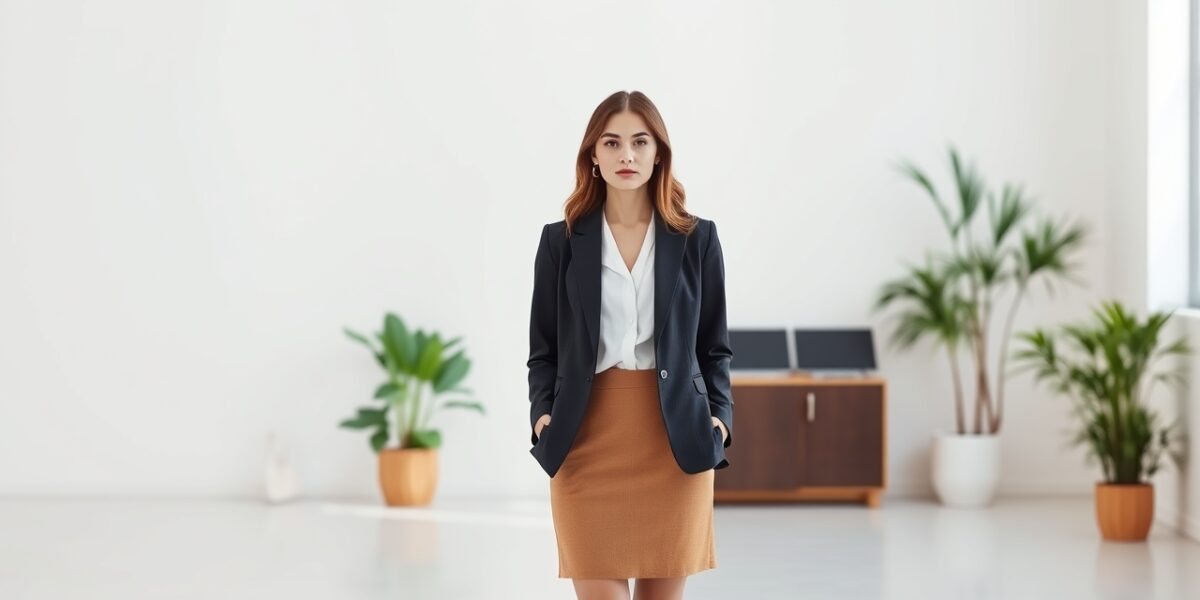
Job interview outfit ideas for women can make a powerful first impression, setting the tone for how you’ll be perceived. In this guide, I walk you through everything from color choices to final touches, ensuring you feel confident and professional when you step into the interview room.
1. Understand the Industry and Company Culture
Before you even pick out a dress or suit, research the company’s vibe. A tech startup in a co‑working space often leans toward business casual, while a law firm will expect a more traditional look. Look at the company’s dress code on their careers page or ask the recruiter for guidance. If you’re applying to a creative agency, a slightly more relaxed outfit can work, but always keep it polished.
Practical Steps
- Visit the company’s LinkedIn page and view employee photos.
- Read recent news articles or blog posts that mention office culture.
- Ask a current employee or recruiter about the expected dress code.
2. Choose the Right Color Palette
Neutral tones—black, navy, charcoal, and gray—are the safest bets. They convey confidence without distraction. If you want a subtle pop, add a muted jewel tone like deep green or burgundy in a blouse or accessory. Avoid overly bright colors that can feel aggressive. For a creative role, a soft pastel can show personality while staying professional.


Color Pairing Examples
- Charcoal suit + pale blue blouse + taupe shoes.
- Navy blazer + white tee + black tailored trousers.
- Gray pencil skirt + blush pink top + nude pumps.
3. Select Fabrics That Move Well
Opt for structured fabrics like wool blends, tweed, or a high‑quality cotton. These materials hold shape and resist wrinkles. Avoid clingy polyester or fabrics that wrinkle easily unless you’re certain you’ll have time to touch them up. A lightweight cashmere knit can add warmth without bulk.
Fabric Checklist
- Wool or wool-blend for blazers and trousers.
- Silk or satin for blouses (avoid heavy prints).
- Structured cotton or poplin for shirts.
- Soft cashmere or merino wool for sweaters.
4. Fit Is Everything
In an interview, the fit of your clothing speaks louder than the brand. A well‑fitted outfit shows you care about detail.
Key Fit Guidelines
- Blazers: Should hug the shoulders, taper at the waist, and end at the hip or just below.
- Trousers: Flat front, straight leg, hem at the top of the shoe.
- Skirts: Knee‑length or slightly below, A‑line or pencil.
- Dresses: Sheath or wrap style, knee to mid‑calf.
- Layering: Keep layers slim to avoid bulk.
5. Classic vs. Modern Styling
Classic looks—think a charcoal suit with a crisp white shirt—are timeless. Modern twists include a subtle pattern on the blazer or a blazer with a slightly oversized silhouette. Mixing a classic blazer with a contemporary blouse can strike the right balance.
Styling Ideas
- Classic: Black blazer + white button‑down + black pencil skirt.
- Modern: Navy blazer with a subtle herringbone pattern + silk blouse with a bow tie detail.
- Hybrid: Tweed blazer + pastel blouse + tailored trousers.
6. Accessorizing Without Overdoing
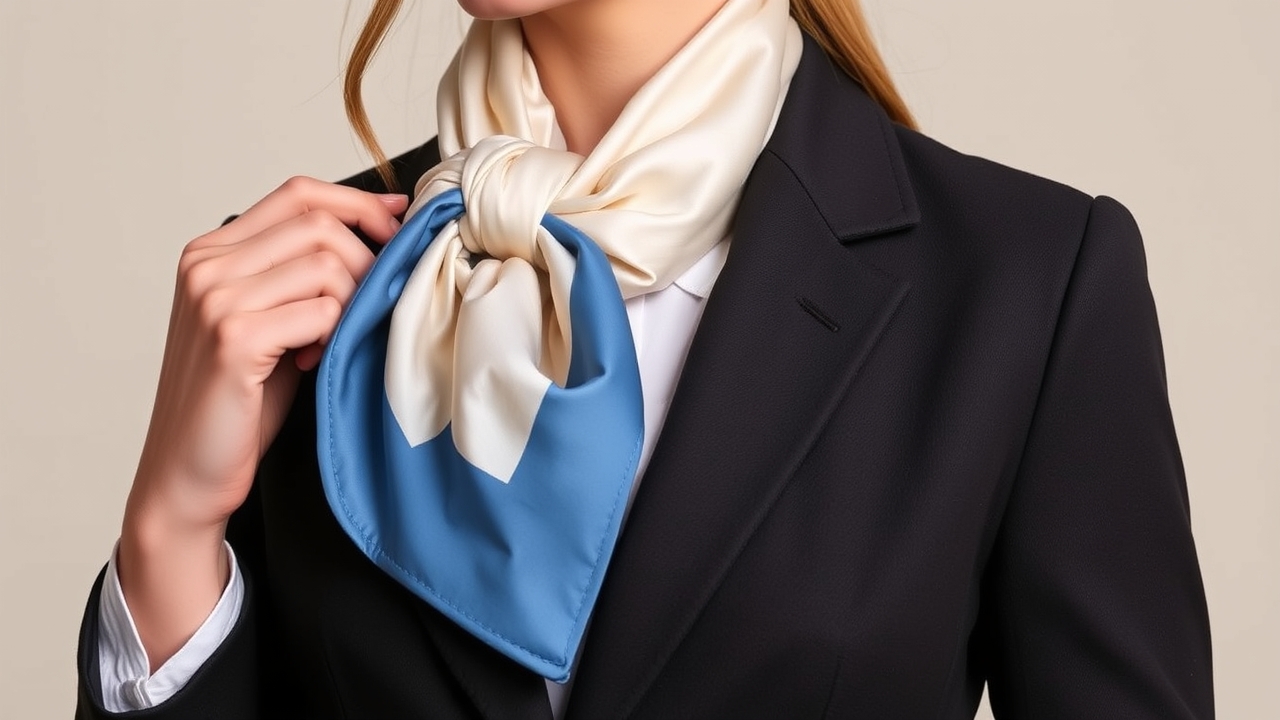
A simple pearl or stud earring, a slim leather watch, and a structured tote are enough. Avoid chunky jewelry, excessive perfume, or loud scarves. Let the outfit speak for itself.
Accessory Dos & Don’ts
- Do: Minimalist watch, small stud earrings, silk scarf in a subtle color.
- Don’t: Large statement necklaces, bright hair accessories, heavy perfume.
7. Choosing the Right Shoes
Closed‑toe shoes in a neutral shade are safest. If the culture leans business casual, low‑heeled loafers or ballet flats are acceptable. Dress sandals are only appropriate in very relaxed, hot climates.
Footwear Options
- Neutral pumps (black or nude) with a 2‑3″ heel.
- Loafers or brogues in leather or suede.
- Low‑heel ballet flats for a subtle lift.
- Dress sandals only if explicitly allowed.
8. Hair, Makeup, and Grooming
Keep hair neat and styled simply—think a low bun or a sleek ponytail. Makeup should enhance natural features, not overpower. A subtle eyeliner and a neutral lipstick finish keep the look professional. Nail polish in a neutral tone or natural is best.
Grooming Checklist
- Hair: Clean, styled, no heavy product buildup.
- Makeup: Light foundation, soft eyeshadow, neutral lip.
- Nails: Trimmed, clean, neutral polish.
- Fragrance: Light, non‑overpowering spray.
9. Final Checklist Before You Leave
- Check for wrinkles or missing buttons.
- Make sure shoes are polished.
- Carry a small, clean tote or briefcase.
- Have a copy of your résumé and a notebook.
- Take a deep breath and smile.
10. Common Mistakes to Avoid
- Choosing a too‑tight or too‑loose fit.
- Over‑accessorizing or wearing strong fragrances.
- Wearing bright or neon colors that draw attention.
- Neglecting to match shoes with the outfit.
- Leaving the company’s dress code unknown and guessing.
11. Upgrade Your Wardrobe with These Smart Pieces
Invest in a high‑quality blazer, a classic pencil skirt, and a neutral dress shirt. These staples can be mixed and matched for multiple interview scenarios. Pair them with a versatile pencil skirt or tailored trousers for a fresh look each time.
Wardrobe Staples to Consider
- Tailored navy blazer.
- Charcoal pencil skirt.
- White button‑down shirt.
- Silk blouse in a muted color.
- Black or nude pumps.
12. Confidence Is the Best Accessory
When you feel comfortable in what you’re wearing, it shows in your posture and conversation. Practice standing tall, making eye contact, and speaking clearly. Your outfit sets the stage, but your confidence completes the performance.
13. FAQ
- Job interview outfit ideas for women: What is the most important element?
- The fit of your clothing is paramount; a well‑fitted outfit always looks polished, regardless of color or style.
- What accessories should I avoid during an interview?
- Heavy jewelry, bright scarves, and strong perfumes can distract; keep accessories minimal and tasteful.
- Is a blazer mandatory for a business casual interview?
- No, but a tailored blazer adds structure and signals professionalism; if you choose not to wear one, ensure the rest of the outfit is equally polished.
- How can I personalize my interview look without being too flashy?
- Choose a subtle accent—like a muted tie, a patterned pocket square, or a unique watch—to add personality while staying understated.
- Should I bring a portfolio or extra résumé copies?
- Yes; bring a clean tote or briefcase with your résumé, a notepad, and any requested documents. It shows preparedness.
- How do I know if my outfit is too formal or too casual?
- Ask yourself: Does the outfit look like something you’d wear to a formal business meeting? If it’s too relaxed, add a blazer or structured jacket; if it’s too stiff, consider a more relaxed blouse or a lighter fabric.
- Can I wear a statement necklace in a corporate setting?
- A subtle, low‑profile necklace can add a touch of personality, but avoid large, dangling pieces that draw attention.
- What if I’m applying for a creative role in a tech company?
- You can introduce a muted pattern or a splash of color in a blouse or scarf, but keep the base of the outfit neutral and structured.
- Should I bring my phone to the interview?
- Only if the interviewer specifically asks for it. Otherwise, leave it in your bag to avoid distractions.
- What is the best way to store my interview outfit to keep it wrinkle‑free?
- Use a garment bag, hang the outfit on a sturdy hanger, and consider a travel steamer or wrinkle‑release spray before heading out.
Remember, the right job interview outfit ideas for women are about balance—professionalism paired with subtle personal style. With these guidelines, you’ll step into your interview feeling prepared, polished, and ready to impress. For more style inspiration, explore our full guide at Fashion Valet.
Leave a Reply