Introduction
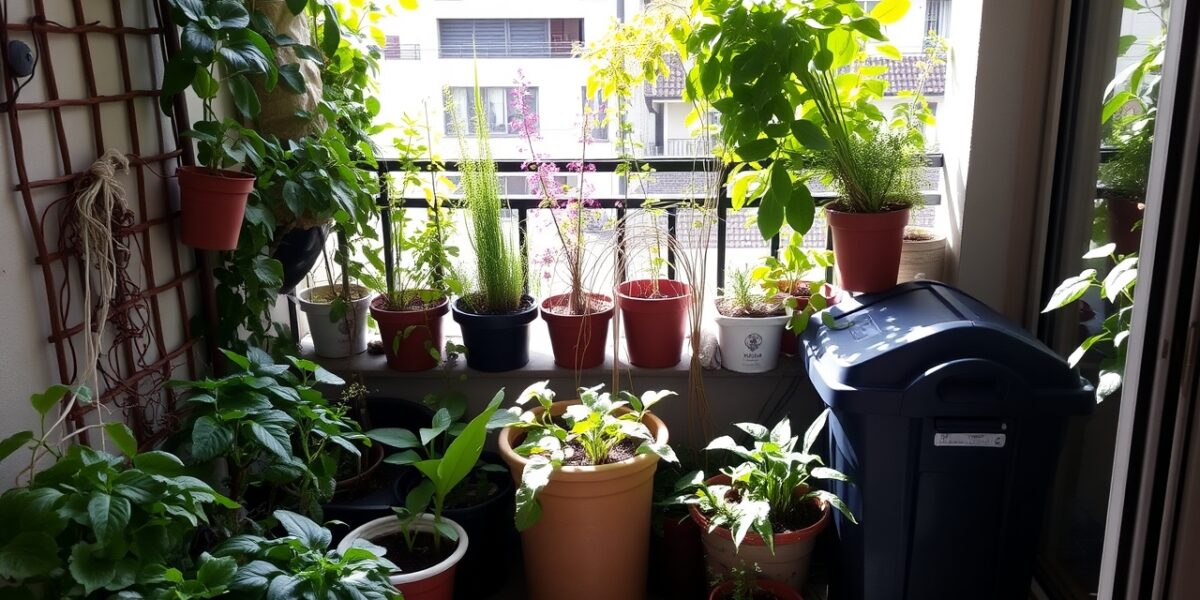
Sustainable urban gardening has surged in popularity as city dwellers seek greener, healthier lifestyles while minimizing their ecological footprints. Whether you have a sprawling rooftop, a modest balcony, or a sunny windowsill, you can cultivate a thriving garden that supports local biodiversity, reduces food miles, and offers fresh produce right at your doorstep. This guide walks you through every step—from planning and soil preparation to watering, pest control, and seasonal care—so you can build a resilient, low‑impact garden that blooms year after year.
Why Sustainable Urban Gardening Matters
Urban environments often lack green space, leading to heat islands, poor air quality, and limited access to fresh foods. Sustainable urban gardening addresses these challenges by:
- Cooling city air through evapotranspiration.
- Filtering pollutants and producing oxygen.
- Reducing food waste by harvesting what you need.
- Building community through shared gardens.
Moreover, sustainable practices—such as composting, rainwater harvesting, and native plant selection—help conserve resources, lower maintenance costs, and create habitats for pollinators.



Planning Your Space
Before you buy pots or seeds, assess your available area. Consider light exposure, wind, and the weight your balcony or roof can support. A well‑planned layout maximizes space and ensures plants thrive.
Assessing Light
Most vegetables need 6–8 hours of direct sun. Herbs and leafy greens can tolerate partial shade. Use a simple sun chart: mark the times of day when each spot receives light, and match plant needs accordingly.
Choosing Containers
Repurpose containers—old buckets, tin cans, or wooden crates—to reduce waste. Ensure they have drainage holes and use lightweight materials for rooftops. For deeper root systems, choose larger pots; for herbs, smaller containers work well.
Vertical Gardening
Vertical systems—trellises, wall planters, and hanging baskets—double your growing area without expanding your footprint. They also improve airflow, reducing fungal diseases.
Soil and Compost
Quality soil is the foundation of any garden. In urban settings, you often need to build your own mix and manage organic waste.
Soil Mix
A balanced potting mix contains:
- 50% peat or coconut coir for moisture retention.
- 25% perlite or pumice for aeration.
- 25% compost or worm castings for nutrients.
For heavy‑rooted plants, add a layer of coarse sand or broken terracotta at the bottom.
Composting in Small Spaces
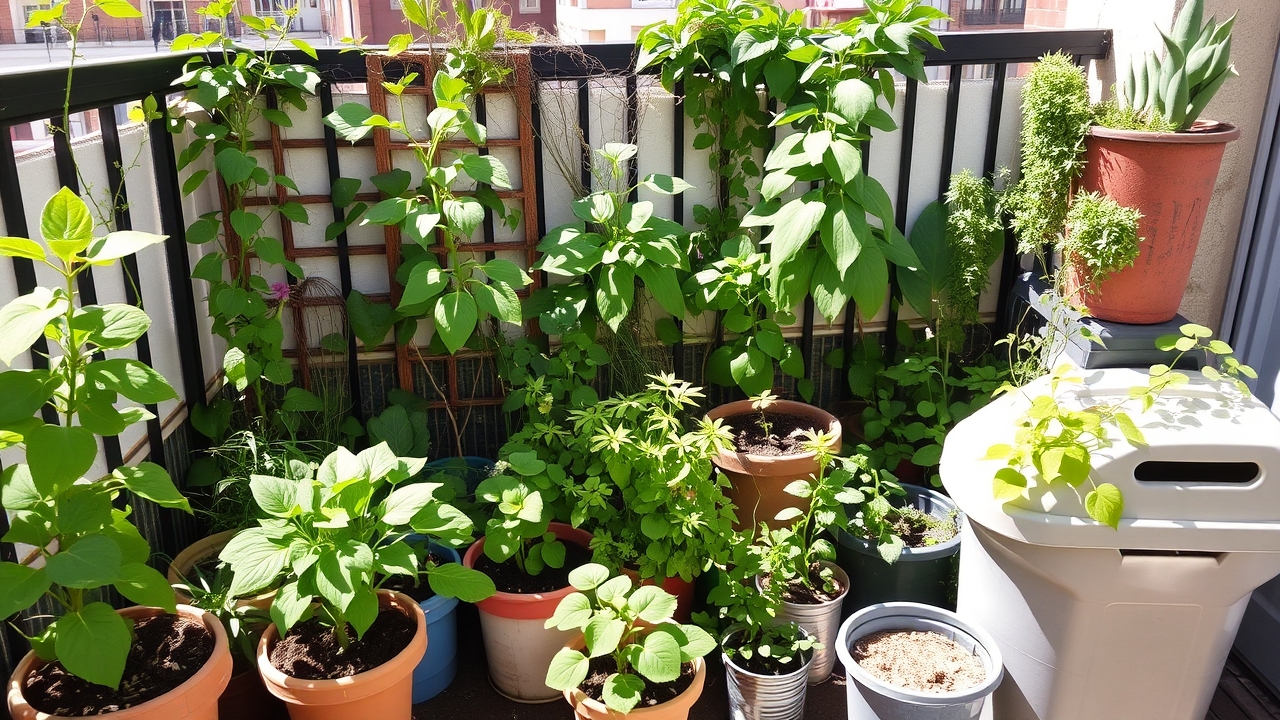
Urban composting If you have a balcony, a worm bin or a small tumbler works well. Keep organic scraps—fruit peels, coffee grounds, and vegetable scraps—in a sealed container to avoid odors. After a few weeks, you’ll have nutrient‑rich compost to enrich your potting mix.
Plant Selection
Choosing the right plants is crucial for a sustainable garden. Focus on varieties that thrive in containers, are low‑maintenance, and provide ecological benefits.
Herbs
Herbs like basil, mint, reduce the need for store‑bought spices. They also attract pollinators and can be harvested continuously.
Vegetables
Compact varieties—such as cherry tomatoes, dwarf peppers, and mini lettuce—excel in pots. Root crops like carrots and radishes need deeper containers but can be grown in raised beds on rooftops.
Flowers
Bright flowers—marigolds, nasturtiums, and calendula—provide visual appeal and deter pests. They also serve as nectar sources for bees.
Native Plants
Native species adapt to local climate, require less water, and support local wildlife. Incorporate them into your balcony or rooftop to create a mini‑ecosystem.
Water Management
Water is a precious resource, especially in cities where supply can be limited. Implementing efficient watering practices reduces waste and keeps plants healthy.
Rainwater Harvesting
Install a rain barrel or a simple gutter system to collect rainwater. Filter the water before use, and store it in a covered container to prevent algae growth.
Drip Irrigation
Drip lines deliver water directly to the root zone, minimizing evaporation. Add a timer to automate watering, ensuring plants receive consistent moisture without over‑watering.
Mulching
Organic mulch—such as straw, shredded leaves, or bark—retains moisture, suppresses weeds, and adds nutrients as it decomposes. Apply a 2–3 inch layer around plants.
Pest Management
Keeping pests at bay naturally reduces the need for chemicals. Adopt integrated pest management (IPM) strategies that combine prevention, monitoring, and biological controls.
Natural Predators
Encourage ladybugs, lacewings, and predatory mites by planting companion species like dill, fennel, and marigold. These insects prey on common garden pests.
Companion Planting
Pair plants that benefit each other. For example, basil deters tomato pests, while beans fix nitrogen for neighboring vegetables.
Homemade Sprays
Make a simple neem oil spray or a garlic‑pepper solution to deter aphids and mites. Mix 1 tablespoon of neem oil with 1 liter of water and a few drops of dish soap. Spray lightly on affected leaves.
Seasonal Care
Urban gardens experience distinct seasonal shifts. Adjust your care routine to match each period.
Spring
Repot seedlings, add fresh compost, and start a rain barrel. Check for frost protection if you live in cooler climates.
Summer
Water early in the morning to reduce evaporation. Use shade cloths during heatwaves and mulch to keep soil cool.
Fall
Harvest late‑season crops, prune dead foliage, and prepare containers for winter by adding a layer of mulch.
Winter
For rooftop gardens, insulate pots with straw or bubble wrap. In colder climates, move potted plants indoors or into a greenhouse. Keep compost bins sealed to prevent freezing.
Community and Sharing
Urban gardening thrives on collaboration. Join local garden clubs, share surplus produce, and host workshops.
Local Networks
Use online forums or neighborhood apps to connect with fellow gardeners. Exchange tips, seeds, and compost.
Food Sharing
Participate in food‑sharing initiatives—such as community pantries or seed swaps—to reduce waste and strengthen community bonds.
Conclusion
By integrating thoughtful planning, resource‑efficient practices, and community engagement, you can cultivate a sustainable urban garden that not only nourishes you but also revitalizes your city environment. Start small, stay consistent, and watch your green oasis flourish year after year.
For further reading, see related references on Wikipedia.
Leave a Reply