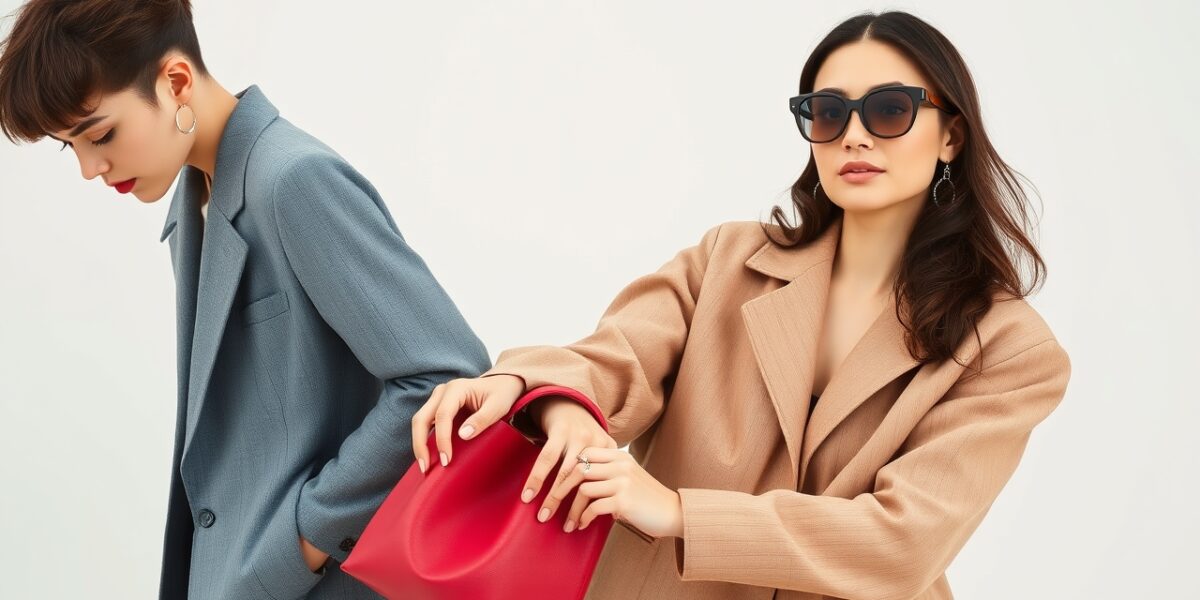
Neutral capsule wardrobe color palettes are more than a trend; they’re a strategic framework that turns a cluttered closet into a curated, confidence‑boosting wardrobe. By focusing on a small set of complementary hues—beige, ivory, taupe, soft gray, muted olive, and occasional cool charcoal—you create a foundation that pairs effortlessly, reduces decision fatigue, and ensures you always look polished.

Why a neutral capsule wardrobe color palette works
When you limit your palette to neutrals, you create a visual system that your brain can navigate quickly. The less visual noise, the less mental energy required to decide what to wear. This simplicity translates into more confidence, less wasted time, and a wardrobe that feels like a personal brand rather than a random assortment of clothes.
Neutral wardrobe: The core of every capsule
- Neutral wardrobe staples: a tailored blazer, a classic trench, a simple shift dress.
- Textures add interest: linen, tweed, fine cotton, and lightweight wool.
- Layering becomes a game of contrast rather than color clash.
Building your capsule color palette step by step
Start with the base: a neutral beige or off‑white shirt. Then add a mid‑tone gray sweater, a deep taupe coat, and a muted olive trench. Finish with a soft ivory blouse and a charcoal blazer. Each piece should be interchangeable, creating dozens of looks from a handful of items.


Capsule color palette: Adding subtle pops without breaking the theme
- Introduce a single accent color in accessories—perhaps a mustard scarf or a rust‑colored handbag.
- Use metallics sparingly: a brushed gold belt or a silver brooch can lift the look.
- Seasonal variations: swap the beige shirt for a cream tee in winter, or a light gray blouse in summer.
How to choose the right neutrals for your skin tone
Neutral palettes are not one‑size‑fits‑all. Warm undertones gravitate toward creamy beige, camel, and soft taupe. Cool undertones shine in light gray, charcoal, and cool beige. A quick test: hold a white paper next to your face; if your skin looks pinkish, you’re likely cool; if it appears yellow, you’re warm.
Beige wardrobe: The golden middle ground
Beige is the most adaptable neutral. It sits comfortably between warm and cool tones, making it an excellent bridge for mixed‑undertone wardrobes. Pair a beige trench with a charcoal blazer for a balanced look, or layer a beige sweater over a soft gray dress for a subtle contrast.
Mixing textures for depth
Neutral colors can feel flat if you rely solely on smooth fabrics. Introduce texture through:
- Wool blends for winter.
- Linen for breathable summer.
- Tweed for a classic, tactile feel.
- Silk scarves for a touch of luxury.
Practical tips for maintaining a neutral capsule wardrobe
- Invest in high‑quality basics that resist wear and fading.
- Use a dedicated storage system; a simple drawer or shelf keeps items accessible.
- Rotate pieces seasonally to keep the wardrobe fresh.
- Clean and repair items promptly; a well‑maintained capsule lasts longer.
How to accessorize without breaking the palette
Accessories can elevate a neutral look without adding distracting color. Choose:
- Gold or silver jewelry for subtle shine.
- Leather belts in dark brown or charcoal.
- Neutral‑tone handbags—olive, taupe, or cream.
- Scarves in muted patterns that incorporate the palette.
Using a neutral capsule wardrobe color palette for special occasions
Even at formal events, neutrals can command attention. Pair a charcoal tuxedo with a crisp white shirt and a muted gray vest. Add a pocket square in a gentle mustard or a small, tasteful brooch to keep the look polished yet personal.
The psychology behind neutral palettes
Neutrals are inherently calming and non‑intrusive. They signal professionalism, reliability, and understated confidence—qualities that resonate in both office and social settings. Psychologically, a neutral wardrobe reduces the cognitive load associated with color selection, freeing mental bandwidth for other priorities.
Seasonal adaptation: A year‑long blueprint
While the core neutrals stay constant, their weight and fabric shift with the seasons. Below is a quick guide:
- Spring/Summer: Light cotton, linen, and silk. Focus on breathable fabrics in off‑white, pale gray, and soft taupe.
- Fall/Winter: Wool, tweed, and heavy cotton. Incorporate charcoal, deep taupe, and muted olive.
- Layering: In cooler months, layer a gray turtleneck under a charcoal blazer, and finish with a beige trench.
Shopping smart: Where and how to buy neutrals
1. Quality over quantity. A single, well‑made charcoal blazer can replace five cheaper alternatives.
2. Check the fabric tag. Natural fibers like wool, cotton, and linen hold color better than synthetics.
3. Look for versatile cuts. A straight‑leg trouser in taupe will pair with a gray blouse or a beige sweater.
4. Shop off‑season sales. Winter neutrals are often discounted in spring, and vice versa.
Styling for every setting
Workday essentials
- A charcoal blazer over a soft gray blouse.
- Pair with a beige pencil skirt or black trousers.
- Finish with a taupe leather tote.
Weekend casual
- Light gray t‑shirt tucked into a beige high‑waisted skirt.
- Add a linen jacket in muted olive.
- Complete with white sneakers.
Evening events
- Charcoal jumpsuit with a subtle metallic belt.
- Pair with nude pumps and a cream clutch.
Sustainability: Neutrals for a greener wardrobe
Neutral fabrics tend to be more durable and easier to care for. Wool and linen are biodegradable, and many neutral colors are achieved without harsh dyes. By investing in timeless neutrals, you reduce the frequency of purchases, lower waste, and support a more sustainable fashion cycle.
Wardrobe management: Apps, tools, and systems
Digital tools can help you keep track of what you own, what you’ve worn, and what needs restocking:
- Cladwell: Suggests outfits based on your existing pieces.
- Stylebook: Lets you upload photos and create virtual outfits.
- Wardrobe Planner: Helps you map out seasonal rotations.
Physical systems—like a dedicated drawer for tops, a hanging rod for jackets, and a shelf for shoes—ensure you can see every item at a glance.
Avoiding common pitfalls
- Don’t skimp on quality. Cheap neutrals fade and lose shape quickly.
- Mix too many neutrals. A palette that leans heavily toward gray can feel monotonous; introduce subtle warm or cool tones.
- Ignore fit. Neutrals look best when the cut flatters your body shape.
- Overlook seasonal fabrics. Wearing heavy wool in summer can be uncomfortable.
FAQ
neutral capsule wardrobe color palette: How many pieces should I start with?
Begin with 15–20 essential items: a mix of tops, bottoms, outerwear, and shoes. Aim for 3–4 pieces per category, ensuring each item can cross‑dress with the others. For example, a charcoal blazer can pair with a white blouse, a gray sweater, or a beige dress.
How to keep my neutral wardrobe from feeling monotonous?
Introduce subtle variations: different cuts, fabric weights, and slight color shifts. Think of a light gray sweater versus a charcoal one, or a beige blouse with a slight sheen versus a matte cotton tee. Layering and accessorizing with textures also add depth.
Can I incorporate trends into a neutral capsule wardrobe color palette?
Absolutely. Trends often manifest in silhouettes or textures. A structured blazer or a high‑waisted trouser can be neutral, while a trendy metallic belt or a patterned scarf can add contemporary flair without breaking the palette.
What’s the best way to organize my neutral capsule wardrobe?
Use a simple system: drawer for tops, shelf for bottoms, hanging rod for jackets. Keep everything visible and accessible; rotate items seasonally to prevent overuse. A small, dedicated storage bin for accessories keeps them tidy.
How do I ensure my neutral pieces stay fresh over time?
Follow care labels, store in breathable bags, and repair small tears promptly. A well‑maintained capsule feels new for years, saving both money and time. Consider professional dry cleaning for wool items and spot‑cleaning for cotton to extend lifespan.
For deeper insight into the concept of a capsule wardrobe, you can read the comprehensive overview on Wikipedia. Explore more styling tips on FashionValet.net to keep your wardrobe evolving with confidence.
Leave a Reply