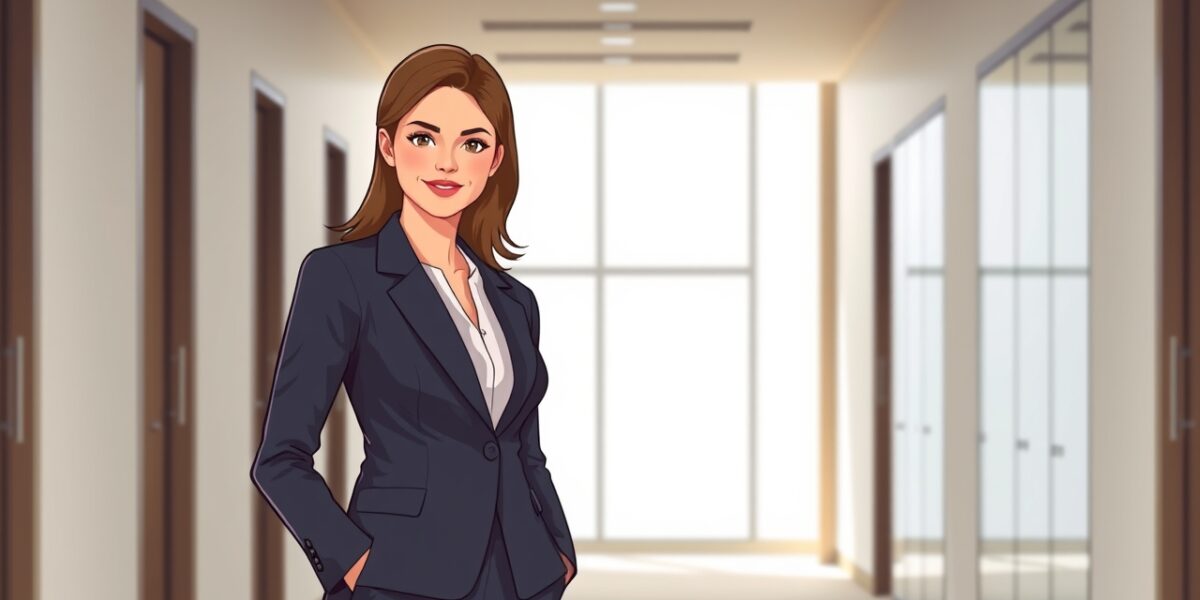
Blazer outfit ideas for work are a staple in any professional wardrobe, offering a blend of structure and subtle flair that can elevate even the most routine office attire. Whether you’re heading into a client meeting, a team briefing, or a casual Friday, a well‑chosen blazer can transform a simple dress or trousers into a statement of confidence.
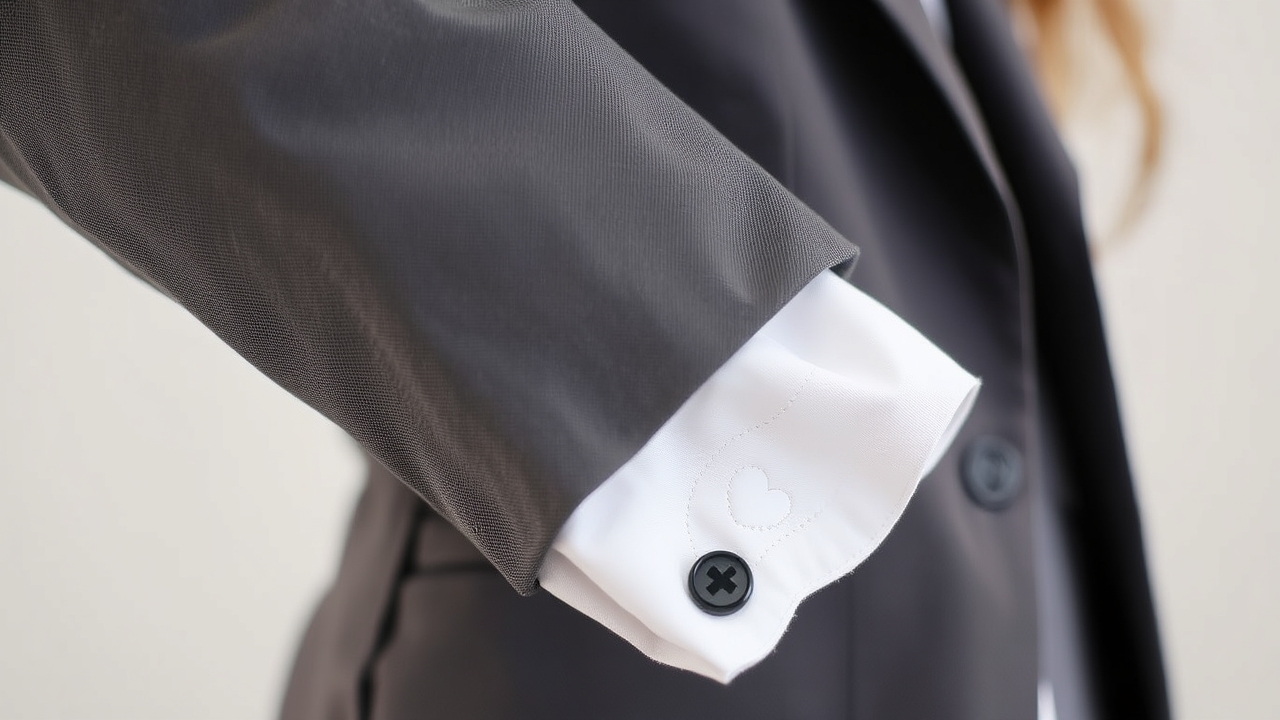
Blazer Outfit Ideas for Work: A Quick Overview
At its core, a blazer is a versatile layer that bridges formal and casual. When you consider blazer outfit ideas for work, the first decision is the blazer itself: fit, fabric, color, and detail. A tailored fit that cinches at the waist or a slightly relaxed cut that drapes comfortably can signal different tones of professionalism. The fabric—wool blends for winter, lightweight cotton or linen for summer—helps you stay comfortable while maintaining a polished silhouette.
Choosing the Right Blazer Fabric
Blazer outfits women often start with fabric. Wool or wool‑blend blazers provide structure and warmth, making them ideal for cooler months. For spring and summer, a breathable cotton or linen blend keeps you cool without sacrificing shape. Technical fabrics with moisture‑wicking properties are also emerging, offering both performance and style for those who move between indoor and outdoor settings.


Color and Pattern Play: Office Blazer Style
Color is a powerful cue. Classic navy, charcoal, and black are safe choices that work across industries. However, don’t shy away from muted pastels or subtle herringbone patterns; they add texture without overwhelming the outfit. When you explore office blazer style, consider complementary hues that echo your shirt or blouse, creating a cohesive look that feels intentional.
Layering Basics
Layering is where many of the best blazer outfit ideas for work reveal their versatility. Pair a crisp white blouse under a navy blazer for a timeless look, or layer a lightweight turtleneck beneath a linen blazer for a relaxed yet refined feel. For a touch of edge, add a sleek leather or faux‑leather jacket over the blazer—just be sure the jacket’s silhouette doesn’t compete with the blazer’s lines.
Accessorizing for Impact
Accessories can amplify or dial back the intensity of your blazer look. A silk scarf in a complementary color adds a pop of interest; a structured tote or satchel keeps the look functional yet chic. Jewelry should be minimal—stud earrings or a delicate necklace often suffice. When you choose your accessories, think about the message you want to send: polished, approachable, or bold.
Footwear and Bag Pairings
Footwear anchors the outfit. Classic pumps, loafers, or low‑block heels work well with a blazer. For a more casual vibe, clean white sneakers or ankle boots can be paired with a relaxed blazer cut. The bag should be proportionate: a medium‑sized leather tote for documents and a small clutch for essentials. These choices keep the ensemble balanced and functional.
Seasonal Adjustments
Season matters. In winter, opt for heavier fabrics and add a wool scarf or a knitted beanie for warmth. Summer calls for breathable fabrics and lighter colors; a linen blazer with a pastel blouse can keep you cool. Layering with a lightweight cardigan or a denim jacket can also bridge the gap between seasons.
Dress Codes and Formal Settings
When you choose a blazer outfit ideas for work, think about the occasion. For formal settings, a full‑sleeve wool blazer with a crisp dress shirt or blouse is safest. In more creative environments, a blazer with a subtle pattern or a relaxed fit can convey confidence without rigidity. Always consider the company culture before finalizing your look.
Common Mistakes to Avoid
- Over‑tailoring: A blazer that is too tight can feel restrictive.
- Clashing patterns: Mixing too many patterns can create visual noise.
- Neglecting fit: Even the most expensive blazer looks off if it doesn’t fit.
- Ignoring accessories: Over‑accessorizing can dilute the blazer’s impact.
Styling Tips for Different Body Types
Every body type can benefit from a blazer. For pear‑shaped figures, a single‑line blazer that elongates the torso works well. Hourglass shapes adot a blazer that cinches at the waist to highlight curves. Tall frames can opt for longer blazers that maintain proportion. When you adjust the blazer’s length and fit, the result is a flattering silhouette that feels natural.
Putting It All Together: Quick Lookbooks
Here are three practical lookbooks to inspire you:
- Classic Corporate: Navy blazer, white button‑down, charcoal trousers, black pumps. Add a silver watch for a subtle detail.
- Creative Casual: Light‑blue linen blazer, pastel blouse, high‑waisted jeans, white sneakers. Finish with a canvas tote.
- Weekend Office: Charcoal tweed blazer, black turtleneck, sleek pencil skirt, ankle boots. Layer with a leather crossbody bag.
In short, blazer outfit ideas for work are about balance, fit, and thoughtful layering. By paying attention to fabric, color, accessories, and the occasion, you can create looks that feel both polished and personal.
Sustainable Blazer Options
In a world where sustainability is increasingly important, choosing a blazer made from eco‑friendly materials can reduce your wardrobe’s environmental footprint. Look for blazers crafted from organic cotton, Tencel, or recycled polyester. These fibers are grown with fewer chemicals, use less water, and often come from post‑consumer waste. Brands that prioritize ethical manufacturing also offer transparent supply chains, ensuring that labor practices meet fair‑trade standards.
When shopping sustainably, consider the blazer’s durability. A well‑made piece that lasts for years will outlast many fast‑fashion alternatives. Look for reinforced seams, high‑quality buttons, and a lining that can be removed or replaced if needed. A blazer that can be updated with new collars or lapels is also a smart investment.
Mixing Textures for a Layered Look
Texture can add depth to a blazer outfit without the need for bold patterns. Pair a smooth wool blazer with a ribbed cashmere turtleneck, or combine a tweed blazer with a silk blouse. The contrast between matte and glossy fabrics can create visual interest while keeping the look professional.
When mixing textures, keep the overall silhouette in mind. A structured blazer pairs well with a relaxed knit, whereas a slim blazer can be balanced with a tailored wool jacket. The key is to let one texture be the focal point and let the other support it subtly.
How to Tailor Your Blazer for a Perfect Fit
Even the finest blazer can feel off if it doesn’t fit your body shape. Follow these steps to get a blazer that looks custom‑made:
- Measure the Chest and Waist: Wrap a tape measure around the fullest part of your chest and the narrowest part of your waist. Record the numbers in inches.
- Check the Shoulder Width: The seam of the blazer should align with the edge of your shoulder. If it’s too wide, it will look baggy; if too narrow, it will restrict movement.
- Assess the Sleeve Length: When your arms are relaxed, the cuff should sit just above the wrist bone. A sleeve that is too long can appear sloppy.
- Try a Fitted Version: Visit a tailor with a basic blazer. Ask for adjustments in the waist, shoulders, and sleeves. A few inches can make a dramatic difference.
- Final Fit Test: Move your arms and sit down. The blazer should drape comfortably without pulling at the seams.
Transitioning from Day to Evening
Blazers are versatile enough to bridge the gap between a daytime office look and a polished evening outfit. Here’s how to tweak a blazer for a night out:
- Change the Bottoms: Swap trousers for a sleek midi skirt or a pair of tailored ankle‑length pants.
- Add Sparkle: Layer a metallic clutch or a statement necklace over a simple blouse.
- Footwear Upgrade: Replace flats or low heels with stiletto pumps or heeled ankle boots.
- Accessorize Boldly: A chunky cuff bracelet or a bold brooch can elevate the blazer’s daytime simplicity.
- Alter the Color Palette: For evening, consider a blazer in a richer tone—deep burgundy, charcoal gray, or even a subtle metallic finish.
Step‑by‑Step Guide to Building a Blazer Outfit
Follow this practical workflow to assemble a blazer look that feels effortless:
- Choose the Blazer: Pick a fit, fabric, and color that suits the occasion.
- Select a Top: For a classic look, a crisp button‑down works best. For a relaxed vibe, try a silk blouse or a fine knit.
- Pick Bottoms: Tailored trousers, pencil skirts, or high‑waisted jeans can all work, depending on the setting.
- Add Layers: Insert a cardigan, vest, or lightweight jacket if needed.
- Accessorize: Keep jewelry minimal and choose a bag that complements the blazer’s silhouette.
- Choose Footwear: Match shoe height and style to the overall formality.
- Final Touches: Check the fit in a mirror, adjust the collar, and ensure the blazer sits correctly on your shoulders.
Accessory Layering for Different Occasions
Accessories can transform a blazer outfit from business‑formal to creative‑casual. Here’s a quick reference chart:
| Occasion | Suggested Accessories |
|---|---|
| Boardroom Meeting | Classic leather briefcase, silver watch, stud earrings |
| Creative Workshop | Canvas tote, minimalist pendant necklace, leather bracelet |
| Client Lunch | Structured handbag, silk scarf, thin belt |
| After‑Hours Dinner | Statement clutch, bold earrings, velvet blazer |
Leave a Reply