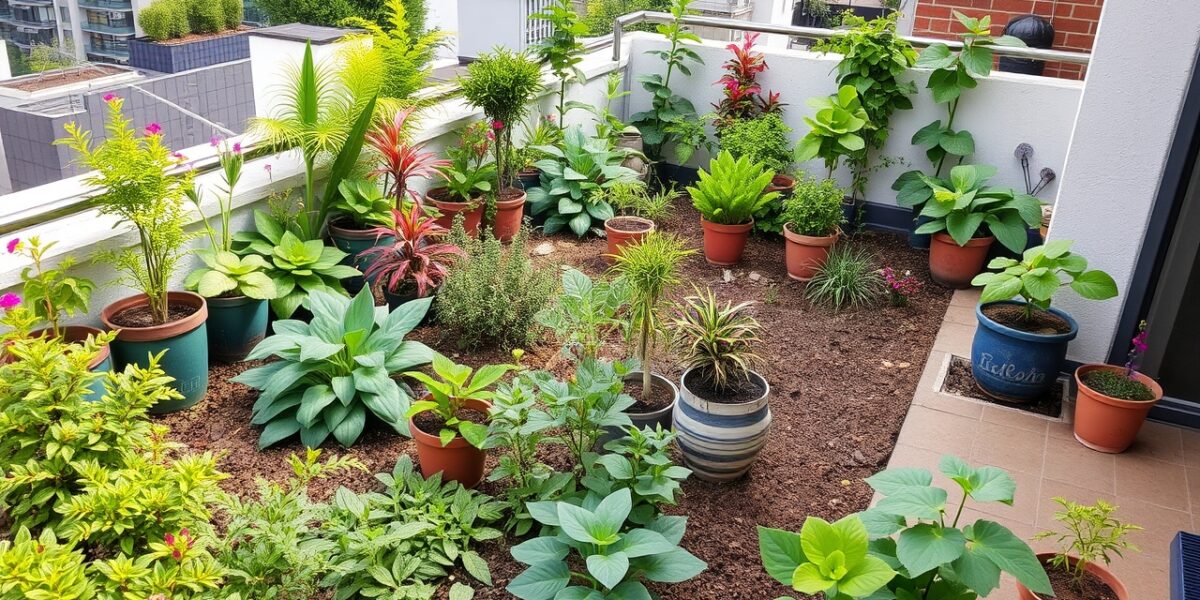
The Ultimate Guide to Sustainable Urban Gardening
In today’s fast‑paced city life, the idea of a garden can seem like a luxury reserved for sprawling suburban yards. Yet, the truth is that even the tiniest balcony, a narrow window seat, or a modest rooftop can host a thriving, eco‑friendly garden. Sustainable urban gardening not only beautifies your living space but also improves air quality, reduces the heat island effect, and provides fresh produce right at your doorstep.
Why Sustainable Urban Gardening Matters
- Environmental Impact: Urban gardens absorb CO₂, filter pollutants, and provide habitats for pollinators.
- Food Security: Growing your own herbs, vegetables, and fruit reduces dependence on store‑bought produce.
- Community Building: Shared green spaces foster social interaction and community resilience.
- Personal Well‑Being: Gardening lowers stress, boosts mood, and encourages physical activity.
Planning Your Urban Garden
Before you pick up a seed packet, take a moment to assess your space. Consider the following key factors:
- Sunlight Exposure: Most vegetables and many flowers require 6–8 hours of direct sunlight. Use a sun chart or simply observe your space at different times of day.
- Wind Protection: Rooftops and balconies are often exposed to strong winds. Use windbreaks like trellises, lattice panels, or tall plants to shield more delicate species.
- Water Availability: Check the proximity to a water source and the feasibility of installing a rain barrel or drip irrigation system.
- Accessibility: Ensure you can reach your garden easily for maintenance, especially if you have mobility concerns.
- Weight Limits: If you’re on a balcony, confirm the load capacity. Use lightweight containers or planters and avoid heavy soil.
Choosing the Right Containers
Containers are the backbone of urban gardening. Here are some popular options:



- Plastic Pots: Lightweight, inexpensive, and available in many sizes.
- Terracotta Vases: Breathable for roots but heavier; good for small plants.
- Recycled Materials: Old buckets, crates, or pallets can be repurposed into creative planters.
- Vertical Planters: Wall‑mounted trays or hanging baskets maximize space.
- Self‑watering Systems: Containers with built‑in reservoirs reduce watering frequency.
Soil and Compost: The Foundation of Healthy Plants
Urban soils are often poor or contaminated. Instead of digging into the ground, use high‑quality potting mixes or create your own compost. Here’s how:
- Potting Mix: Look for a blend that includes peat moss, perlite, and vermiculite. Avoid garden soil that may contain pathogens.
- DIY Compost: Combine kitchen scraps (vegetable peels, coffee grounds), yard waste (leaves, grass clippings), and a small amount of manure or composted worm castings.
- Compost Bin: Use a sealed bin or a worm bin (vermiculture) to speed up decomposition.
- Compost Tea: Brew a nutrient‑rich liquid from compost to use as a foliar spray or soil drench.
Water Management: Conservation and Efficiency
Water is a precious resource, especially in cities. Implement these strategies to conserve:
- Drip Irrigation: Delivers water directly to the root zone, minimizing evaporation.
- Rain Barrels: Collect stormwater from roof gutters for later use.
- Mulching: A layer of organic mulch retains moisture and suppresses weeds.
- Water‑Sensitive Plants: Choose drought‑tolerant species like succulents, herbs, or native perennials.
- Smart Sensors: Soil moisture sensors can trigger irrigation only when needed.
Plant Selection: Herbs, Vegetables, and Flowers
When choosing plants, consider your climate, space, and culinary preferences. Below are categories with specific examples:
Herbs
- Basil – thrives in full sun; perfect for sauces.
- Mint – vigorous; use in containers to prevent spreading.
- Rosemary – drought‑tolerant; adds aroma to dishes.
- Chives – grow well in partial shade; great for salads.
Vegetables
- Cherry Tomatoes – compact varieties fit in small pots.
- Leafy Greens – lettuce, spinach, arugula; fast growers.
- Peppers – choose dwarf or patio varieties.
- Radishes – quick harvest; excellent for windowsills.
Flowers
- Marigolds – deter pests and add color.
- Pansies – hardy and come in many hues.
- Petunias – great for hanging baskets.
- Lavender – attracts pollinators and provides fragrance.
Vertical and Hanging Plants
- Clematis – climbs trellises and adds vertical interest.
- String of Pearls – a succulent that thrives in hanging pots.
- English Ivy – good for shade; use in hanging baskets.
- Spider Plant – easy to care for; perfect for windowsills.
Design Principles for Small Spaces
- Layering: Combine tall, medium, and ground‑cover plants to create depth.
- Symmetry vs. Asymmetry: A symmetrical layout offers a formal feel; asymmetry feels more natural.
- Color Schemes: Use complementary colors for a vibrant look or monochromatic palettes for calmness.
- Functional Zones: Separate edible zones from ornamental ones for easier maintenance.
- Accessibility: Place frequently used plants within arm’s reach.
Maintenance Tips: Keeping Your Garden Thriving
- Regular Pruning: Remove dead or overgrown stems to encourage new growth.
- Fertilization: Use organic fertilizers like compost tea or fish emulsion; avoid over‑feeding.
- Pest Management: Introduce beneficial insects (ladybugs, lacewings) and use neem oil or soap sprays when necessary.
- Weed Control: Mulch and hand weeding prevent competition for nutrients.
- Seasonal Adjustments: Move plants indoors or add shade cloth during extreme heat.
Innovative Ideas for Maximizing Space
- Container Rotation: Rotate containers to expose all plants to sunlight evenly.
- Planter Stacking: Use stackable pots or tiered planters to create multi‑level gardens.
- Window Box Gardens: Install box extensions on windowsills for extra planting area.
- Roof Decks: Use lightweight, raised beds with a self‑watering system.
- Green Walls: Install vertical gardens with hydroponic or soil‑based systems.
Case Study: A Rooftop Garden in a High‑Rise Apartment
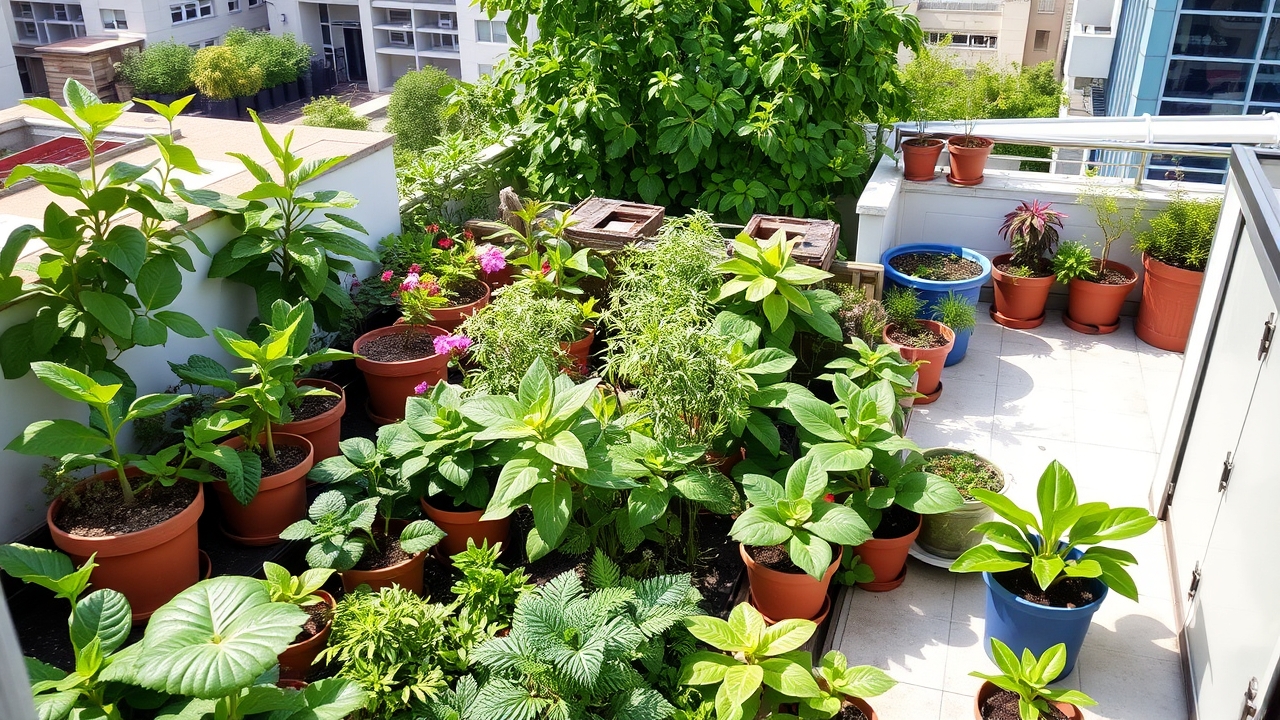
Meet Maya, a city dweller who transformed her 200‑square‑foot rooftop into a 3‑year sustainable garden. She began with a lightweight raised bed made from recycled pallets, filled with a 60/40 mix of potting soil and compost. Using a drip irrigation system fed by a rain barrel, she watered her tomatoes, basil, and marigolds with minimal effort. Over time, her garden produced enough tomatoes for a week’s meals and supplied fresh herbs for her cooking. The green roof also reduced her building’s cooling costs by 15% and provided a peaceful retreat from the city noise.
Conclusion: Your Green Future Starts Today
Urban gardening is not just a hobby; it’s a sustainable practice that benefits the planet, your health, and your community. By carefully planning your space, selecting the right plants, and adopting efficient water and soil management techniques, you can create a thriving green oasis regardless of the size of your balcony, window, or rooftop. Start small, stay consistent, and watch your garden—and your city—grow greener.
Happy planting!
For further reading, see related references on Wikipedia.
Leave a Reply